


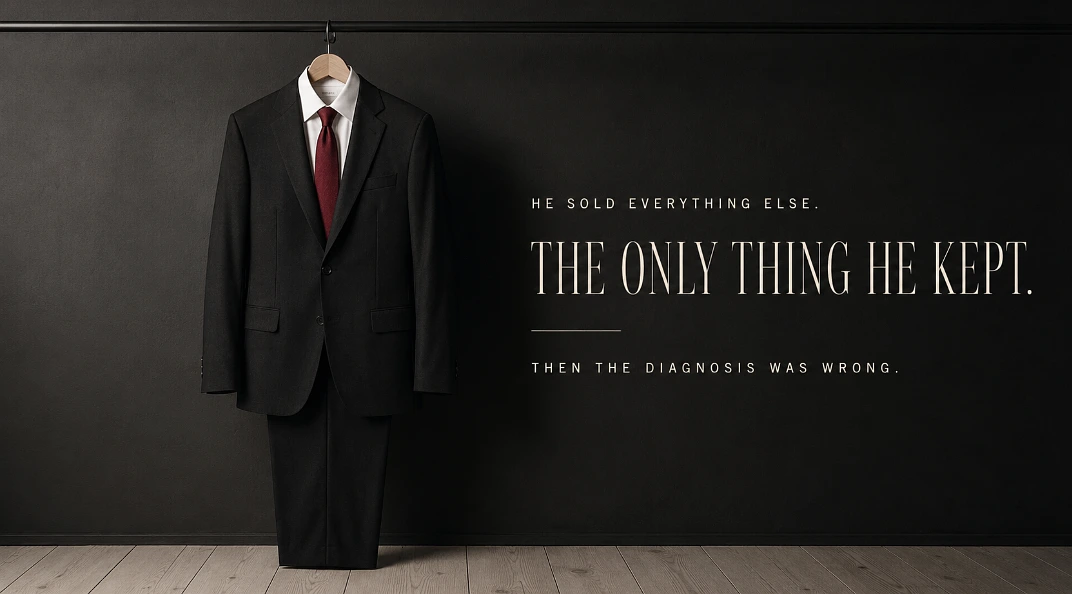
- A man from Cornwall was told he was dying. He spent all his money. Then doctors found he was fine.
- One patient got £800,000 for a wrong cancer diagnosis. That is about 25 years of a normal British salary.
- One man got months of chemotherapy for a cancer he never had. He was fine within weeks of the truth coming out.
These are three real cases. I will tell you each one in plain words, and you can decide for yourself what was fair. I will not decide for you.
The Man Who Spent Everything on Dying and Then Did Not Die
The strongest case is of Mr John Brandrick, a 62 year old from Cornwall. In 2007 he was told he had pancreatic cancer and about a year to live. He quit his job. He sold or gave away nearly everything he owned. And he stopped paying the mortgage and spent his life savings on enjoying the creation of God, that is restaurants and holidays. Keeping just the black suit, white shirt and red tie he planned to be buried in.
Then he got better. The tumour was not a tumour at all. It was a swelling of the pancreas, and it was not dangerous. So now he was healthy, but he had nothing left. He asked the hospital for compensation, because the wrong diagnosis made him spend everything. As far as public records show, we never found out if he got paid or not.
Now you tell me. The money was his own. He enjoyed spending it. But he only spent it because doctors told him he was dying. Should the hospital have paid him back? And how much? People in Cornwall argued about this in every pub, and I still cannot make my own mind up on it.
£800,000 for One Wrong Diagnosis
The second case has no name. It comes from the NHS’s own records, which were released under Freedom of Information. The biggest single payout for a wrong cancer diagnosis in one recent year was £800,000.
Think about that number for a minute. A normal payout for this kind of mistake is around £60,000 to £90,000. So this one was about ten times bigger than usual. And an average British worker would need around 25 years to earn it. One mistake by one doctor, and the payout was a full working life of money.
I do not want to make a joke of this, because it would be a cheap joke. A payout that big means lawyers and doctors agreed the patient lost something very serious. Years of life, or health, or earnings. We do not know which, and that person is real. But the number still makes you stop. And in that same year the NHS paid £12.6 million just for missed cancer cases. Over ten years, 990 people got payouts like this, worth £75.7 million in total. All of that money comes from the same pot that buys the scanners that should catch the next cancer. That part sits badly with me and I do not think there is a clever answer to it.
Months of Chemo for a Cancer That Was Not There
The third case is about a patient called David in his lawyer’s report. He had beaten cancer in 2008. Two years later his scans were read wrong. His specialist, a top Harley Street doctor, told him the cancer was back. So David went through months of chemotherapy for it.
The chemo made him very ill. In May he needed a big operation. And during all this the truth came out. There was no cancer. There never was. The real problem was an infection, and the strong cancer drugs had been fighting a disease that did not exist.
He got £200,000. And here is the line that stays in my head. Once the doctors treated the real problem, the infection, he was reported to be recovering well, literally within a few weeks. Months of poison, one operation, and the answer was there the whole time. All it needed was a normal case review meeting. The meeting never happened.
One More Case, So We Stay Honest

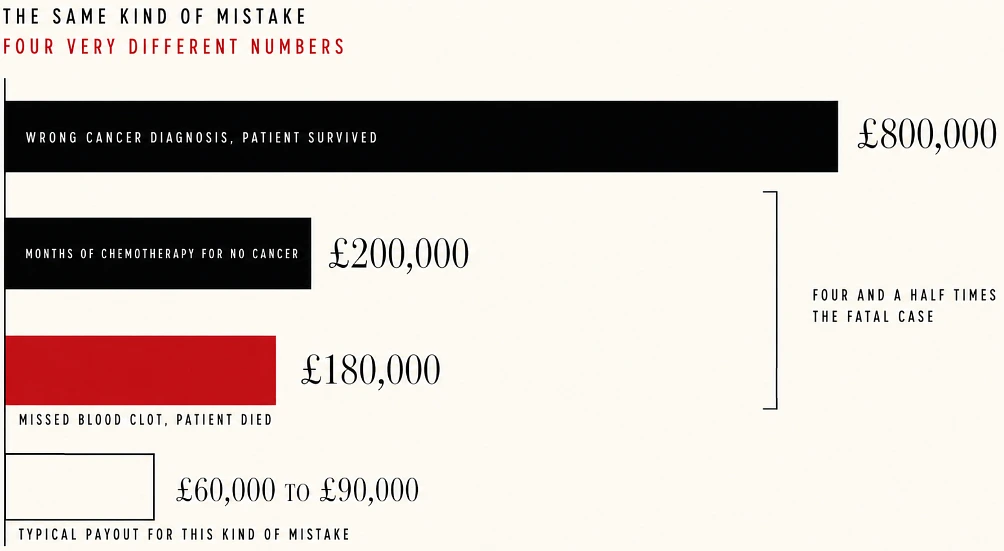
Before anyone says these payouts are too generous, read this one. Mrs Jean Graham, 77, went to a Glasgow hospital feeling very unwell. Doctors said it was a stomach bug and sent her home. Twice. It was not a stomach bug. It was a blood clot, and she died. Her partner of many years was awarded just over £180,000.
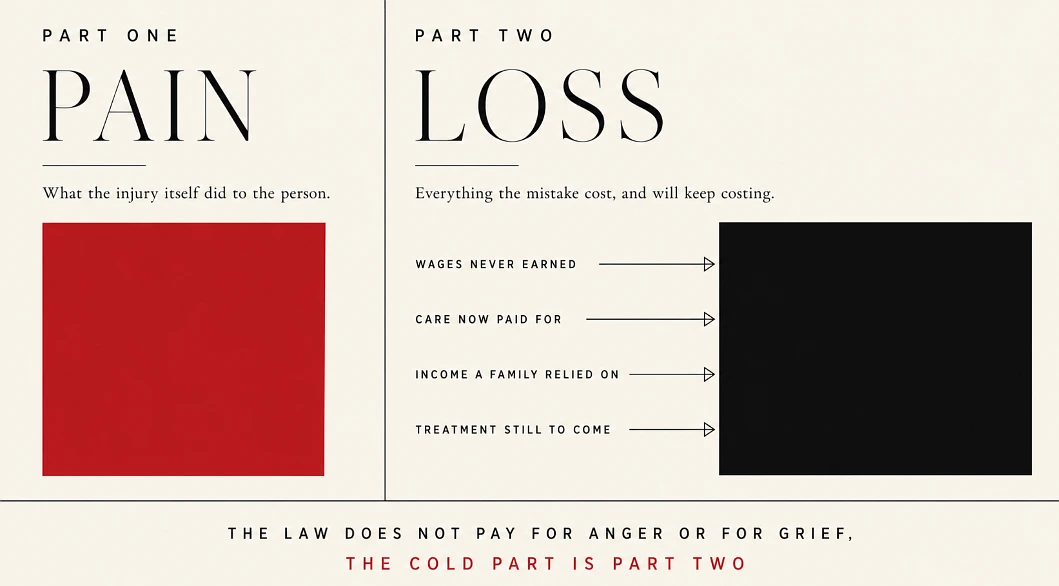
So a wrong diagnosis that a man survived was worth £800,000. And a wrong diagnosis that took a life was worth £180,000. Put those two side by side and tell me the numbers feel right. They do not feel right to me either. But there is a reason for it. The law does not pay for anger or for grief. The law pays for what the mistake cost in money terms. Lost wages. Care that must now be paid for. Money a family depended on. A quiet death of an older person costs the system less, on paper, than a younger person’s ruined working life. That is the cold truth of how it works.
If you want to see how they work these numbers out, the way NHS payouts for clinical negligence claims are calculated is written down openly. One part is for the pain itself. The other part is for everything the mistake cost and will cost in future. Read it and the strange numbers above start to make sense, even when they still feel wrong.

The NHS now pays over £3 billion a year for mistakes like these. Every case in this article could have been stopped by one careful second look at a scan or a symptom. That is the bit worth remembering. The rest you can argue about, and please do.