


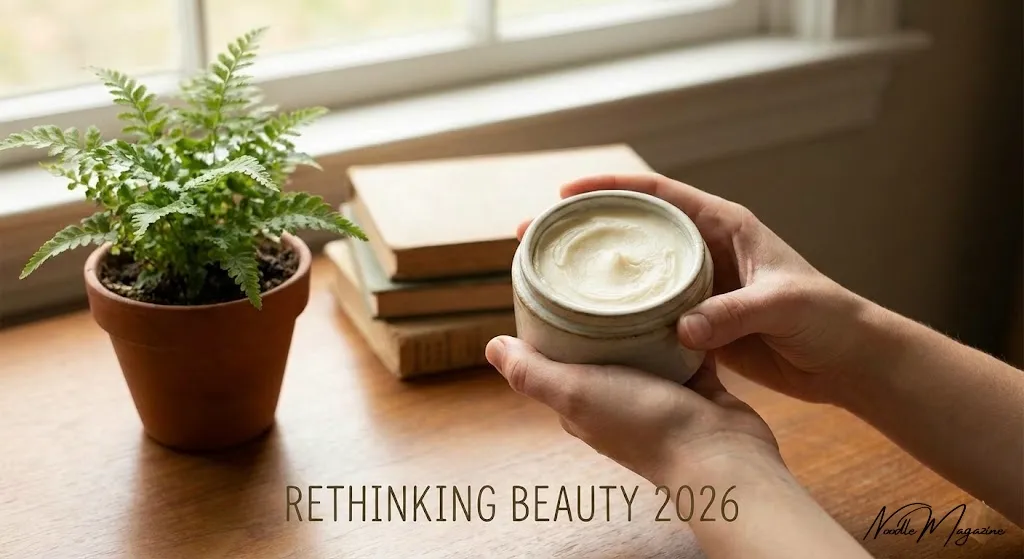
The beauty industry is entering 2026 with a clear brief: less launches, less chasing tutorials and instead focused on proven products and outcomes suited for real life.
This shift shows up in the numbers and in the messaging. The British Beauty Council reports the sector contributed £30.4 billion to UK GDP in 2024, equal to 1.1% of national GDP, with 496,000 people directly employed. A category this large rarely changes direction without a pressure point.
And the pressure points sit in plain sight. Consumers face higher costs, higher stress, and more screen time to maintain beauty standards. Routines built on constant novelty are now becoming fragile. Brands and clinics face a challenge – prove value, earn trust and deliver changes that hold up the test of time.
Below are five ways the industry is rethinking beauty in 2026, and why each one matters.
- Resilience Over Quick Results
Quick results still sell, but they often fade fast. In 2026, resilience moves into the centre. There’s less emphasis on a one night glow and more focus on recovery, barrier strength, and long term support.
Industry reporting, including recent analysis from Cosmetics Business, signals resilience and long term skin health as central priorities for 2026.
This shows up across product positioning. We are seeing more language around repair and tolerance and fewer promises of instant transformation. There’s also a growing interest in routines people can actually keep up, even during busy weeks.
This trend also exposes a hard truth. A routine that breaks down under stress does not serve the consumer. Resilience requires consistency – daily cleansing without stripping, daily moisturising, daily SPF and a slower approach to active ingredients.
The smartest move for consumers is to follow one rule: reduce variables and swap one product at a time. Keep core steps steady for weeks, not days. This mindset shifts beauty away from performance and towards maintenance.
- Beauty Moves Closer to Wellbeing and Sensory Comfort
Beauty in 2026 is more about a personal approach. Sensory experience and wellbeing of the consumer is becoming a focus. Texture, finish, and feel shape whether a routine survives real life. Products that feel calm and effortless are gaining popularity.
Consumers now ask questions:
- Does this step feel like work?
- Does this routine create friction?
- Does skin feel tight after cleansing?
- Does a product trigger redness or heat?
These questions push buying decisions toward what feels sustainable, not what looks impressive in a haul video.
Brands are responding with formulas designed for comfort and repeat use. In the market, we are seeing richer textures that support dryness without feeling heavy, attention to gentle cleansing and skin barrier support and a focus on rituals that feel grounding.
- The Human Touch Beats Algorithm Perfection
The beauty industry spent years following trends. Perfect lighting, perfect symmetry and perfect faces repeated at scale.
In 2026, consumers are fatigued with hyper polished beauty. Research groups like Mintel highlight consumer pushback against algorithm driven perfection, alongside higher demand for approaches that feel more human and health led.
Brands with staying power respond with credibility signals. More products tested in normal light. More visible texture on skin. More practical advice around wear time and irritation. Fewer edits. More honesty.
For consumers, this trend changes who deserves attention. Trust grows when brands show product performance in real conditions. Trust drops when every image looks airbrushed into sameness.
- Inflammation Care Becomes Mainstream
Irritation used to get framed as proof. Tingling meant “working” and peeling meant “progress”.
In 2026, the market moves away from this logic. Inflammation care becomes part of everyday thinking. Redness, heat, sensitivity, breakouts, and dullness increasingly get treated as signals, not side effects to tolerate.
Inflammation aware routines share a common structure. Fewer steps. Gentler cleansing. A focus on barrier support. Slower use of strong actives. More patience with results.
A simple reset strategy works well when skin turns reactive:
- Pause the newest product for a week.
- Stick to cleanser, moisturiser, SPF.
- Reintroduce one product at a time, spaced out over days.
This approach also reduces panic spending. A calm routine often costs less than a shelf full of “fixes.”
- Clinic Culture Shifts Toward Slower and Smarter outcomes
In the UK, 27,462 cosmetic surgical procedures were performed in 2024. Aesthetics remains a major part of beauty spending. The more notable change in 2026 involves decision making. Less stacking. Less instant visible change. More interest in gradual improvements tied to skin quality.
The cultural narrative also shifts. More people now want results that fit daily life. Subtle change, minimal disruption and a plan built around skin quality, not shock value.
This move toward intentional beauty choices is also reshaping how people think about in-clinic treatments. Instead of layering multiple interventions, there’s growing interest in options designed to work gradually and discreetly, supporting skin quality over time rather than creating instant, visible change. Profhilo Structura treatments reflect this more considered approach, appealing to those who want results that feel natural, sustainable, and in step with everyday life.
In Conclusion
Beauty in 2026 is less about trends and more about sustainable routines and treatments that suit real life.
Resilient routines replace quick fixes. Sensory comfort earns loyalty. Human faces beat filtered perfection. Inflammation care becomes standard practice. Clinic decisions lean toward gradual outcomes and long term skin quality.
The angle behind all five shifts is the same. Beauty works best when beauty supports life, rather than competing with life.