


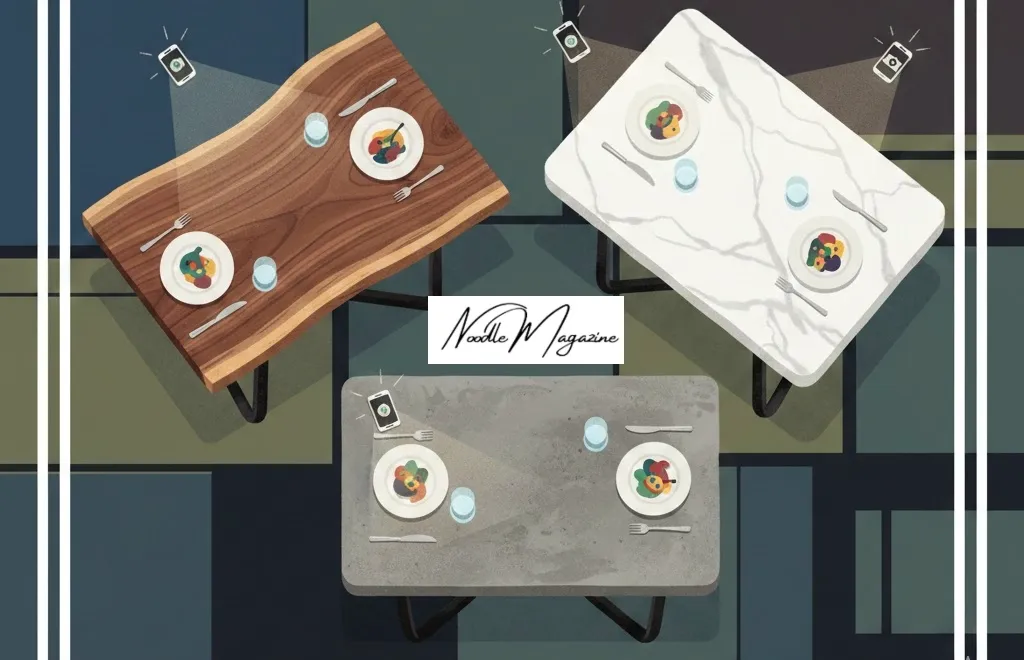
Scroll through Instagram or TikTok for five minutes, and you will notice something interesting. It is not just the food anymore. It is the table.
Polished stone surfaces, thick solid wood tops, dramatic edges, custom finishes, and carefully staged table settings are quietly stealing the spotlight. In many posts, the plate almost feels secondary. The restaurant tables underneath look intentional, styled, and very much part of the flex.
So yes, a real question is forming. Are restaurant tables becoming a new kind of status symbol on social media?
From Food Shots to Furniture Moments
There was a time when social media food content was simple. A plate, good lighting, quick snap, done. That era feels distant now.
Today, creators frame wider shots. The camera pulls back. You see the tabletop, the texture, the edge detail, the way light hits the surface. Some posts even tag the furniture designer or the restaurant interior before mentioning the dish.
This shift did not happen by accident. As feeds became crowded with food content, restaurants needed another way to stand out. The table became part of the story. It is permanent, repeatable, and always in frame.
Unlike a seasonal menu item, a distinctive restaurant table lives in every photo, every reel, every story.

Tables as Visual Identity
Think about how branding works online. Recognition matters. Consistency matters.
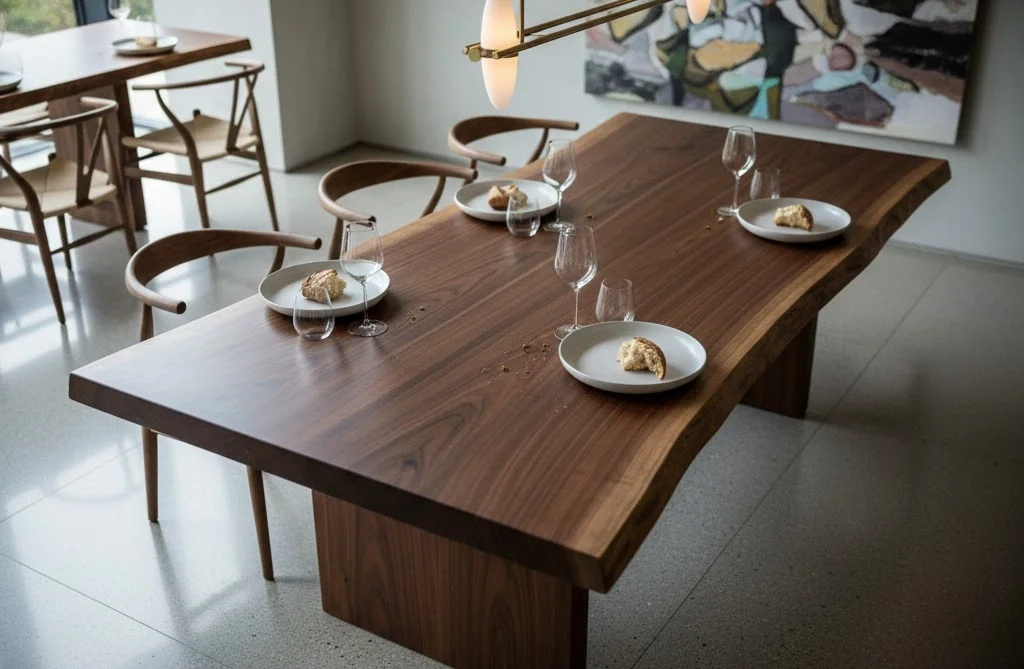
A restaurant with custom tables instantly creates a visual signature. Followers begin to recognize the space without reading the caption. A thick walnut table with a live edge. A smooth white stone top paired with dark metal bases. A raw concrete surface that feels industrial and bold.
These tables become visual shorthand for quality, taste, and experience. Subtly, they signal investment. They say this place cares about details. And on social media, details are everything.
It is not about being flashy. It is about being distinct.
Why Tables Photograph So Well
There is a practical reason tables are showing up more often in content. They photograph beautifully.
A well-designed restaurant table creates structure in an image. It grounds the shot. It adds texture without clutter. It provides context for the food rather than competing with it.
Creators love surfaces that reflect light softly or absorb it in a controlled way. Matte wood. Honed stone. Brushed finishes. These materials reduce glare and help colors pop naturally.
That is why cheap laminate tops rarely go viral. They look flat. They feel disposable. Social media rewards surfaces that look solid, intentional, and timeless.

Status Without Saying a Word
Here is where the status symbol idea really starts to make sense.
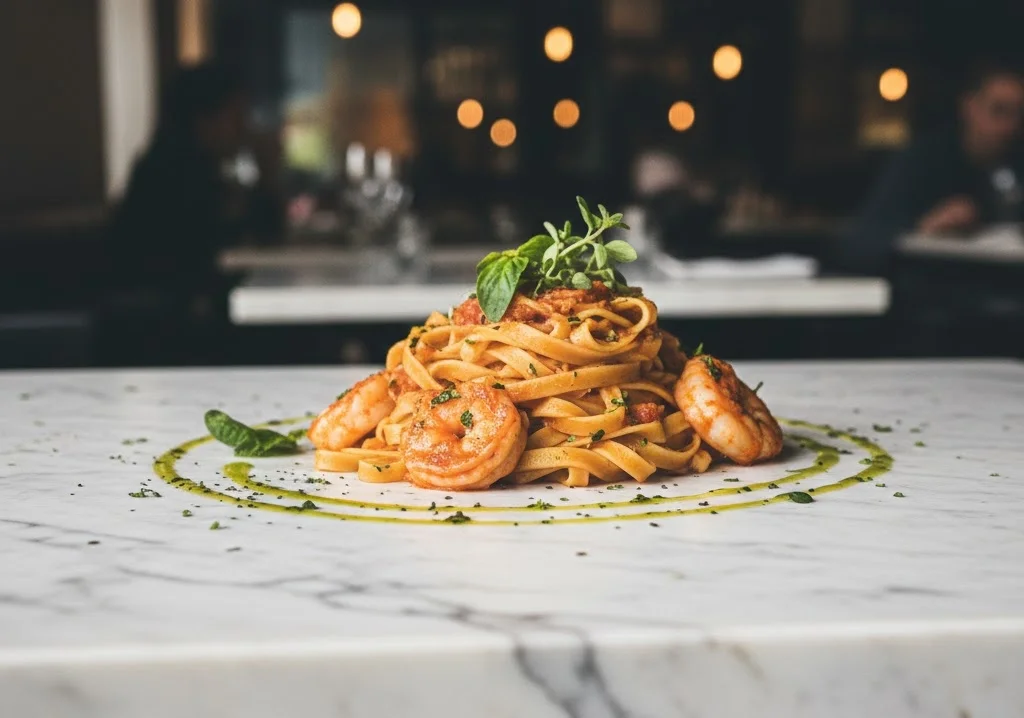
Luxury today is often quiet. It is not about gold or excess. It is about restraint, materials, and craftsmanship. A heavy, real-wood restaurant table sends that message instantly.
Viewers may not consciously think about it, but they feel it. They associate the space with quality. With expense. With something worth visiting.
For diners, posting a photo at that table becomes part of their own image. It signals taste. It says, I know good places. I choose experiences, not just meals.
The table becomes a backdrop for personal branding.
Restaurants Are Designing for the Feed
Many restaurant owners will not say it out loud, but design decisions are increasingly influenced by how spaces appear online.
Tables are no longer just selected for durability and cost. They are chosen for camera angles, edge profiles, and how they interact with lighting. Some spaces even mix table styles to create multiple photo-friendly zones within the same dining room.
A long communal table for group shots. Smaller square tables for clean overhead photos. Statement tables near windows for natural light reels.
In this environment, restaurant tables do marketing work every single day without spending a single ad dollar.
The Rise of Custom and Statement Pieces
Another reason tables are gaining status is customization.
Standard catalog tables are easy to spot. Social media has trained people to notice sameness. When a table feels unique, it stands out immediately.
Custom sizes, unusual finishes, mixed materials, and bold proportions all translate well on screen. Even subtle choices, like thicker tops or oversized bases, can elevate the overall look of a space.
This is why more restaurants are investing in statement tables rather than replacing them frequently. One strong table design can carry years of content.

What This Means for Restaurant Owners
If you run a restaurant today, ignoring how your tables look online is a missed opportunity.
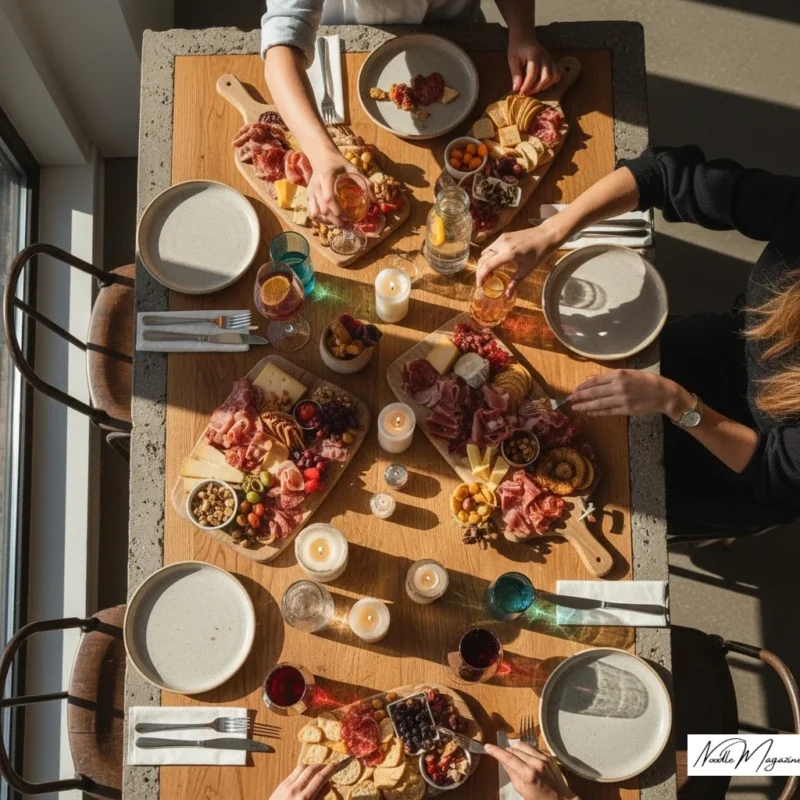
This does not mean chasing trends or copying viral designs. It means understanding that restaurant tables are no longer invisible. They are part of the guest experience and part of your digital identity.
A well-chosen table can:
- Increase the shareability of customer photos
- Strengthen brand recognition online
- Make your space feel premium without saying it
- Support long-term marketing through organic content
In many cases, the return on investment shows up in ways that are hard to measure but easy to feel. More tags. More reposts. More curiosity.
Are Tables Replacing the Food?
Not at all. Food still matters. Taste still wins.
But the table has become a supporting character, sometimes stealing the scene. It sets expectations before the first bite. It frames the moment. It quietly communicates value.
In a world where restaurants compete for attention as much as appetite, every surface counts.
The Quiet Flex of the Modern Dining Room
So are restaurant tables becoming the new status symbol on social media?
In many ways, yes. Not because people are obsessed with furniture, but because tables now represent something bigger. Thoughtfulness. Quality. Intentional design.
They are the quiet flex. The kind that does not need a caption to explain itself.
And as long as social media rewards atmosphere, texture, and authenticity, the humble restaurant table will keep showing up in the spotlight, right where the food sits.