


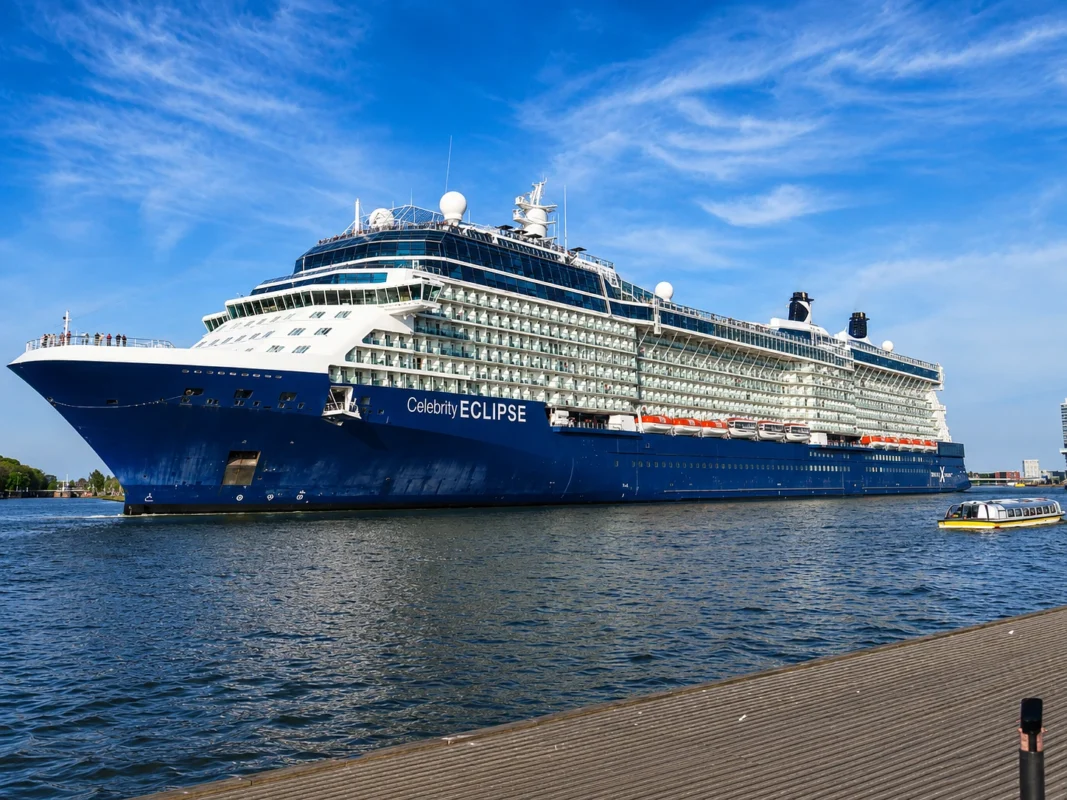
Coming by Schiphol and Centraal‚ you meet Amsterdam in fragments: the queue for tram tickets‚ a slice of canal beyond the taxi window‚ a street grid to crack․ From a ship‚ you meet Amsterdam in reverse: the whole city first․ The water sets you down inside the structure of the place instead of along its edges‚ and the canal rings appear first not as lines on a map but as physical geography‚ arcing out from the medieval center in bands you can actually see․
You pass houseboats side by side on the Prinsengracht‚ their windows at your eye level‚ and one stone bridge after the other‚ one horizon and access opened‚ until the city opens out at the IJ․ It is still wide and industrial and real‚ but where the inner rings have been closed‚ and domestic‚ the contrast all the more real and immediate because you’ve seen it happen at water pace․
The canal rings only make sense from the water
Such was the ideal of a planned port town‚ invisible from street level, that was built․ The swampy lake surrounding it was drained in the late 16th and 17th centuries so Amsterdam could expand․ Canals were excavated in concentric circles about the developing city‚ and houses were built between them․ The three most distant canals were dug as a single project beginning in 1613․ On the inside of this ring was the Singel‚ a medieval moat․ The ring was added to Unesco’s World Heritage List on 1 August 2010‚ for its influence as a model of town planning‚ copied by other European cities for two centuries․
On the boat‚ history becomes a thing you can point at․ Gliding past‚ you see the four main canals as bands:
- Prinsengracht is the innermost line and the old medieval moat‚ so it marks the edge of the original town rather than the expansion․
- Herengracht is the grandest‚ of the three main ones‚ and the widest merchant houses are found on the Golden Bend․
- Keizersgracht is the middle canal‚ more modest than the neighboring Herengracht‚ but still surprisingly wide․
- Prinsengracht was the outermost‚ most busy and lined with houseboats bordering the Jordaan․
Step outside the grid into the Jordaan
Coming from the canal mooring‚ the sense of the Jordaan is different from coming from Centraal․ You have not had to cross a major road or pull out a bus map․ Beyond the Prinsengracht is the area built in the early 1600s for the city’s laborers and immigrants seeking shelter․ These twisting streets followed old ditches and footpaths rather than the predescribed rings of the merchant canals․ That is why it feels spatially out of place next to the rich district beside it․
Time your visit and the neighbourhood does more of the work:
- Another separate Dutch organic farmers’ market‚ the Saturday market at the Noordermarkt‚ the first such market in the country‚ runs from approximately 9am to 4pm and is patronized by locals and tourists․
- On Monday mornings‚ the Noordermarkt hosts an antiques and flea market‚ while the nearby Westerstraat market sells fabric and clothing‚ both open 9am to 1pm․
- Behind plain doors lie the hofjes (almshouse courtyards) for older women; most are still inhabited‚ so enter quietly‚ and think of them less as attractions than homes․
Many of these courtyards were near-derelict by the 1970s and instead of being moved on‚ they’ve been restored‚ keeping the feel of somewhere people actually live‚ even after decades of gentrification․
Make the ship a floating base rather than a logistics problem
Central mooring is a plus‚ particularly when city breaking‚ not being forced to waste a day to transfer‚ check into a hotel‚ find it and then plan your route around a place․ Things to resolve before you set sail:
- The mooring is within walking distance of the Rijksmuseum‚ the Anne Frank House and the Jordaan‚ and the ship provides a good base from which to explore the area․
- Pre-booking the Anne Frank House‚ Rijksmuseum and Van Gogh Museum is essential; timed tickets are available online but sell out frequently‚ often weeks in advance․
- Bear in mind that most of those big museums are just off the canal ring‚ not on it‚ and you’ll have to walk or tram reasonably far out․
- For those who continue on from Amsterdam to Basel by boat‚ the Rhine corridor includes numerous small ports within walking distance of one another‚ making river travel a far more productive solution than such a long land trip․
Why people who know Amsterdam keep coming back to the water
Even people who know the streets come back because the angle keeps showing what walking misses․ The light on the water moves through the day and constantly changes the look of the facades and the bridges․ Although it may seem that the houseboats are still‚ they are floating communities․ In approaching the city from the water‚ one is presented with a mental map that is based on canals‚ not roads․ Whatever the mode of travel‚ you have your bearings by canal names and bridges crossed․ This is simply how the city was meant to be read․ Because Amsterdam is built to be seen from the water‚ seeing it from the boat first is what puts it into perspective․