


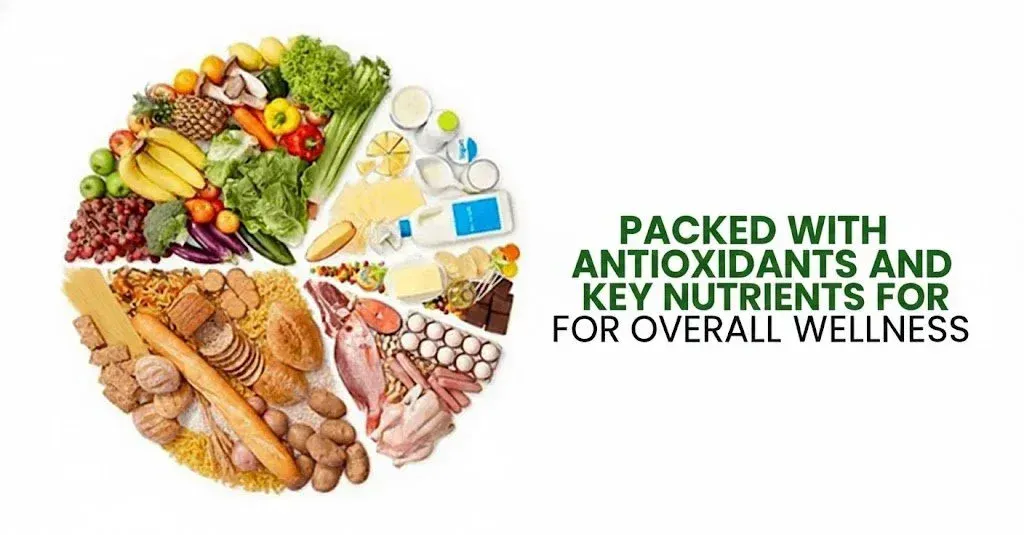
Packed with Antioxidants and Key Nutrients for Overall Wellness
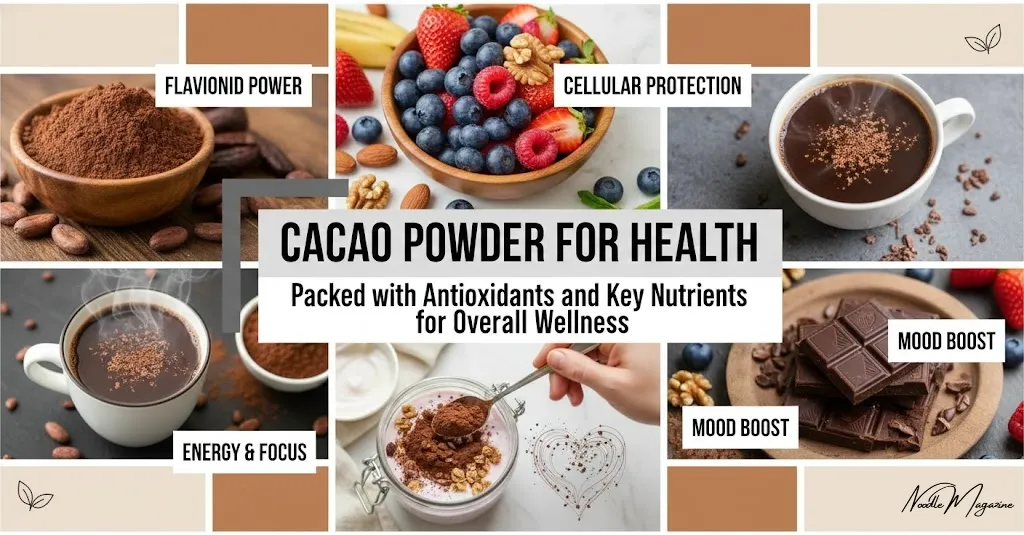
Cocoa powder is rich in flavonoids. Flavonoids are plant antioxidants that have been known for years to promote the strength of cellular protection and general immune systems. In addition, oxidative stress is typically mitigated by flavonoids; therefore cacao powder assists in the reduction of conditions related to age and chronic diseases.This healthy action creates more vigorous cells with better post-exercise recovery resulting in sustained health resilience long into the future. Cacao powder has the capacity for holding very high amounts of antioxidants compared to most other natural foods and hence whoever is looking forward to boosting their immune system should look no further.
Cacao powder is rich in antioxidants and abundant with minerals- magnesium, iron, potassium, and calcium. Among other benefits, magnesium helps in muscle relaxation as well as energy production and nerve function-including general stress response. For those who experience exhaustion or have tight muscles, eating foods high in magnesium content will help; thus, making it easy to do so through cacao powder. Iron promotes healthy red blood cell production and oxygen transportation while potassium assists the appropriate fluid balance and heart health of an individual. These minerals help the wheels of most essential body functions run well every day.
- Cacao powder is also noted as a good promoter of cardiovascular health due to the action of flavonoids improving blood flows, vessel flexibility, and balanced pressure of the blood.
- When taken with a good diet, cacao can work its way through improving circulation to make the heart healthier.
- Normal healthy fats that are present and help in cholesterol management add another plus point for long-term cardiovascular health.
The Perks of Having Cacao Every Day: Boosting Brain, Mood, and Energy

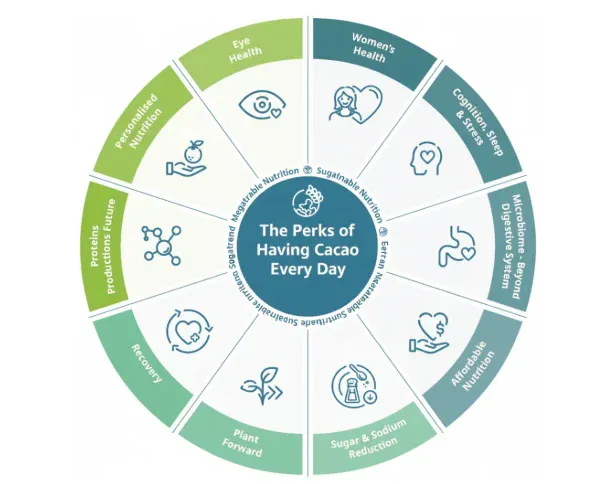
Perhaps the most popular benefit associated with cacao powder is its role in mental wellness and emotional stability. Cacao acts on neurotransmitters relevant to mood, focus, and motivation. The effects of cacao include phenylethylamine-induced alert and positive feelings as well as anandamide-based relaxed and calming sensations. These two compounds work in combination to naturally uplift the consumer’s mood soon after having any food or drink containing cacao.
- Cacao likewise carries smaller dosages of theobromine, a bombastic stimulant that actually does give focus and energy without delivering side effects akin to caffeine and thereby jitters.
- For one looking for low but steady energy to keep them going productively through the day, cacao would be an appropriate choice.
- Theobromine facilitates breathing support hence promoting good air intake and general breathability during body exercises.
Cacao is high in antioxidants and magnesium. These nutrients will protect the brain cells and support good nerve communications while sustaining the function of long-term memory. Vitamin D also contributes to cognitive clarity and stable mood regulation, which makes the combination of both nutrients supportive for overall mental wellness. Most people believe that consuming cacao powder with their breakfast shakes or morning meals makes them mentally awakened to perform all day long, maintaining their emotional states.
Cacao powder can be easily included in the diet. It mixes perfectly well with oatmeal, yogurt, smoothies, protein shakes, homemade energy bites, and warm drinks. To make nutrient-dense snacks that give vigor and wellness, pair them with fruits or nuts as well as natural sweeteners. Use high-quality unsweetened cacao powder to get all of the antioxidants and minerals without any additives.
Tips to Include Antioxidant-Rich Foods in Your Diet
If you want to eat more superfoods, a good place to start is by adding more color to your plate. Try to choose a variety of fruits, vegetables, and whole grains every day, selecting fresh produce whenever possible. If you like to cook, experimenting with different cuisines can be a good way to discover new antioxidant-rich ingredients. Cooking at home also gives you more control over your ingredients and allows you to make healthier choices.
Final Words
Antioxidants are compounds that your body makes naturally. You can also get them from food.
They protect your body from potentially harmful molecules known as free radicals, which can accumulate and promote oxidative stress. Oxidative stress raises the risk of heart disease, cancer, type 2 diabetes, and many other chronic conditions. Eating a diet rich in antioxidants can help neutralize free radicals and reduce the risk of these chronic diseases.
By eating a wide variety of the foods in this article, you can boost your blood levels of antioxidants and reap their many health benefits.
Research References
- Katz, D. L., et al. (2011). “Cocoa and chocolate in human health and disease.” Antioxidants & Redox Signaling, 15(10), 2779–2811.
- Hooper, L., et al. (2012). “Effects of chocolate, cocoa, and flavan-3-ols on cardiovascular health: a systematic review and meta-analysis.” The American Journal of Clinical Nutrition, 95(3), 740–751.
- Grassi, D., et al. (2015). “Cocoa consumption for cardiovascular health.” Current Opinion in Clinical Nutrition & Metabolic Care, 18(6), 669–674.
- Magrone, T., & Jirillo, E. (2012). “Polyphenols from cocoa and dark chocolate: from molecular mechanisms to clinical applications.” Current Pharmaceutical Design, 18(28), 4079–4085.
- Sokolov, A. N., et al. (2013). “Cocoa flavanol improves cerebral oxygenation and cognitive performance during sustained mental effort.” Journal of Psychopharmacology, 27(6), 451–458.
- Schroeter, H., et al. (2006). “Cocoa flavanols and cardiovascular health.” Journal of Cardiovascular Pharmacology, 47(Suppl 2), S207–S212.
- Barrio, A. C., et al. (2011). “Cocoa polyphenols protect pancreatic β-cells against oxidative stress.” Journal of Agricultural and Food Chemistry, 59(17), 9183–9188.
- Francis, S. T., et al. (2006). “The effect of flavanol-rich cocoa on cerebral blood flow.” NeuroImage, 31(2), 563–570.
- Panza, F., et al. (2016). “Cocoa, chocolate, and cognition: a systematic review.” Neuroscience & Biobehavioral Reviews, 71, 12–21.
- Allen, R. R., et al. (2008). “Cocoa polyphenols and their influence on vascular health: a review of human clinical trials.” Nutrition Research, 28(10), 689–696.