


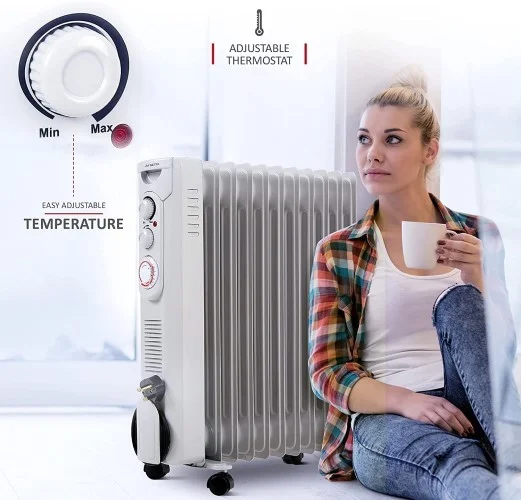
British homes have a damp problem. Always have. The climate doesn’t help, the housing stock definitely doesn’t help, and most heating systems people have relied on for decades were never really built with air quality in mind, just getting rooms warm. That was the brief, and that was that.
Electric radiators do the warming too, but the way they go about it turns out to matter more than most people expect.
Air Quality
Gas and oil systems burn fuel. Combustion produces byproducts, and even when everything’s working as it should, trace particles circulate. For most people, that’s background noise. For someone with asthma or any kind of respiratory sensitivity, it’s a recurring problem they’ve probably just got used to.

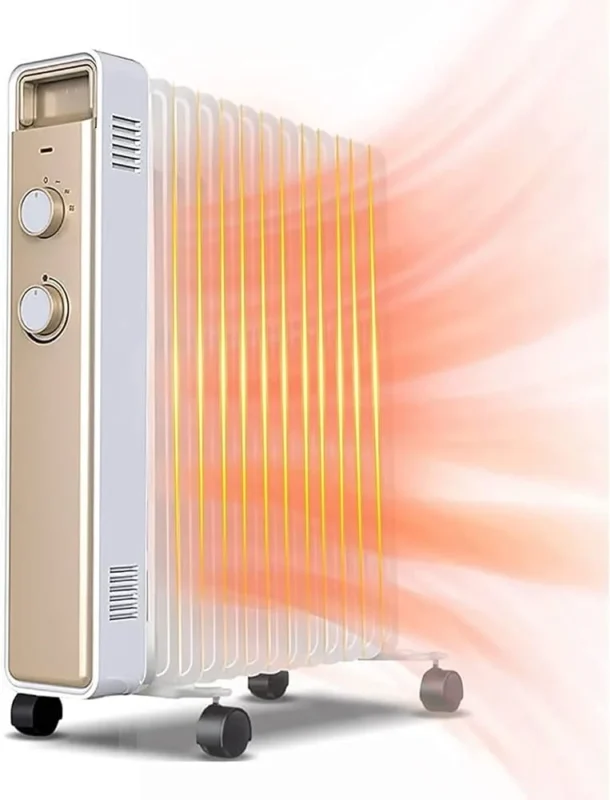
Electric radiators skip combustion entirely. No fumes, no residue from a heat exchanger that last got looked at two winters ago. The air stays as clean as the room itself.
There’s also the dust issue. Forced-air systems move air, which means they move whatever’s settled on your surfaces along with it. Electric radiators produce radiant heat — the warmth spreads without the air becoming a delivery mechanism for dust and allergens.
Damp and Mould
Anyone who’s rented a Victorian terrace knows that corner of the bedroom wall. The bathroom ceiling. The windowsill that never dries out between October and March. Mould isn’t just unsightly — prolonged exposure aggravates asthma, causes persistent coughing, and affects sleep in ways people don’t always trace back to their heating.

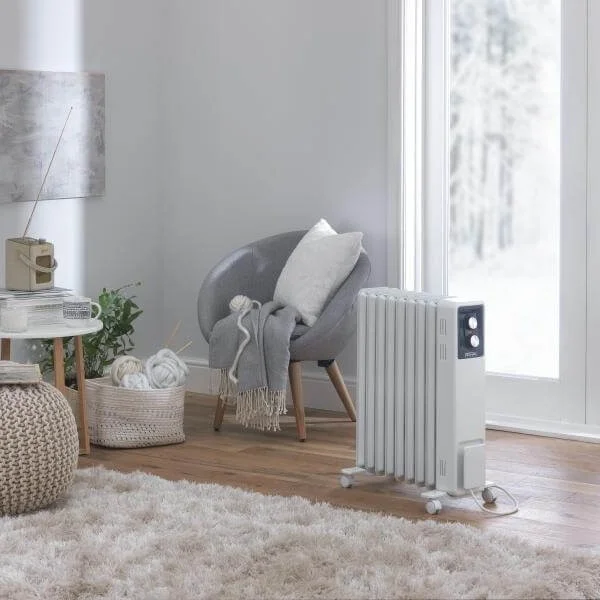
Consistent warmth stops condensation from settling long enough to become a problem. Electric radiators hold a steady background temperature rather than cycling through sharp highs and lows, which is exactly what damp walls need. The surface stays drier. That corner becomes manageable, or disappears.
Carbon Monoxide
Around 40 people die from accidental carbon monoxide poisoning in the UK every year. Hundreds more are hospitalised. Almost every case involves a faulty gas appliance — a boiler, a gas fire, occasionally a cooker. No smell, no colour, symptoms that look like flu until they don’t.
Electric radiators produce none. No combustion means nothing to leak. For households with elderly occupants or young children, that’s not a minor footnote.
Dry Air
Gas central heating strips moisture from indoor air. The result is that particular winter feeling — dry throat in the morning, skin that needs more moisturiser than usual, eyes that feel gritty by mid-afternoon. Across a four or five-month heating season, it accumulates.
Electric radiators run at lower surface temperatures, so they heat air more gently and don’t dehumidify rooms to the same degree. The gap isn’t dramatic, but for people who already find centrally-heated bedrooms uncomfortable to sleep in, it’s noticeable.
Temperature Control
Modern electric radiators let you programme room-by-room temperatures independently. Bedrooms around 16–18°C support better sleep than rooms left too warm or allowed to drop sharply overnight. Being able to set one room differently from the rest of the house sounds like a small thing until you start actually sleeping better.

Upkeep
Boilers need annual servicing. Wet central heating systems need bleeding, occasionally flushing, and eventually replacing valves when corrosion takes hold. Each maintenance job is also an opportunity for something to go wrong quietly — a slow leak feeding a damp patch, pressure dropping without anyone noticing.
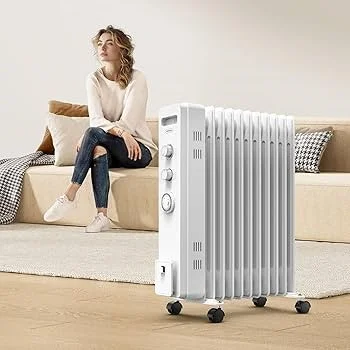
Electric radiators have no water, no moving parts, nothing requiring annual professional attention. Less to go wrong, less to ignore, less to find six months later, having already caused a problem.
Running costs depend on usage and tariff, and that conversation is worth having separately. But on the health side — cleaner air, drier walls, no carbon monoxide risk, steadier humidity, better control over sleeping conditions — the case is fairly straightforward. For the kind of homes most people in this country actually live in, that matters.