



Most people pick a credit card based on whoever approved them first or whichever name they recognised from an advert and then they spend the next three years paying fees and earning rewards they never use on a card that was never right for them in the first place. That is not a criticism of anyone in particular it is just what happens when the application process feels like a chore and you want it over with.
But the promo attached to a credit card application is genuinely where the value sits if you are willing to spend ten minutes reading the terms before you click apply. Waived annual fees for the first year. Enhanced cashback rates on categories you actually spend in. Sign-up bonuses that put money back in your pocket if you are hitting the spend threshold anyway. Interest-free periods that give you breathing room on a large purchase you were already planning.
These are not gimmicks. They are real money. The difference is whether you are picking the promo that matches how you already spend or chasing one that sounds impressive but requires you to change your behaviour to unlock it.
What a Credit Card Promo Actually Includes

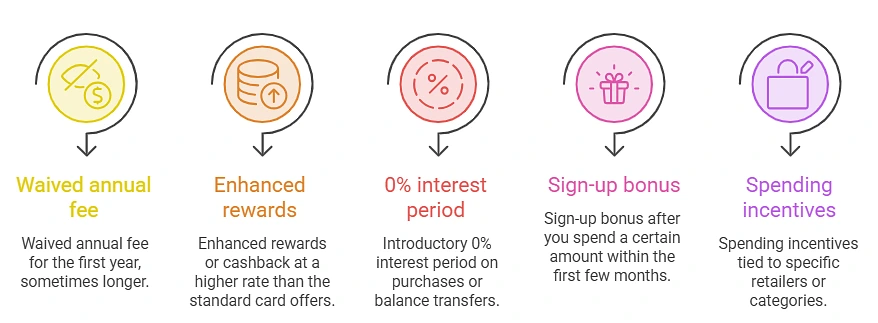
The typical promo is offering one or more of these:
- Waived annual fee for the first year, sometimes longer
- Enhanced rewards or cashback at a higher rate than the standard card offers
- Introductory 0% interest period on purchases or balance transfers
- Sign-up bonus after you spend a certain amount within the first few months
- Spending incentives tied to specific retailers or categories
The Maya credit card promo is a decent example of how these work in practice because it bundles a credit card with a Landers membership, which means you are getting a 2-in-1 card that covers both your credit spending and your wholesale club access. For anyone who is already shopping at Landers regularly that is a genuine saving because you are not paying for the membership separately.
But and this is the bit where ten minutes of reading saves you from a headache later, you need to know the difference between a zero-interest offer and a deferred-interest promo. They sound similar. They are not.
Zero interest means you are paying no interest during the promotional period. Deferred interest means you are not being charged interest right now but if you have not paid the balance in full by the time the promo ends all of that interest gets applied backwards to the original purchase date. So you go from thinking you paid nothing extra to suddenly owing months of interest in one hit.
That one distinction is worth more than any cashback percentage.
Working Out Whether a Promo Is Genuinely Worth It

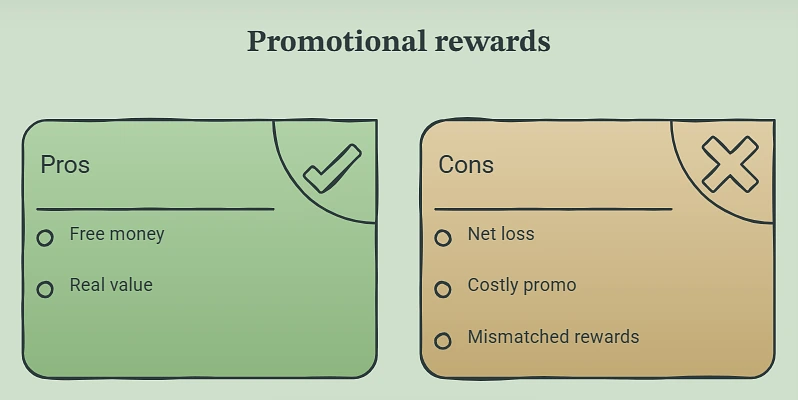
A strong promotional reward is not worth much if the ongoing costs eat it. This is basic maths but people skip it constantly because the headline number on the promo is more exciting than the annual fee on page four of the terms.
Say a card is offering a £150 sign-up bonus after you spend £1,000 in three months. If you are already spending that amount monthly on groceries and bills then the £150 is free money sitting there waiting for you. If you are normally spending £400 a month and you need to force an extra £600 of spending to hit the threshold then you are spending £600 you would not have spent to earn £150 which is not a bonus it is a net loss of £450.
The question that cuts through everything is this. Would you spend this amount anyway without the promo existing? If yes the promo is adding real value. If no the promo is costing you money while making you feel like you are saving it.
Same logic applies to rewards categories. A card offering 5% cashback on dining out is brilliant if you eat out three times a week. It is worthless if you meal prep on Sundays and eat at your desk every lunchtime. The promo has to match the life you are already living not the life the card issuer wishes you were living.
Picking the Right Promo for How You Actually Spend
If you are carrying a balance month to month then an interest rate promo matters more than a rewards promo because you are paying interest on whatever you do not clear and a high cashback rate on a card charging 24% APR on your balance is giving with one hand and taking with the other.
If you clear your balance every month and never pay interest then the interest rate is irrelevant and you should be looking purely at rewards, cashback and fee structure because that is where your value sits.
If you are making one large purchase in the next few months, furniture, a holiday, home repairs, then a 0% introductory purchase rate gives you months to spread the cost without interest and that is genuinely useful as long as you are clearing it before the rate jumps.
And if you are trying to build or rebuild your credit history then the promo matters less than the card’s reporting to credit reference agencies and whether it is designed for credit building rather than rewards chasing.
Not every promo is for every person and the one that looks most generous in the advert is often the worst fit for someone whose spending pattern does not match what the card was designed around.
Three Mistakes That Keep Coming Up

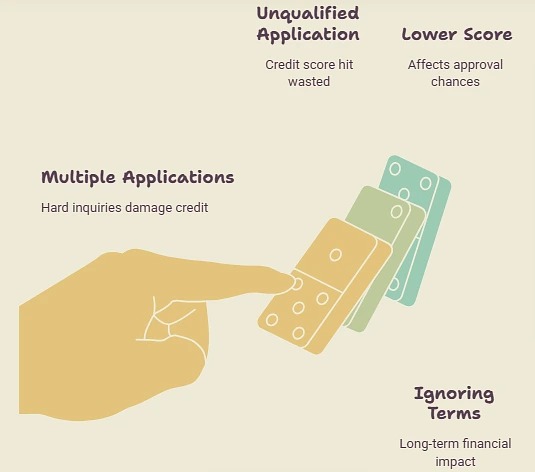
Applying for several cards at once to chase multiple promos. Each application creates a hard inquiry on your credit file. Three or four of those within a few months and your credit score takes a visible dip which affects your chances of approval on the card you actually wanted.
Focusing on the bonus and ignoring what happens after the promo ends. The annual fee after year one. The interest rate once the introductory period expires. The redemption conditions on the rewards you have been accumulating. These ongoing terms are what you live with for years after the promo has expired and they determine whether the card is costing you or saving you money in the long run.
Not checking whether you actually qualify before applying. Some promos are restricted to new customers only. Some require a minimum income. Some are not available if you have held a card with that issuer in the previous twelve months. Finding this out after you have already taken the credit score hit from the application is frustrating in a way that reading the eligibility criteria beforehand would have prevented entirely.
The Short Version
A credit card promo is real money if it matches how you already spend. It is a trap if it requires you to spend differently to unlock it. The gap between those two outcomes is about ten minutes of reading the terms before you apply, which is not a lot of time for something that affects your finances for the next several years.
Pick the promo that fits your actual spending. Read the interest structure. Check what happens after year one. Clear the balance if you can. And if a sign-up bonus requires you to spend more than you normally would then it is not a bonus it is a marketing budget and you are the one funding it.