



Building a successful business is rarely the result of luck. Long-term success comes from making consistent, well-informed decisions that strengthen every area of an organisation. While market trends, technology and customer expectations continue to evolve, the businesses that thrive are those with a clear strategy, strong leadership and a willingness to adapt.
Below are the key factors that contribute to sustainable business success and help organisations remain competitive over time.
A Clear Long-Term Vision

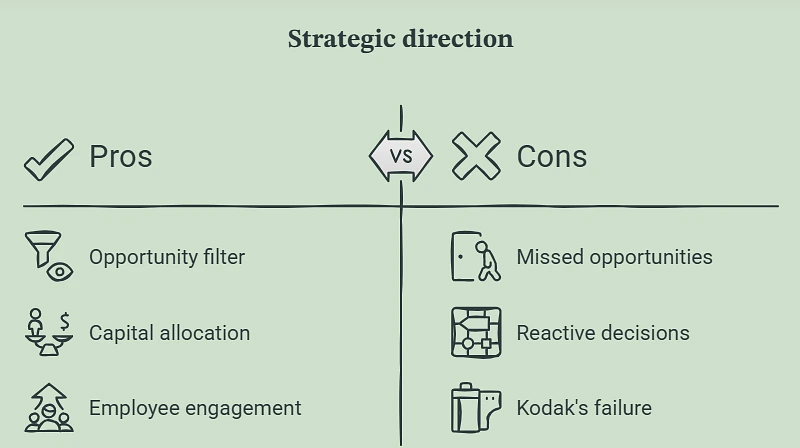
Every successful business starts with a clear vision. Knowing where the organisation wants to be in five or ten years helps guide day-to-day decisions and keeps teams focused on shared goals.
A long-term vision should be supported by realistic objectives, measurable milestones and regular reviews. Rather than reacting to every market change, businesses with a defined strategy can prioritise opportunities that align with their wider ambitions.
This strategic direction also helps employees understand how their work contributes to the company’s success, creating greater engagement and consistency across departments.
Strong Leadership and Decision-Making

Leadership plays a vital role in sustainable growth. Effective leaders create a positive culture, communicate expectations clearly and encourage innovation throughout the organisation.
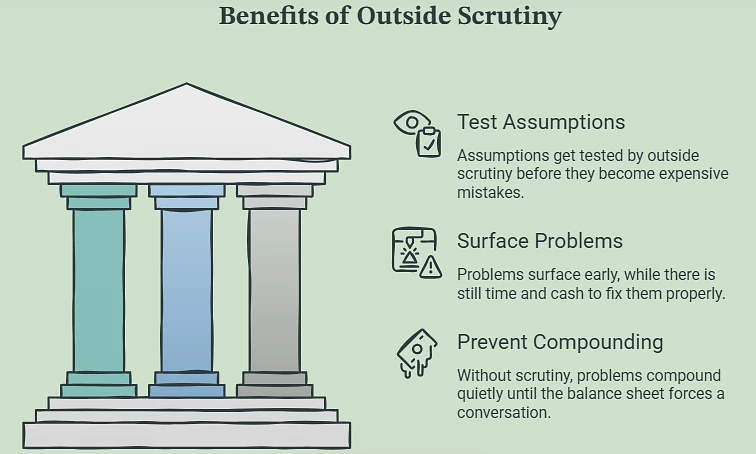
Good decision-making is based on evidence rather than assumptions. Leaders who regularly review performance data, monitor industry developments and seek expert advice are better equipped to make informed choices that support long-term growth.
Successful leaders also recognise when external expertise can provide valuable insight. Many organisations benefit from working with a strategic business consultancy to gain an independent perspective, identify new opportunities and strengthen their long-term planning.
Understanding Customers

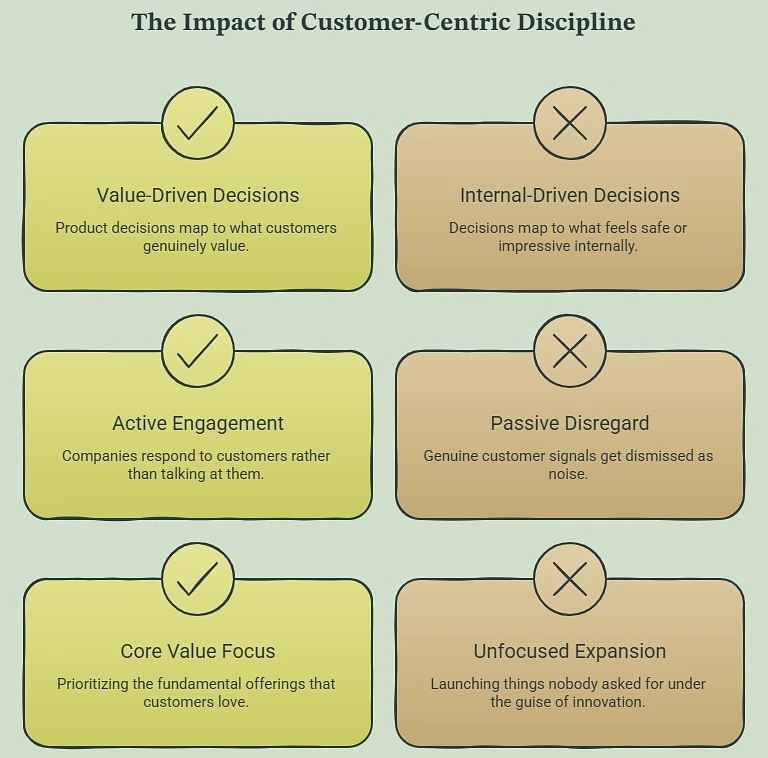
Businesses that consistently meet customer needs are far more likely to achieve lasting success. This requires more than offering quality products or services. It involves understanding changing expectations and responding quickly to feedback.
Regular customer research, surveys and performance analysis help organisations identify emerging trends before competitors do. Businesses that actively listen to their customers can improve their offerings, strengthen loyalty and build lasting relationships.
Providing excellent customer service also encourages repeat business and positive recommendations, reducing the cost of acquiring new customers.
Investing in People

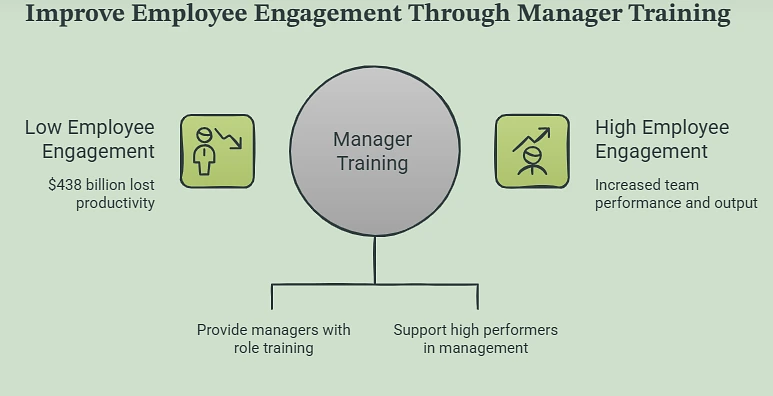
Employees are one of the most valuable assets any organisation has. Businesses that invest in recruitment, training and professional development create more knowledgeable, motivated and productive teams.
Creating an environment where employees feel supported encourages collaboration, innovation and accountability. High staff engagement often leads to improved customer experiences, increased efficiency and lower employee turnover.
Encouraging continuous learning also helps organisations develop future leaders from within, supporting long-term stability and reducing recruitment costs.
Embracing Innovation

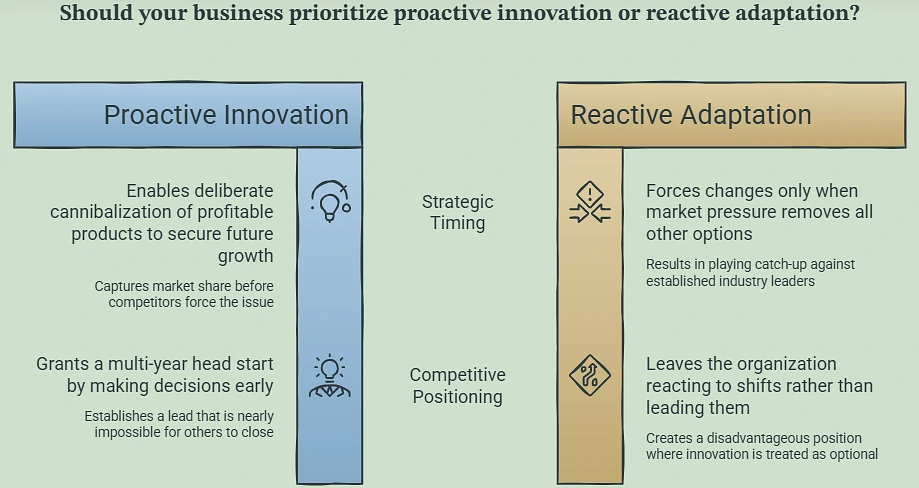
Markets rarely remain static. New technologies, changing consumer behaviour and increasing competition require businesses to continually improve.
Innovation does not always involve creating entirely new products. It may include improving internal processes, adopting new digital tools, streamlining operations or enhancing customer experiences.
Organisations that embrace change while remaining focused on their core objectives are often better positioned to respond to future challenges and seize new opportunities.
Financial Discipline

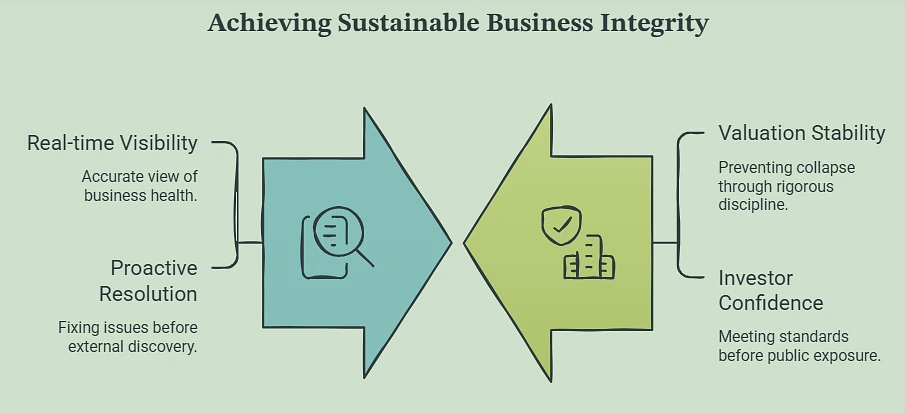
Strong financial management provides the foundation for sustainable growth. Profitable businesses carefully manage cash flow, monitor expenses and invest resources where they generate the greatest long-term value.
Regular financial reporting allows leaders to identify risks early and make informed investment decisions. Maintaining healthy reserves also provides greater resilience during periods of economic uncertainty.
Rather than focusing solely on short-term profits, successful businesses balance immediate performance with investments that support future growth.
Building a Resilient Business

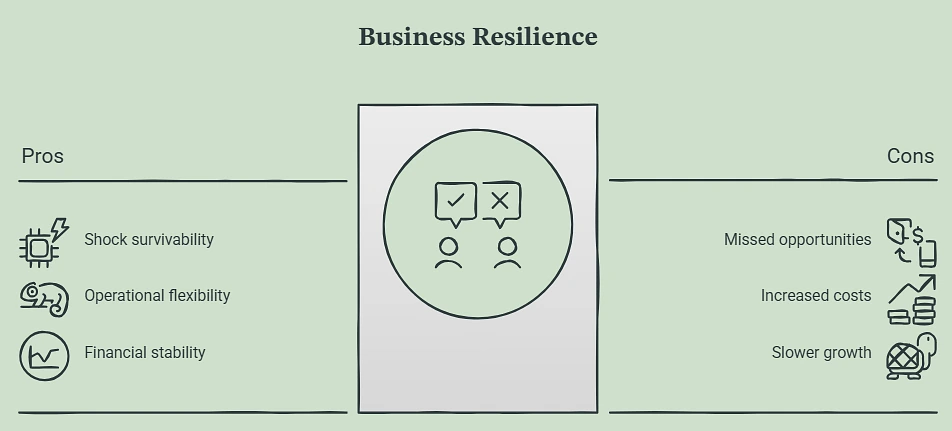
No organisation is immune to unexpected challenges. Economic downturns, supply chain disruptions and changing regulations can affect even established businesses.
Resilient organisations prepare for uncertainty through effective risk management, flexible planning and diversified revenue streams. They regularly review their strategies and are willing to adjust when circumstances change.
Building resilience also means creating strong relationships with customers, suppliers and employees, ensuring the business can continue operating effectively during difficult periods.
Measuring Success Beyond Profit

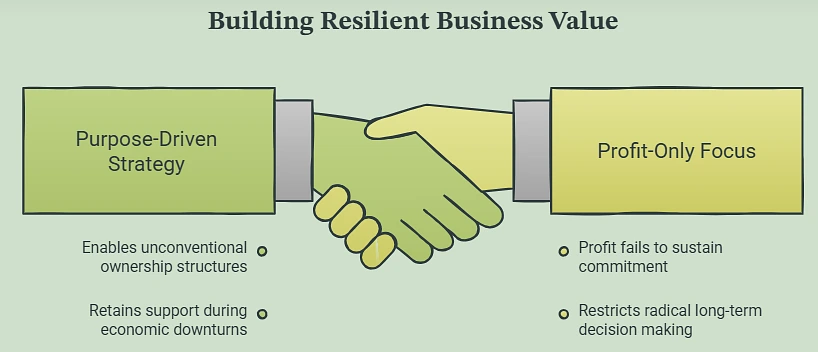
While profitability remains important, sustainable success is measured in many ways. Customer satisfaction, employee retention, operational efficiency, innovation and brand reputation all contribute to long-term performance.
Businesses that regularly measure key performance indicators gain valuable insight into what is working and where improvements are needed. This enables continuous refinement rather than relying on assumptions or outdated strategies.
Rather than chasing short-term gains, businesses that focus on building strong foundations create lasting value for customers, employees and stakeholders alike. Over time, these strategic decisions become the driving force behind resilience, competitiveness and sustainable success.