


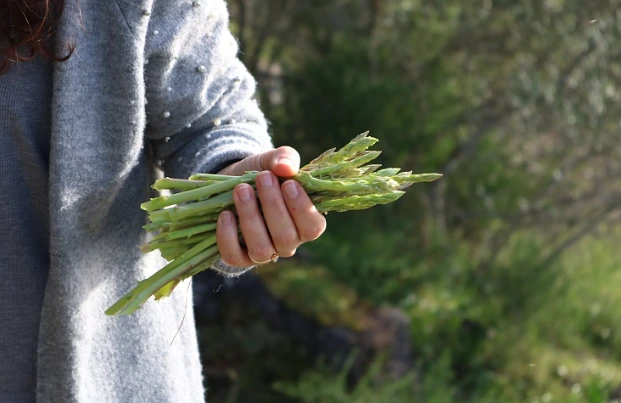
Plenty of cooks know the phrase “eat with the seasons,” yet far fewer stop to ask which seasonal British ingredients actually make that principle worth following. The answer shifts throughout the year, from tender spring asparagus and wild garlic to summer’s glut of strawberries and broad beans, through autumn’s earthy mushrooms and squash, and into winter’s steady supply of root vegetables and purple sprouting broccoli.
British produce earns its place on that list for different reasons depending on the time of year. Some ingredients, like forced rhubarb in late winter, stand out for their short window and concentrated flavour. Others, like leeks or kale, reward cooks with weeks of availability and genuine versatility. What they share is peak freshness when bought in season, which makes the difference between seasonal eating feeling like a chore and feeling like the obvious choice.
The British Ingredients Worth Seeking First
Before diving into the full seasonal breakdown, it helps to have a shortlist of standout British ingredients that consistently earn their place in the kitchen. Across the year, a handful of seasonal produce picks rise above the rest for their flavour, versatility, or the sheer brevity of their window.
- Spring: Asparagus, wild garlic, and outdoor rhubarb
- Summer: British strawberries, gooseberries, peas, and broad beans
- Autumn: Celeriac, orchard fruits, and game such as pheasant
- Winter: Parsnips, leeks, squash, and purple sprouting broccoli
Each of these seasonal vegetables and fruits earns its place for a specific reason, whether that’s an unmistakable flavour at peak freshness, a short harvest window that makes timing worthwhile, or a versatility that suits multiple cooking approaches. The sections that follow explain each season in more detail.
What Each Season Brings to the Table
A long master list of British produce by month can feel more overwhelming than useful. A season-by-season view is more practical because it groups ingredients by the way they actually behave in the kitchen, connecting flavour, harvest timing, and cooking approach in one place.
Spring Ingredients with the Shortest Window
Spring seasonal produce arrives fast and disappears just as quickly. Asparagus has one of the most anticipated harvests of the British year, typically running from late April through June, and its flavour at peak freshness bears little resemblance to the imported alternative available year-round.
Wild garlic appears even earlier, carpeting woodland floors from March onward with a softer, leafier flavour than the bulb. Rhubarb, though technically forced through winter, hits its outdoor stride in spring and works beautifully in both sweet and savoury contexts.
Summer Ingredients at Their Sweetest
Summer is when seasonal fruit takes over. British strawberries ripen with a depth that chilled imports rarely match, while gooseberries offer something altogether different: a sharp, jammy character that suits crumbles and fools equally well.
Peas and broad beans represent the vegetable side of summer’s harvest at its best. Both are sweetest eaten within hours of picking, which is exactly why buying local and in-season makes the most practical difference here.
Autumn Ingredients with Depth and Comfort
Autumn shifts the kitchen toward warmth. Orchard fruits, including apples, pears, and quinces, arrive alongside the first root vegetables of the season. Celeriac, beetroot, and carrots develop a natural sweetness after early frosts, making them well suited to roasting and slow cooking.
Game also comes into season during autumn, with pheasant and partridge available through British produce suppliers from October onward.
Winter Ingredients That Reward Slow Cooking
Winter seasonal vegetables are built for the long cook. Parsnips, leeks, and squash hold their structure through braising and roasting, developing flavour rather than losing it. Brassicas, including cavolo nero, kale, and Brussels sprouts, round out the winter table with a bitterness that balances richer dishes well.
How to Cook Seasonal Ingredients Simply
One of the quieter advantages of cooking with seasonal ingredients is that peak freshness does most of the work. Produce harvested at the right time tends to have more developed flavour, which means less needs to be added or done to it. As the seasons covered above suggest, the cooking approach often follows naturally from the ingredient itself.
Best with Quick Cooking or Almost None
Delicate spring and summer produce falls into this group. Asparagus needs little more than a hot griddle and a few minutes. Wild garlic wilts beautifully into butter or olive oil without much heat at all.
Seasonal fruit like strawberries and gooseberries rarely benefit from complexity. A simple fool, a light maceration, or nothing at all will often serve them better than an elaborate seasonal recipe would. Peas and broad beans sit in the same camp, where the less time between pod and plate, the better.
Best for Roasting, Braising, and Slow Pots
Sturdier seasonal vegetables respond well to heat and time. Celeriac, parsnips, and squash develop deeper flavour under a hot oven, while leeks and root vegetables hold together through a long braise.
Game and tougher cuts work in the same direction, where slow cooking brings out the best in hearty meals alongside winter brassicas and root vegetables.
Why Peak Season Changes Flavour and Value
Timing matters more than most people expect when it comes to ingredient quality. Produce harvested at peak freshness has had time to develop its full sugar, acid, and aromatic compounds, which is why an in-season tomato or a just-pulled parsnip tastes so different from the same ingredient bought out of season.
Peer-reviewed research suggests that nutritional value can decline after harvest, meaning shorter supply chains help preserve what the plant actually built during growing. Fewer food miles between field and kitchen generally means less time in transit and cold storage, both of which affect texture and taste in ways that cooking can rarely fully recover.
Seasonal eating also brings variety by design. Rather than reaching for the same ingredients year-round, cooks naturally rotate through what’s available, which keeps the kitchen from becoming repetitive. The Food and Agriculture Organization has long connected this kind of sustainable eating to both environmental benefit and diet diversity, though the practical kitchen argument may be the more immediate one: food that tastes better at the right time of year simply encourages people to cook with more intention.
Where to Find Better Seasonal British Food

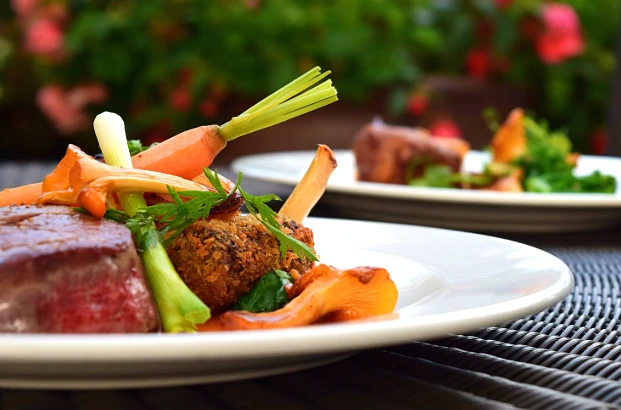
Farm shops, independent greengrocers, and weekly farmers’ markets remain the most reliable places to find seasonal produce at its best. Many display harvest dates and county of origin, which makes it straightforward to judge freshness and support growers within a short radius.
For meat and game, specialist suppliers bridge the gap that supermarkets rarely fill. A signature wild venison box from a dedicated game supplier sits naturally alongside locally sourced root vegetables as part of a broader seasonal approach to shopping. The National Trust also runs farm shops and estate kitchens at many of its properties, where British produce is often sourced directly from working farmland.
Direct buying schemes, including box deliveries and community-supported agriculture arrangements, are worth exploring for fruit and vegetables. They tend to follow the harvest closely rather than importing to fill gaps. For anyone thinking beyond individual meals toward longer-term habits, pairing good sourcing with structure helps, and building a heart-healthy weekly menu around seasonal ingredients is one practical way to bring the two together.
Seasonal British Ingredients Are Easier to Use Than They Seem
Seasonal eating rarely requires a complete kitchen overhaul. The more practical approach is to swap one or two ingredients at a time, letting British produce guide the change gradually across the year.
Each season covered here brings something distinct in flavour, ease, and variety. Starting with a single seasonal swap, perhaps a bunch of spring asparagus or a winter parsnip in place of an out-of-season alternative, is enough to notice the difference that peak-freshness seasonal produce actually makes.