


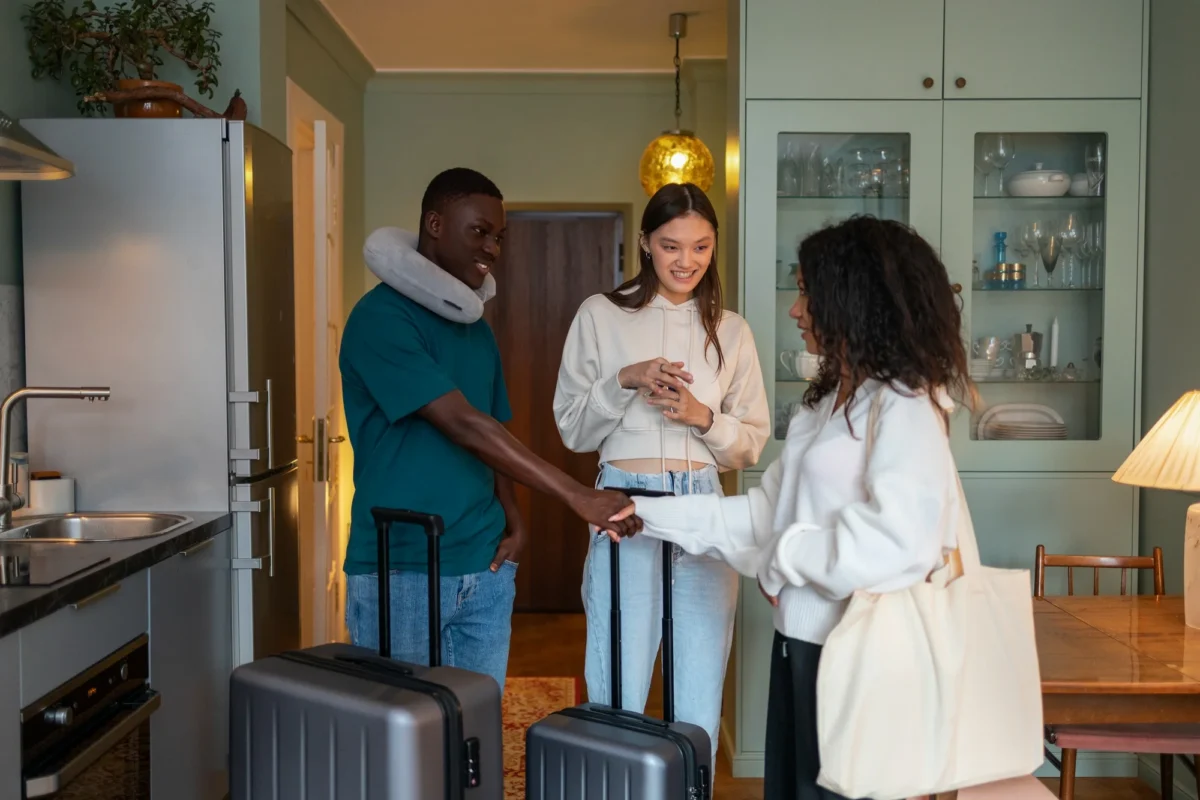
Running a successful short term rental is not about chasing trends or copying the flashiest listing in your zip code. It is about creating a space that feels easy to live in, even if someone is only there for a weekend. Guests want comfort, clarity, and a sense that someone put real thought into the experience, not just the furniture. When those pieces come together, good reviews follow, calendars fill faster, and hosting starts to feel far less stressful.
Start With A Space That Feels Effortless
First impressions matter more than most hosts want to admit. When guests walk in, they should instantly understand how the space works. Lighting should be intuitive, furniture should be arranged for conversation and comfort, and nothing should feel overly precious or fragile. This is not the place for museum vibes or design choices that make people afraid to sit down.
The kitchen is often the emotional center of a stay, even for guests who barely cook. A clean layout, uncluttered counters, and cabinets that are easy to navigate make a difference. This is also where small upgrades punch above their weight. A home espresso machine is a must here because it signals care and hospitality without needing instructions or explanation. Guests may never say it outright, but that first good cup of coffee sets the tone for the entire stay.
Design For Real Life, Not Just Photos
A listing photo can sell a stay, but livability is what earns five stars. That means choosing finishes and furnishings that hold up under use and still look good after repeat bookings. Washable fabrics, solid surfaces, and storage that actually works help guests settle in quickly.
Bedrooms deserve special attention. Comfortable mattresses, layered bedding, and blackout window treatments go a long way toward making a place feel restorative. Bathrooms should feel clean and calm, with enough counter space for real routines, not just a single soap pump and a tiny shelf. Guests notice when a space feels designed for humans instead of a camera lens.
Location Style Matters More Than Trends
One of the biggest mistakes hosts make is ignoring the personality of their location. Guests book with expectations shaped by where they are traveling, and your space should meet them there. A beach town rental should feel relaxed and airy, while a city condo benefits from sharper lines and efficient layouts.
For West Coast properties, especially, guests often respond to interiors that feel grounded and intentional without being stiff. Leaning into California home design can mean natural materials, warm neutrals, and a sense of indoor outdoor flow that feels relaxed but still polished. The goal is not to theme a space, but to let it feel rooted in its surroundings.
Make Comfort Obvious, Not Hidden
Guests should never have to hunt for basics. Extra towels, blankets, and pillows should be visible and easy to access. Clear instructions for things like climate control or Wi Fi save everyone time and frustration. This is not about over explaining, but about removing friction.
Small comforts often make the biggest impression. A spot to set down keys near the door, a place to charge devices by the bed, and seating that works for both lounging and working help guests feel at home fast. When comfort is obvious, guests relax sooner, and relaxed guests tend to be generous reviewers.
Cleanliness Is A Design Choice Too
Cleanliness is not just a maintenance issue, it is part of the overall design. Spaces that are easy to clean stay looking better between bookings. Fewer decorative objects, thoughtful storage, and durable finishes help a rental feel consistently fresh.
Scent plays a role here as well. Neutral, subtle scents signal cleanliness without overwhelming. Guests should never wonder whether a strong fragrance is covering something else. When a place smells clean and looks cared for, trust builds immediately.
Consistency Builds Trust And Repeat Stays
Successful listings feel dependable. Photos match reality, amenities are exactly as described, and nothing feels like a surprise in a bad way. Consistency is what turns first time guests into repeat visitors and word of mouth referrals.
This also applies to communication. Clear check in instructions, timely responses, and a calm, friendly tone go a long way. Guests want to feel supported, not managed. When hosting feels human and straightforward, it shows in reviews.
A Space That Respects The Guest Wins Every Time
At the heart of every strong Airbnb is respect for the guest. Respect shows up in thoughtful layouts, durable choices, and small comforts that make travel easier. It shows up in spaces that feel lived in, not staged, and in details that anticipate needs without drawing attention to themselves.
Designing with that mindset does more than boost bookings. It makes hosting feel sustainable and even enjoyable. When a space works well, guests take better care of it, feedback improves, and the entire experience becomes smoother for everyone involved.
The Long Game Pays Off
Short term rental success rarely comes from one dramatic change. It comes from stacking smart, human centered decisions over time. Spaces that feel comfortable, intuitive, and connected to their location tend to age well in a crowded market.
When guests feel at ease, they stay longer in the moment and remember the experience after they leave. That memory is what fills your calendar next season and the one after that.