


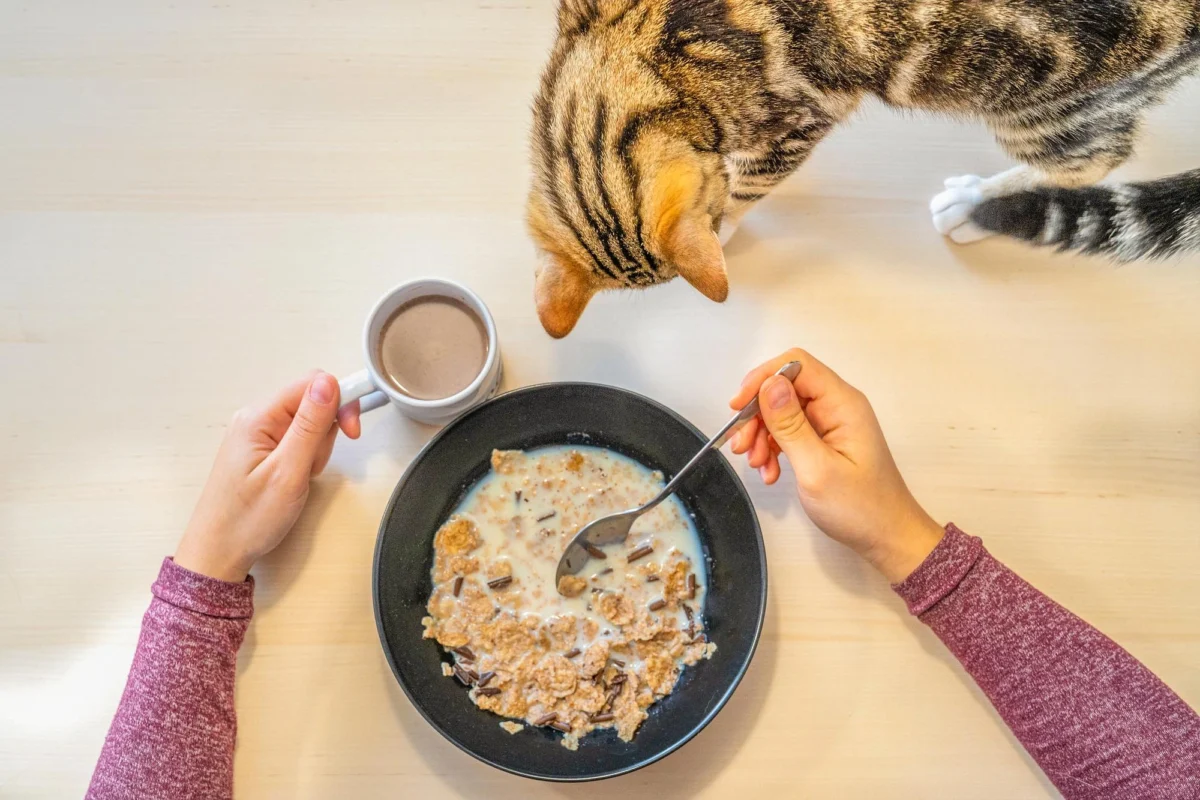
Cats have a reputation for being picky, dramatic little gourmands. One day they adore a food, the next day they stare at the bowl like you personally offended their ancestors. While most of their diet should come from balanced cat food, many pet owners are surprised to learn that a handful of everyday human foods can safely make their way into the dish. Some even come with real nutritional perks.
The key is keeping things simple. Cats do best with plain, unseasoned ingredients and small portions. No fancy sauces, no garlic, no salt bombs from the dinner table. When you keep it basic and thoughtful, sharing a bit of your kitchen with your cat can be both safe and beneficial.
Plain Cooked Chicken As A Lean Protein Boost
Chicken sits high on the list of cat friendly human foods for a simple reason. Cats are obligate carnivores, which means their bodies thrive on animal protein. Plain cooked chicken delivers exactly that without unnecessary extras.
A few shredded pieces of boiled or baked chicken can provide an easy protein boost, especially for older cats or those recovering from illness. It is gentle on the stomach and naturally appealing to most felines. The only rule is to skip seasoning completely. Garlic, onions, and many spice blends that taste great to humans can be harmful to cats.
You might occasionally hear people ask can cats eat raw chicken? in some cases. But cooked and unseasoned is better because cooking reduces the risk of bacteria and parasites that can upset your cat’s digestive system. In practice, a small serving of plain cooked chicken is the safer and simpler choice.
Salmon For Healthy Skin And A Shiny Coat
Cats often react to the smell of salmon the way humans react to fresh bread. They notice immediately. When prepared properly, salmon can provide omega 3 fatty acids that support skin health and a soft, glossy coat.
The preparation matters just as much as the fish itself. Salmon should be cooked thoroughly and served without oils, salt, or marinades. A small flake mixed into your cat’s regular food is usually enough to spark excitement without overwhelming their diet.
Many cat owners also find that a little salmon encourages picky eaters to finish their meals. The rich aroma does most of the convincing. Think of it less as a full meal replacement and more like a special addition that adds nutrition and flavor at the same time.
Pumpkin For Gentle Digestive Support
Pumpkin might sound like an odd addition to a carnivore’s plate, yet veterinarians often recommend it in small amounts. Plain canned pumpkin, not pie filling, contains fiber that can help regulate digestion.
For cats who occasionally deal with mild constipation or loose stools, a spoonful mixed into their food can provide a gentle reset for the digestive system. The fiber helps move things along without introducing anything harsh or artificial.
Most cats tolerate pumpkin surprisingly well when it is blended into their usual food. The flavor is mild, the texture mixes easily, and the fiber offers a natural way to support digestive balance.
Scrambled Eggs As A Nutrient Packed Treat
Eggs are another simple kitchen staple that many cats enjoy. Cooked eggs provide protein, amino acids, and beneficial fats that can complement a cat’s regular diet.
Scrambled eggs prepared without butter, oil, or seasoning work well in small portions. Even a few bites can supply extra nutrients while giving your cat a different texture and flavor to enjoy. Cats often appreciate the softness, which makes eggs especially helpful for older cats who may struggle with crunchy foods.
Portion size matters. Eggs are rich, so a small serving once in a while is plenty. Think of them as a weekend treat rather than a daily routine.
Tiny Bites Of Cooked Turkey Or Lean Beef
Lean meats like turkey or beef can also fit into the occasional treat category. The key again is simplicity. Cooked meat without salt, sauces, or spices gives cats the protein they naturally crave.
If you prepare turkey for dinner, a small plain portion set aside before seasoning can easily become a safe snack for your cat. The same goes for lean beef that is fully cooked and cut into small pieces.
Many pet owners first learn about sharing foods with pets through cookbooks, pet nutrition discussions, or even browsing food magazines that explore the growing interest in pet friendly recipes. While cats do not need gourmet meals, the idea that simple whole foods can play a small role in their diet has become increasingly popular among attentive pet owners.
Cats do not need complicated menus or elaborate treats to thrive. In fact, the simplest approach tends to be the best one. A few small additions like plain chicken, salmon, pumpkin, eggs, or lean meat can safely complement a balanced diet when offered occasionally and in modest portions.