


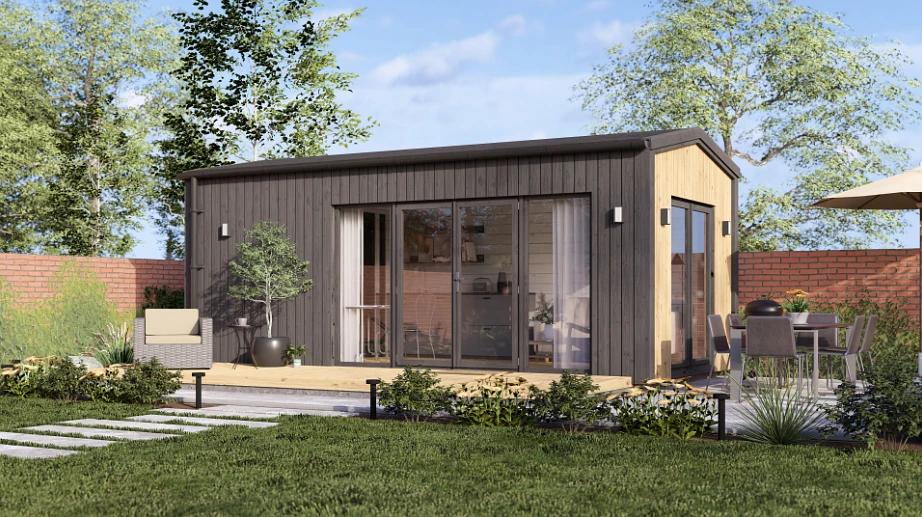
Your garden may be mostly used for outdoor storage rather than as an extension of your home. By carefully transforming this area, you can achieve considerable lifestyle benefits while potentially increasing your property’s value. An effective garden transformation requires attention to design and functionality, rather than appearance alone. Garden rooms can help turn an unused outdoor space into a practical extension of your home, providing a dedicated area for work, relaxation, entertaining or hobbies. Whether you want it to be beautiful, functional, or both depends on your objectives. The incorporation of design principles, hardscaping, planting and amenities creates distinct zones for different activities while making the space both attractive and useful. This differs from a cosmetic makeover because it changes the structure and purpose of the space.
Assess Your Space: The Garden Audit Framework

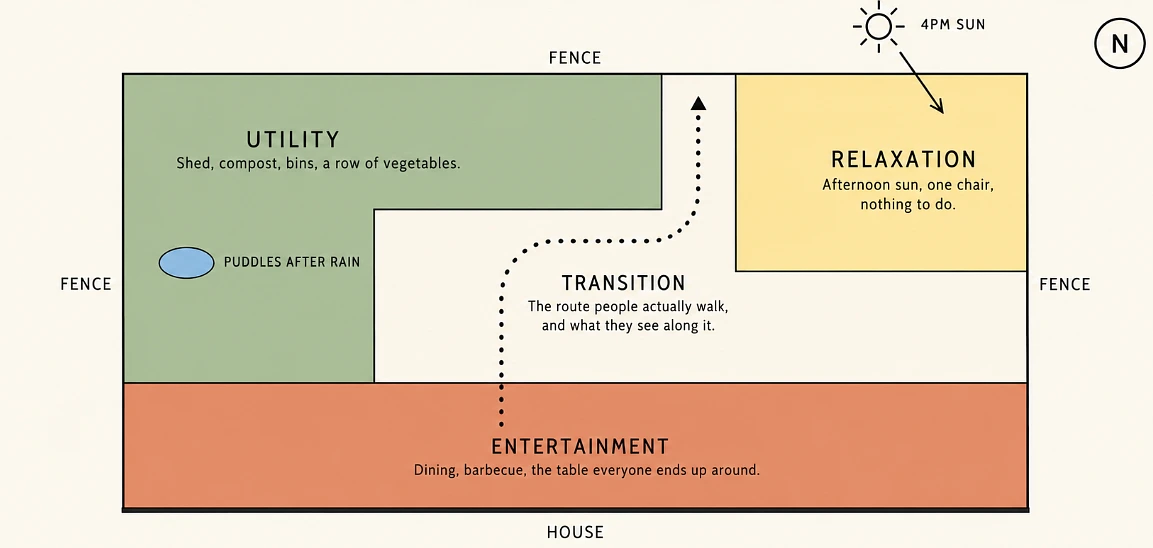
Conducting a detailed assessment of your garden is the first step towards any successful garden transformation. This will give you valuable insights into your garden’s current condition and the potential for your transformation. This means using the 4-Zone Analysis framework to systematically categorise your outdoor space. The framework divides your garden into four principal functional areas:
- Entertainment Zone: Areas designated for dining, barbecuing, and social gatherings.
- Relaxation Zone: Spaces for quiet contemplation, reading, or sunbathing.
- Utility Zone: Practical areas for storage, composting, or vegetable gardening.
- Transition Zones: Pathways, entries, and visual corridors that connect the other zones and guide movement.
An evaluation of sunlight patterns throughout the day will assist in the selection of plants as well as the location of seating. Take note of drainage issues and existing features worth keeping, as they will influence your design and costs. Landscaping costs typically range from £37 to £97 per square metre, with complex projects reaching £323 per square metre for larger projects.
Design Your Garden Layout for Maximum Usability

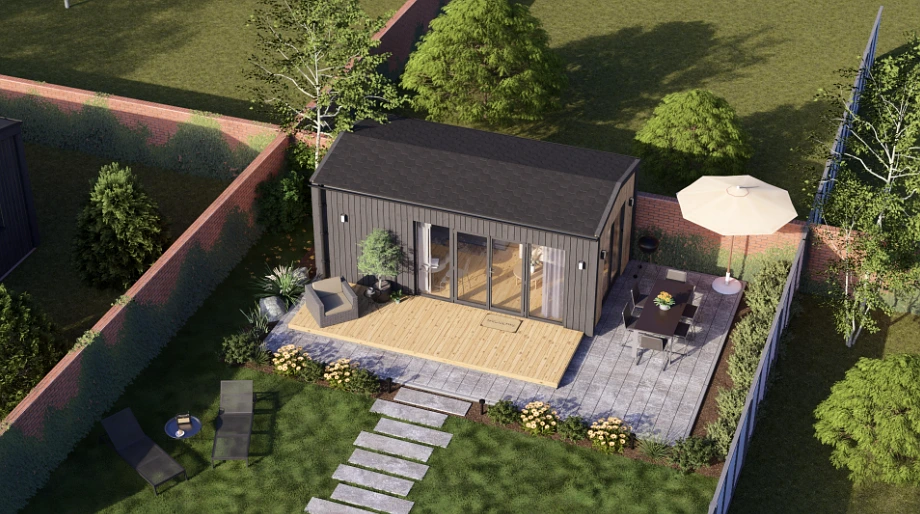
When you zone your garden so that it can be used in several ways, it won’t feel cramped. This approach ensures that all areas have a purpose while remaining visually pleasing. Take into account hardscaping, planting and open space ratios according to the 60-30-10 rule. The guideline suggests approximately 60 per cent hardscaping, 30 per cent planting and 10 per cent open space, although these proportions can be modified for smaller gardens. It is important that the flow and sightlines of the garden feel natural. Even a small garden can feel more spacious and inviting with good design.
Essential Hardscaping: Foundations of Your Garden Room Living Space
Hardscaping forms the structure of your garden living space, defining areas and creating durable surfaces for different activities. The choice of materials greatly affects both aesthetics and durability. Consider patios, decking or gravel areas based on your budget and their intended use. Poured concrete costs £40–£145 per square metre, while concrete pavers cost £118–£280 per square metre. Neat edges and garden paths define spaces and help contain materials, reduce maintenance and prevent grass encroachment. If you want to make your space usable in the evening, you’ll need outdoor lighting, which can cost £1,500–£3,400 for professional installation.
Furniture and Features That Make Gardens Liveable

Choosing the right furniture and features helps turn a garden room into a comfortable outdoor living space. These elements provide comfort, utility and visual appeal. Essential aspects include:
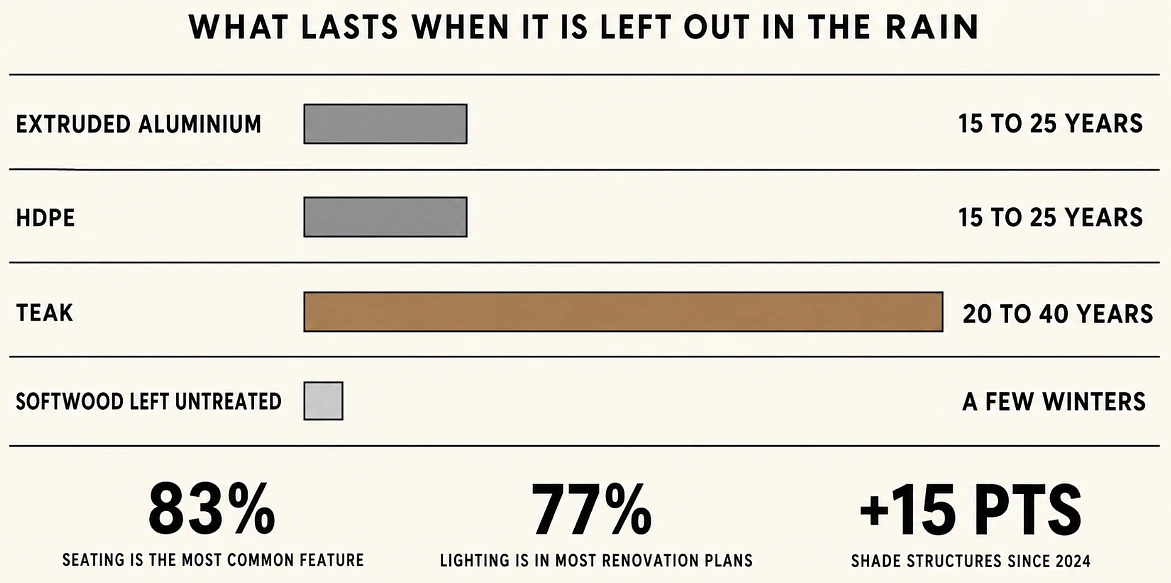
- Weather-Resistant Furniture: Choose materials like extruded aluminium or HDPE, which offer 15–25 years of outdoor life. Teak can last even longer, up to 20–40 years.
- Shelter Options: Pergolas, garden shelters or shade sails extend usability by offering protection from sun and light rain. Shade structures have seen a 15 percentage point increase in popularity since 2024.
- Value-Adding Features: Fire pits, water features, and outdoor kitchens enhance ambience and functionality. Outdoor lighting is also a top upgrade, appearing in 77 per cent of renovating homeowners’ plans.
Lounge or seating areas are the most common outdoor living feature, included in 83 per cent of renovated outdoor spaces.
Planting Strategy: Beauty with Purpose
A well-planned planting scheme ensures your garden has beauty and structure throughout the year, minimises maintenance and integrates with your home. Opt for plants suited to your soil and aspect that also have a functional purpose. Select hardy perennial plants and shrubs that provide structural interest all year round. Some examples are sedum, hardy geraniums, hosta, lavender and ornamental grasses, which help maintain the garden’s structure even when they are not in bloom. Fast-growing plants, such as tall grasses or evergreen shrubs, can offer privacy if placed strategically. To make the space a sensory delight, you can add aromatic herbs, different textures and seasonal colours.
Maintenance Systems That Keep Your Garden Looking Its Best
To maintain the beauty and functionality of your transformed garden without putting in excessive effort, you’ll need an efficient maintenance system. These systems optimise maintenance time and costs. Installing irrigation systems such as drip irrigation can reduce your water bills by up to 50 per cent. Taking 30 minutes a week to deadhead, weed and tidy things up can prevent small problems from escalating. Tasks such as mulching, pruning and winterising can extend the life of your investment when carried out according to the seasons.
Conclusion: Your Garden Transformation Timeline
Transforming your garden into your dream living space, whether through landscaping or the addition of a garden room, takes time and requires patience and a phased approach. Although hardscaping and planting can be completed reasonably quickly, a garden usually takes 2–3 years to look established and 3–7 years to reach full maturity. Focus first on elements that deliver immediate impact, such as comfortable seating and functional pathways, then layer in long-term projects such as planting mature specimens. Enjoy watching your outdoor space become increasingly beautiful over time.