


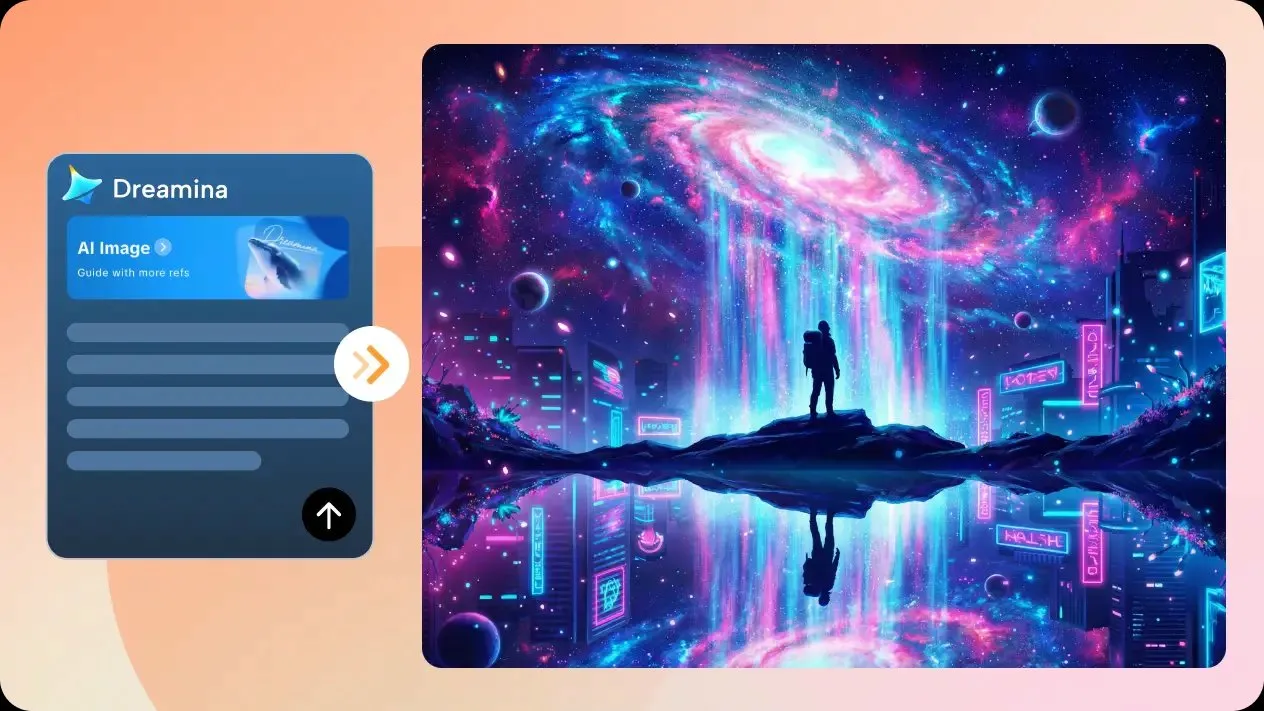
In every contemporary marketing effort, there is an unsung hero: the single image that launches the entire campaign. It may be one product image, clean, precisely composed, and versatile, that becomes the whole basis of a marketing campaign.
This hero image, in partnership with an AI image generator, is no longer treated and used in a straightforward and fixed way. It now becomes a powerful catalyst for banners, advertisements, landing pages, emails, and social media postings.

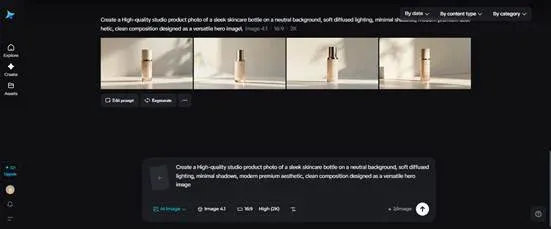
Tools like Dreamina make all this easier, quicker, and more fun. What once required multiple shoots and rounds and rounds of changes could now be recast with intelligent visual extension, style changes, and transformation—while still rooting all in a good image.
The hero image mentality: Looking beyond one frame
The smartest brands do not ask: “Does that image look good?” Rather, they ask: “How far will that image go?” The best hero image will always be built with scalability in mind. It will not limit itself to a single layout and single channel—it will scale.
This means planning for negative space, focal points, and designs that can be cropped, recolored, or reframed. The hero image then anchors the whole campaign visually, no matter what formats are being used.
One product, many personalities: how context shapes perception
Often, the same product can be made to seem bold and cool, cozy and luxurious, or playful, depending on how it’s shot and set into its visual context. A photo can feel more editorial with a tight crop or more lifestyle-oriented with a full-view composition.
Using a single photo, groups can develop:
- Clean e-commerce banners have a sharp focus. Banners serve
- Social media posts with casual structuring
- Ad creatives with dramatic lighting or color overlays
The product remains unchanged. The story differs.

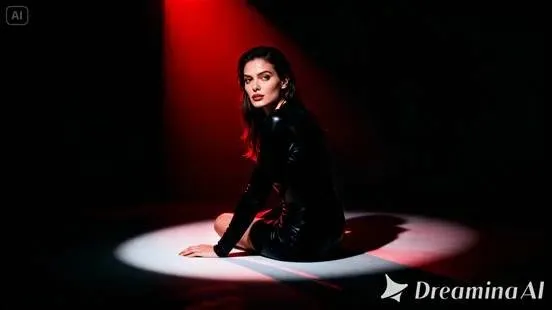
Resize without losing soul: Design for every screen
A campaign kit has to thrive everywhere—on websites and feeds and in inboxes and in ads. Each has different rules, of course, but it’s held together by the hero image. Smart resizing has also become critical because resize isn’t just about pixels—it’s about maintaining hierarchy.
Among the key factors and considerations:
- Ensuring that the product remains primary at all stages of agricultural production
- Use appropriate spacing so that the text does not overwhelm the visuals.
- Assuring an alive image viewing on smaller monitors
This marks the point where branding goes from simple resizes to recompositions.
When static imagery triggers motion
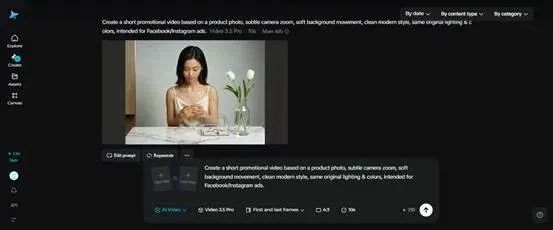
An image need not be static. Brands are now extending hero image concepts to motion content to be used in an ad or landing page. Through an existing image reference, an AI video generator can be used to produce simple platform-ready video content.
In these videos, the same product shot, lighting, and mood are reused, but for a different audience who prefers a dynamic presentation.
Sample video prompt: Short promotional video based on a product photo, subtle camera zoom, soft background movement, clean modern style, same original lighting & colors, intended for Facebook/Instagram ads.

Panel fragmentation and the breakdown of the image into a system
Instead of a product using an image repeatedly, an image is sliced into pieces for a brand. Background, text, highlights, and product separation are some of the elements that are manipulated in an image.
This method facilitates the following:
- Faster campaign scaling
- Visual variety without inconsistency
- Simplified localization for other markets
The hero image turns into a set of hero images, rather than a single image file.
Landing pages constructed via visual continuity
Landing pages work better when their design resembles the ads used to promote the content on them. Starting with the hero image helps ensure the user lands in the right spot. Colors, textures, and product shots feel like familiar territory.
Subtle variations, such as blurring the background of the images, work wonders in gaining adequate visitor engagement and maintaining consistency in the procedure.
Remixing without redesigning: Social feeds want variety, not duplication
On social media sites, repetition equals death for interest. Brands solve the problem of repetition by creating other social creatives or tutorials of the hero image. Crops vary. Backgrounds vary. Text positioning varies. But the product itself is easily recognizable.
This creates a balance between that which promotes sameness and that which will generate something new and innovative to keep the campaigns from getting
Creative styling via visual interpretation
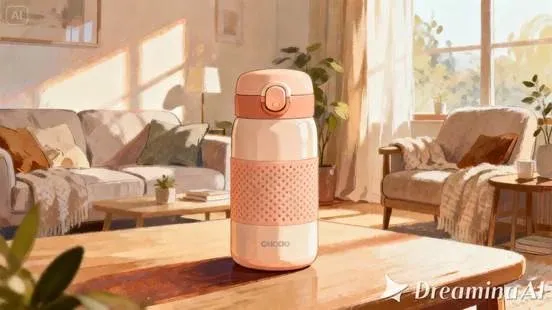
Dreamina’s AI art generator enables brands to restyle their hero shot in several artistic ways, including illustrated versions, textured environments, or mood boards. Such restyling possibilities are especially useful for creating designs related to seasons and offers for a temporary period.
Instead, brands recreate the products through digital restyling, which takes less time while offering more creative possibilities.
Sample art prompt: Artistic reinterpretation of a product photo in a soft, illustrative style, warm colors, texture, lifestyle background, retaining recognizable product form.
Consistency is the quiet superpower
When the campaigns are refined, it is likely because all the elements of the campaign, from the banners through the ads and the posts, all the way through the pages, have a collective feel that belongs in the same universe.
Having a strong hero image will help ensure that even as the design develops over time on different platforms, it will never lack identity.
From asset to ecosystem
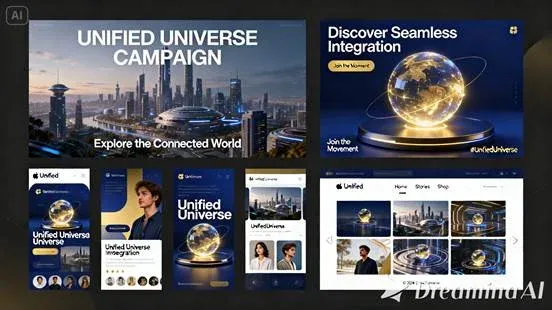
What has fundamentally changed in modern marketing isn’t the need for more visual content—it’s the need for smarter visual content. A single high-quality product image can now launch an entire product launch campaign when leveraged from the perspective of a visual ecosystem.
Dreamina is a tool that embraces such an attitude through its ability to help a brand grow, reinterpret, and adjust hero images without having to recreate them all over again. From the initial image to the result, everything is related.”
Ultimately, the strongest campaigns are created, not from dozens of scattered assets, but promoted from that one image that was created to go everywhere.