


Hair rarely gets difficult all at once. Usually, it happens gradually. The ends stop feeling smooth. Blow-drying starts taking longer. Fresh color loses that glossy look sooner than it used to. Even on a decent hair day, something feels slightly off – too fluffy, too dry, too flat, or somehow all three at different points from root to tip. That is the part people notice in the mirror but often misread. The instinct is to buy another mask, another oil, another “repair” product. Meanwhile, the shampoo stays the same, even though it is the product touching the hair first and setting up the whole wash day. Once that part of the routine starts working against the hair, everything after it turns into maintenance.
A good wash changes the whole mood of the routine
When shampoo is right, the rest of the routine suddenly feels less crowded. Hair does not ask for so much correction. It is easier to detangle. It dries with a smoother shape. It is less likely to turn puffy in one place and limp in another. That sounds simple, but it is actually the difference between a routine that feels expensive and one that feels like constant troubleshooting. Haircare gets sold as layering – shampoo, mask, oil, leave-in, serum – but most people can tell very quickly when the first step already feels wrong. No styling product can fully disguise that. If the lengths come out of the wash feeling hollow, the rest of the process starts from a losing position.
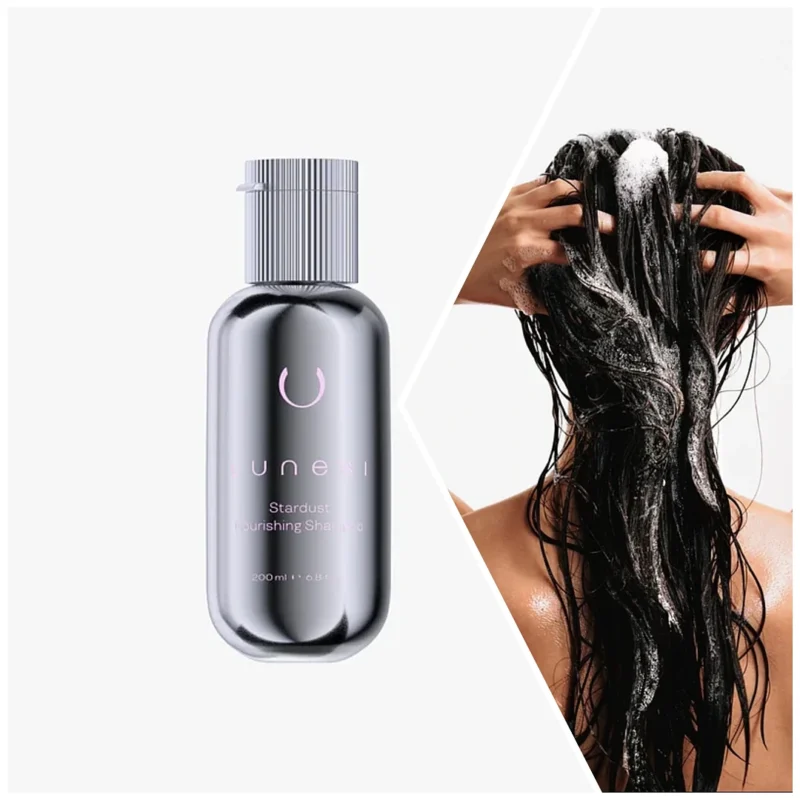
That is what makes Lunesi easy to place naturally in this conversation. The product page does not frame the shampoo as a basic cleanser. It frames it as the start of a hair ritual, with moisture, smoother texture, support for damaged strands, and protection for color vibrancy built into the pitch. It also gives a fairly practical use direction – a quarter-sized amount or less, worked through wet hands, massaged into the scalp, and repeated only when a deeper clean is needed after heavy styling. That kind of guidance matters because products aimed at nourishment tend to work best when they are not used as though more foam automatically means better cleansing.
Dryness is often quieter than people expect
Hair does not need to be in terrible condition to feel disappointing. That is what makes this category tricky. The damage may not be dramatic enough to justify panic, but it is there in the little things. The brush catches more than it used to. The ends stop reflecting light properly. Hair that looked fine after styling in the morning starts looking tired by late afternoon. Color can make this more obvious because once the surface gets rougher, the tone can look flatter even before it has actually faded much. The Lunesi page speaks directly to that kind of issue by describing the shampoo as helpful for preserving the vibrancy of color-treated hair while improving softness, shine, and manageability.
That promise lands because it matches how people actually talk about their hair when they are not trying to sound polished. They do not usually say it needs “total transformation.” They say it feels dry even though they condition it. They say it looks fine, but it does not feel nice. They say it used to behave better. Those are not dramatic complaints. They are ordinary ones. A nourishing shampoo tends to help most when hair is stuck in that in-between state – not ruined, not effortless, just never fully settled. In that space, even a slightly gentler, more moisture-aware wash can change a lot.
Ingredients matter more when they solve ordinary problems
Ingredient talk gets tiring when it turns into beauty poetry, but it becomes useful again when it connects to a real routine problem. On the Stardust page, niacinamide and hyaluronic-acid-based hydration are part of the formula story, alongside hydrolyzed collagen and PRODEW 500 amino acids. Lunesi says these are there to hydrate, support scalp circulation, improve smoothness, strengthen the hair structure, ease detangling, and help hair stay resilient. The page also names PCA, sodium PCA, and arginine as part of the wider formula.
The useful question is not what sounds fancy, but what leaves the hair easier to live with
That is really where people decide if a shampoo earns a place in the shower. Not while reading the label, but on the third wash. If wet hair is easier to comb through, that matters. If the ends stop feeling as brittle once dry, that matters. If the scalp still feels comfortable the next day and the lengths have not turned dull, that matters. The amino acid complex on the product page is specifically described as helping texture and easing detangling of wet hair, which is one of those small claims that feels more relevant than something grander because it points to a daily irritation nearly everyone recognizes.
Daily-use shampoos only make sense when they stay gentle after repeated washes
A lot of products call themselves suitable for everyday use, but that line means very little unless the hair still feels good after several washes in a row. The Stardust page makes that claim directly and pairs it with a note that the formula is suitable for all hair and scalp types, including sensitive, while also advising a patch test for anyone with sensitivities to niacinamide or hydrolyzed collagen. It is a small detail, but it helps the page feel less glossy and more grounded. The product is sold in a 200 ml bottle at £41 and is described as the first step in the wider Lunesi routine.
That matters because most routines are not neat. People wash after workouts, before events, after dry shampoo buildup, after using styling products, or just because the scalp reaches its limit sooner than the lengths do. A shampoo for real life has to leave enough softness behind so that repeated washing does not slowly wear the hair down. If it cannot do that, the “daily use” label does not really mean much. The stronger products in this category tend to be the ones that leave the scalp clean without making the rest of the hair feel as though it needs an apology.
Better hair usually begins when wash day stops causing extra problems
The most persuasive beauty products are not always the ones with the loudest promise. Sometimes they are the ones that remove one annoying problem from the routine and let the rest of the hair fall into place. That is the most believable way to think about a nourishing shampoo. It is not there to perform the entire routine on its own. It is there to stop making the hair harder to manage than it already is. Lunesi describes Stardust in exactly that first-step role, with softness, strength, shine, environmental protection, and color support as the visible results it is aiming for.
For anyone whose hair looks all right from a distance but feels dry, heavy, or slightly overworked up close, that kind of product can matter more than another styling fix. Once the wash itself becomes gentler and more supportive, the hair tends to show it. Not in a loud, overnight way. In a quieter one. The brush goes through more easily. The ends sit better. The shine holds a bit longer. Those are the changes people usually trust most, because they feel less like marketing and more like real life.