


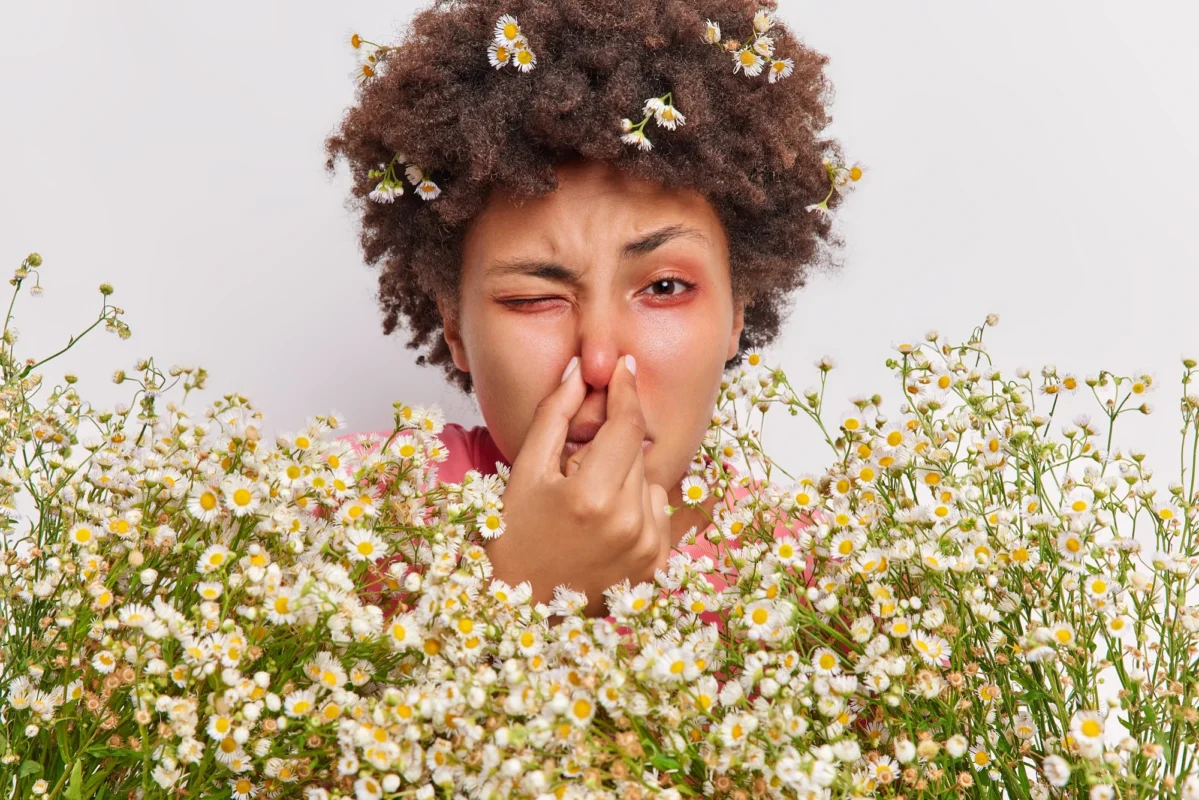
Longer pollen seasons driven by climate change, rising allergy rates across all age groups, and a 33% increase in prevalence over the past 20 years have made hay fever progressively worse for UK sufferers — but the right combination of medication, exposure reduction, and timely treatment access keeps it manageable.
Sixteen million people in the UK have hay fever — one in four of the population. Data from Allergy UK suggests the real number experiencing symptoms could be closer to 49%. The UK already ranks among the highest hay fever rates globally, behind only Japan, Brazil, and Australia. A University of Manchester study confirmed that prevalence has risen by a third in two decades, and 2025 was widely described across UK media as one of the worst seasons in recent memory.
The Season Is Getting Longer
England had 187.1 days with hay fever conditions in 2024, up from 152.5 in 1994 — an extra five weeks of pollen exposure that didn’t exist thirty years ago.
The UK Health Security Agency has noted that climate change is pushing some pollen types to appear as early as January or February. Warmer temperatures and higher CO2 levels extend the growing season and increase the volume of pollen each plant produces. Eight cities, including Plymouth, Brentwood, and Colchester, saw the biggest jump — 29 extra hay fever days compared to 1994. Edinburgh went from 117 hay fever days in 1994 to 153 in 2023. Nine out of ten UK sufferers are allergic to grass pollen specifically, which peaks during June and July — exactly when GCSE and A-level exams happen. Research cited by Click2Pharmacy found that 88% of affected children experience sleep problems during peak season, contributing to lower exam marks.
What It Costs
Hay fever costs UK businesses an estimated £7.1 billion a year in lost productivity, with one in five sufferers needing time off work and a third lying to managers about the reason. The wider workplace illness picture makes this worse. Its research for UK businesses showed that the direct cost of worker sickness to UK businesses reached £103 billion in 2023, a rise of £30 billion since 2018, with presenteeism (people working while not well) accounting for £25 billion of that increase. Hay fever is one of the most prominent causes of presenteeism because it rarely seems severe enough not to come into work, but the fatigue, poor concentration and disrupted sleep that follow linger for months across whole teams.
Treatments That Work
Antihistamines are the first-line treatment, with loratadine, cetirizine, and fexofenadine being the three most commonly prescribed in the UK, spiking in demand every June according to OpenPrescribing data.
Loratadine and cetirizine handle mild to moderate symptoms and are available over the counter. Fexofenadine is stronger, less sedating, and prescription-only at higher doses. For people whose symptoms aren’t controlled by supermarket options, The Independent Pharmacy offers prescription-strength treatments like fexofenadine through online consultations — practical when GP appointments are hard to get during peak season.
Nasal sprays, such as fluticasone or mometasone, tend to work better than tablets alone for congestion and can be paired with antihistamines. Using them two weeks before your usual onset of symptoms allows time for it to build in effectiveness. For severe cases that do not respond to medication, allergen immunotherapy via NHS specialist clinics progressively desensitises the immune system over a three- to five-year period.
How to Reduce Exposure
Reducing contact with pollen through timing, barriers, and indoor air management cuts symptom severity alongside medication.
Pollen counts peak in early morning and early evening — shifting outdoor exercise to midday reduces exposure. Showering and changing clothes after time outside prevents pollen transfer to furniture and bedding. Drying laundry outdoors on high-count days means sheets collect pollen before use — tumble dryers or indoor airers during peak season make a measurable difference. Wraparound sunglasses shield the eyes. Vaseline around the nostrils traps pollen before it enters the nasal passages — a near-zero-cost measure that consistently appears in NHS guidance. HEPA filter air purifiers and HEPA-equipped vacuums reduce airborne and settled pollen indoors.
When to See a GP
If over-the-counter antihistamines and nasal sprays aren’t controlling symptoms after two to three weeks of consistent use, a GP can prescribe stronger options or a specialist referral.
Sleep disruption is a key trigger for seeking help — 88% of affected children report it during peak season, and the knock-on effects on concentration, mood, and daily function warrant medical attention rather than pushing through. Hay fever sufferers are four times more likely to have asthma, and poorly managed hay fever can trigger asthma flare-ups during high pollen days. The NHS website saw searches for hay fever advice double during the 2025 season. GP capacity during peak months is stretched, which is why online pharmacy consultations have become a practical route for people who know their symptoms and need prescription access without a multi-week wait.
This Isn’t Going Away
Every relevant dataset — pollen season length, symptom prevalence, allergy rates, climate projections — points toward hay fever becoming more widespread and more severe in the UK over the coming decades.
The European Academy of Allergy and Clinical Immunology projected that, by 2025, half the population in Europe would be affected by some form of allergic sensitivity. Allergies incur an estimated £1 billion per year cost to the NHS. In 2023/24, hospital visits for pollen-induced allergic rhinitis were over 20 times higher than in 2002/03. Managing hay fever well — using the medication earlier, minimising exposure more consistently, getting stronger prescriptions when necessary — matters more today than a decade ago because seasons now last longer and have higher pollen counts, while the population that suffers keeps increasing.