


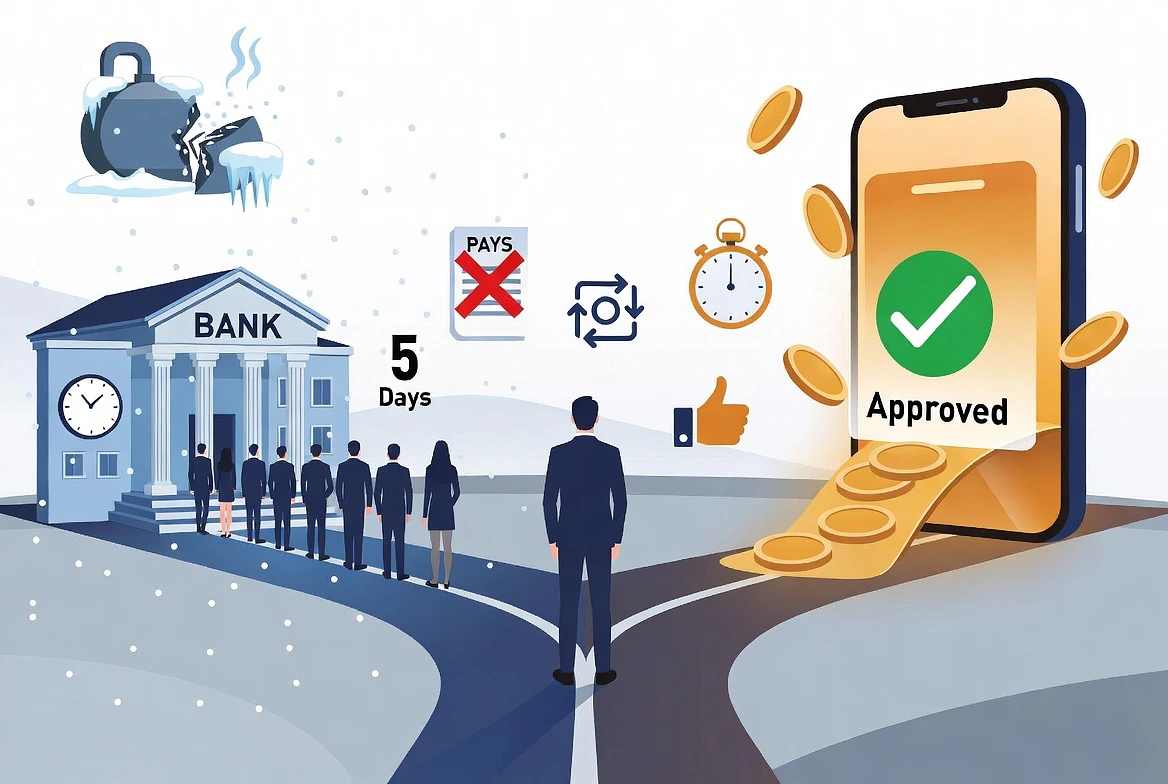
Why people skip the bank and go direct:
You’re staring at a boiler repair quote for £1,800. It’s February. The house is freezing. Your bank’s app says the personal loan application will take “up to five working days for a decision.” Five days without heating, with two kids in the house, in the middle of winter.
That’s the moment most people discover direct lenders exist.
- Banks take too long — the article opens with a 5-day personal loan decision window as the trigger point, when waiting simply isn’t an option.
- Banks require payslips from the last 3 months — useless if you just started a new job 6 weeks ago.
- Banks use rigid tick-box affordability models that can’t read real financial situations.
- No branch visit, no appointment, no sitting across from someone who’s already decided you don’t fit.
- Direct lenders use open banking to look at actual account activity over 90 days — seeing what banks can’t.
Not because they planned to. Not because they were shopping around for financial products. Because the bank said wait, and waiting wasn’t an option.
What Direct Lenders Actually Are

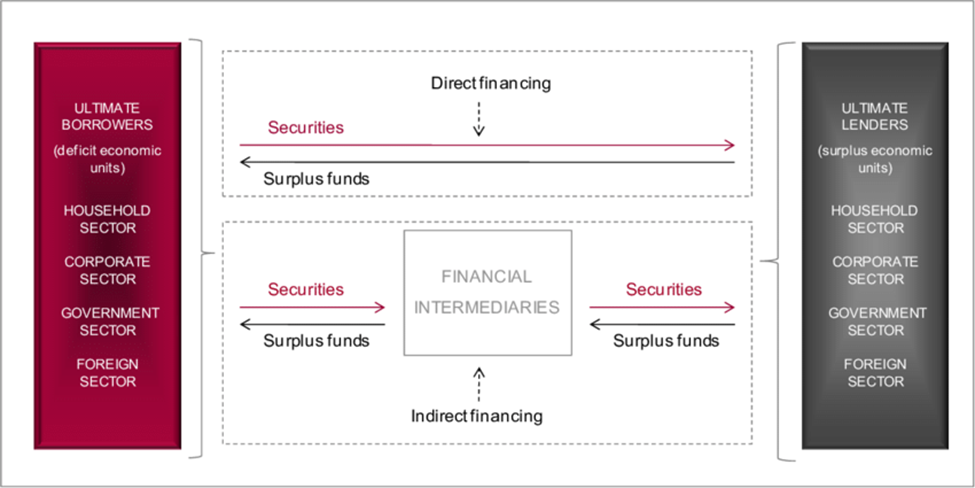
A direct lender is exactly what it sounds like — a company that lends you money directly, without a broker or middleman sitting between you and the decision. You apply to them. They assess you. They fund you. You repay them. One relationship, start to finish.
This is different from a broker, who takes your application and passes it around to multiple lenders on your behalf. Brokers can be useful — they show you several options at once — but they add a layer. Some charge arrangement fees. Others share your details with lenders who run hard credit searches before you’ve even agreed to anything, and suddenly your credit file has three new marks on it from a Tuesday afternoon of comparison shopping.
Direct lenders skip that entirely. In the UK, they cover everything from personal loans between £1,000 and £25,000 to short-term credit, debt consolidation, guarantor loans, and business finance. Some specialise in people the high street banks don’t want to deal with — self-employed workers, freelancers, anyone whose income doesn’t arrive in neat monthly payslips.
How the Process Works When You Apply
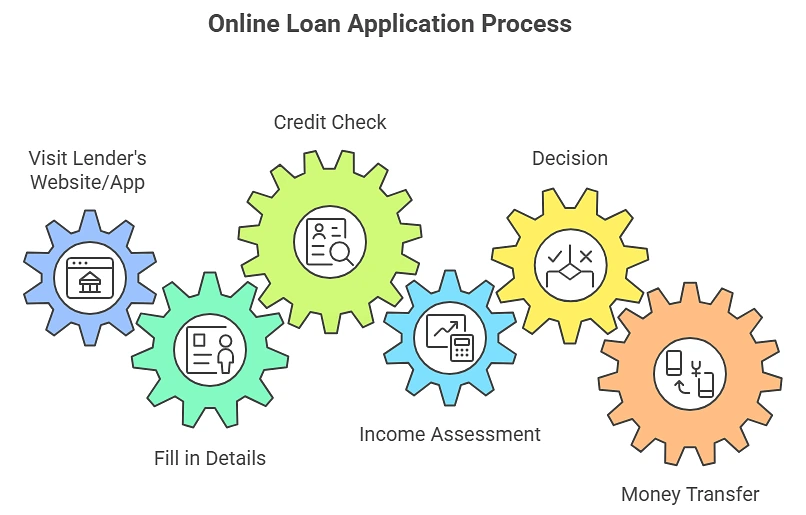
The mechanics are simple enough. You go to the lender’s website or app, fill in your details, and they run a credit check — usually a soft search first, so it doesn’t leave a footprint on your credit file. They assess your income against your existing commitments. A decision comes through, often within minutes for smaller amounts. If you’re approved, the money lands in your account the same day or the next morning.
No branch visit. No appointment. No sitting across a desk from someone who’s already decided you don’t fit the criteria before you’ve finished explaining why you need the money.
That speed is the main draw. But it’s also the thing that needs the most caution, because borrowing money in ten minutes doesn’t mean you’ve had ten minutes to think about whether you should.

The Boiler, the MOT, and the Gap Between Jobs
The scenarios that push people toward direct lenders are rarely glamorous. Nobody’s borrowing £3,000 because things are going well.
You’re looking at a failed MOT and the garage wants £900 for repairs before they’ll let the car back on the road. Without the car, you can’t get to work. Without work, you can’t pay rent. The bank wants payslips from the last three months, but you just started a new job six weeks ago and only have one. A direct lender that uses open banking to look at your actual account activity over the past 90 days might see what the bank’s tick-box system can’t — that money has been coming in steadily and going out responsibly.
Or maybe it’s December. Christmas got away from you. Three credit cards are carrying balances at 29%, 34%, and 22% APR, and the minimum payments are eating £280 a month without touching the principal. A consolidation loan at 15% APR from a direct lender rolls all three into one payment at a lower rate. It’s not ideal — 15% is still expensive — but it’s better maths than what you’re currently paying, and one direct debit is easier to manage than three.
These are real situations. They happen constantly. And the high street banks, with their rigid affordability models and five-day processing times, often aren’t set up to respond to them.
The One Thing You Must Do Before Anything Else
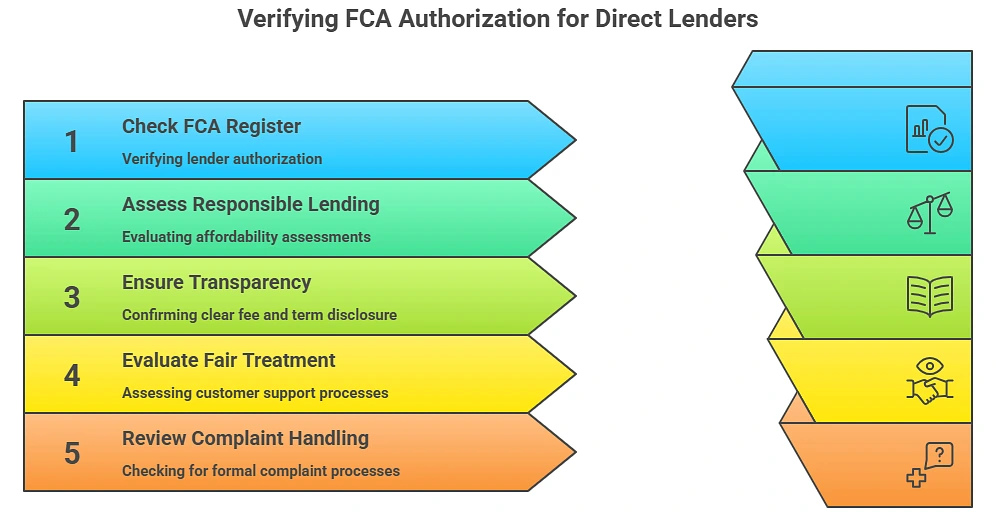
Check the FCA Financial Services Register. Every legitimate direct lender operating in the UK must be authorised and regulated by the Financial Conduct Authority. If they’re not on the register, walk away. Don’t apply. Don’t give them your details. Don’t send money.
This isn’t a technicality. The FCA received over 10,379 reports of fake FCA scams in 2024 alone, with 991 people actually handing over money. Loan fee fraud — where someone posing as a lender asks you to pay an upfront “processing fee” or “insurance deposit” before releasing your loan — is one of the most common scam types reported to the regulator.
How the scam actually works
You’ve filled in a loan application somewhere online. A few hours later, your phone rings. Someone professional-sounding says you’ve been approved for £5,000. There’s just a small admin fee of £150 to release the funds. You pay it by bank transfer. Then they need another £75 for insurance. Then £50 for a reference check. The loan never arrives. The number stops answering.
The FCA’s data shows victims lose an average of £255 per incident, but losses can run into thousands. In 2024, loan fee fraud reports to the FCA consumer helpline increased by 44% compared to previous years, with over £3.5 million lost annually to this type of scam.
The rules are simple: no legitimate lender will ever ask you to pay a fee upfront before releasing funds. Real lenders deduct any fees from the loan amount itself. If someone asks you to transfer money before you receive a loan, it’s a scam. Report it to Action Fraud on 0300 123 2040 and to the FCA.
How Direct Lenders Are Regulated in the UK
All direct lenders operating legally in the UK must be authorised and regulated by the Financial Conduct Authority (FCA). This is a fundamental consumer protection that every UK borrower should verify before applying for any credit product.
FCA authorisation means the lender must meet strict standards in several areas:
• Responsible lending: Lenders must carry out proper affordability assessments before approving a loan and must not lend to borrowers who cannot afford to repay
• Transparency: All fees, interest rates, and terms must be clearly disclosed before the borrower signs any agreement
• Fair treatment: Lenders must treat customers fairly, including those in financial difficulty, and must have processes in place to support borrowers who fall into arrears
• Complaint handling: FCA-authorised lenders must have a formal complaints process, and unresolved complaints can be escalated to the Financial Ombudsman Service
• Data protection: Lenders must comply with UK GDPR in how they collect, store, and use personal data
You can verify whether a lender is FCA-authorised by searching the FCA Financial Services Register. This takes less than a minute and should be a standard step before applying to any direct lender you have not used before. If a lender is not on the register, do not proceed.

FCA Consumer Duty
Since July 2023, all FCA-regulated firms, including direct lenders, have been required to comply with the Consumer Duty. This rule sets a higher standard of consumer protection, requiring lenders to demonstrate that their products and services deliver good outcomes for customers rather than simply meeting minimum regulatory requirements. For borrowers, this means you are entitled to expect clearer communication, fairer pricing, and better support if things go wrong.
What It Actually Costs — Because Nobody Talks About This Clearly Enough
You’re borrowing £3,000 over 24 months. Here’s what the total repayable amount looks like at different APRs:
At 9.9% APR (competitive rate, strong credit profile): total repayable roughly £3,310. Monthly payment around £138. This is the kind of rate you’d see from digital-first lenders competing with the high street.
At 24.9% APR (mid-range, average credit): total repayable roughly £3,810. Monthly payment around £159. This is where many direct lenders sit for borrowers with decent but imperfect credit histories.
At 49.9% APR (higher-risk borrower, thin credit file): total repayable roughly £4,620. Monthly payment around £193. The same £3,000 now costs you an extra £1,620 in interest. That’s more than half the original loan again.
The monthly difference between 9.9% and 49.9% is £55. Doesn’t sound catastrophic. But over two years, you’re paying an extra £1,310 — money that could have gone somewhere else entirely. Always look at the total repayable figure, not just the monthly amount. The monthly payment is the question. The total repayable is the answer.
Risks and Considerations: What UK Borrowers Should Watch Out For

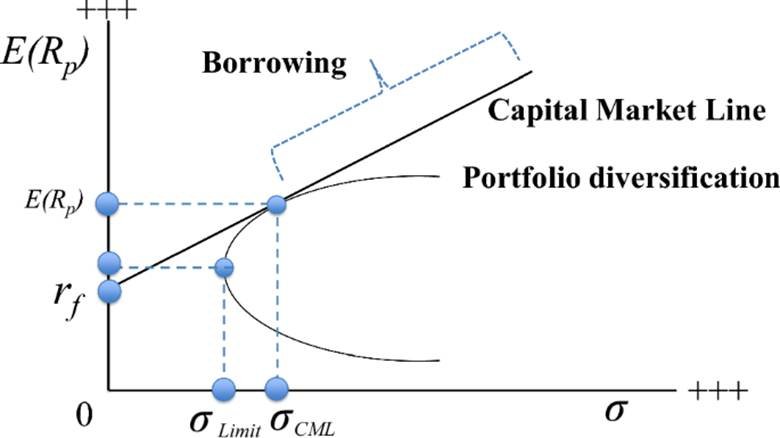
Higher Interest Rates for Higher-Risk Borrowers
The accessibility of direct lending can come at a cost. Borrowers with impaired credit histories or limited income documentation may be offered loans at significantly higher APRs than those available to prime borrowers. It is important to calculate the total cost of borrowing, not just the monthly repayment, before committing to any loan. The Money and Pensions Service offers free, impartial guidance to UK consumers on managing borrowing costs.
The Risk of Unlicensed Lenders
Not every company presenting itself as a direct lender is authorised by the FCA. Loan scams and illegal lending operations targeting vulnerable consumers remain a serious issue in the UK. The FCA publishes a Warning List of unauthorised firms that consumers can check before engaging with any new lender. If a lender contacts you unsolicited, asks for an upfront fee before releasing funds, or pressures you to decide quickly, these are significant warning signs.
The Impact on Your Credit Score
Applying to multiple direct lenders in a short period can result in several hard credit searches being recorded on your file, which can temporarily reduce your credit score. To avoid this, look for lenders who offer a soft search or an eligibility check before a full application. These do not affect your credit rating and allow you to see the likelihood of approval before committing to a full search.
Avoiding Over-Borrowing
The speed and accessibility of direct lending can make it easy to borrow more than is necessary or more than can comfortably be repaid. The FCA’s affordability rules are designed to prevent irresponsible lending, but borrowers also carry a responsibility to be honest about their financial circumstances when applying. If you are already managing existing debt, consider speaking to a free debt advice service before taking on additional credit.
The Types of Direct Lender You’ll Actually Encounter
Personal loan lenders — unsecured loans, typically £1,000 to £25,000, repaid over one to seven years. The bread-and-butter product. Some of the most competitive rates come from digital-only lenders with lower overheads than traditional banks.
Short-term lenders — smaller amounts, £100 to £1,500, repaid over weeks or months. This is the category that used to be called “payday lending” before the FCA intervened in 2014-15 with price caps and stricter affordability rules. The market consolidated heavily. What’s left is more regulated and less predatory than what came before, but interest rates remain significantly higher than longer-term products.
Guarantor loan lenders — for borrowers with limited or damaged credit who can provide a creditworthy friend or family member as a guarantor. Both parties need to fully understand the obligations. If you can’t pay, your guarantor is legally responsible. That’s a conversation worth having honestly before anyone signs anything.
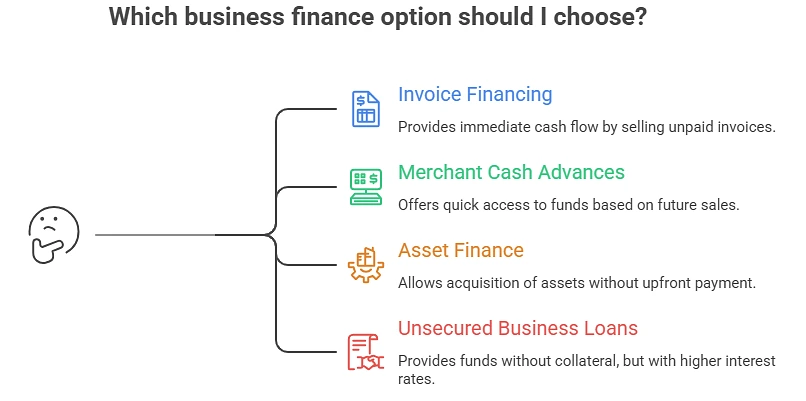
Business finance lenders — invoice financing, merchant cash advances, asset finance, unsecured business loans. These filled the gap left when mainstream banks pulled back from SME lending after 2008. The British Business Bank publishes guidance on the full range of business finance options if you’re exploring this route.

When Direct Lending Isn’t the Right Answer
Sometimes the honest answer is that borrowing isn’t what you need right now. If you’re already managing existing debt and considering a loan to cover daily living costs, that’s a sign of a deeper problem that a loan will make worse, not better.
Before borrowing from anyone — bank, direct lender, or otherwise — it’s worth speaking to a free advice service first:
MoneyHelper (moneyhelper.org.uk) — free guidance on borrowing, budgeting, and debt management.
StepChange (stepchange.org) — free tailored debt advice, including exploring alternatives to borrowing.
Citizens Advice (citizensadvice.org.uk) — free legal and financial guidance, including your rights when dealing with lenders.
National Debtline (nationaldebtline.org) — free phone and online debt advice.
These services exist specifically so that people don’t borrow their way into worse trouble. They’re confidential, they’re free, and they’re staffed by people who’ve seen every situation imaginable.
The Honest Version
Direct lenders serve a real purpose. They’re faster than banks, more flexible with non-standard borrowers, and regulated to the same FCA standards as anyone else in the market. For genuine, manageable borrowing needs — a boiler, a car repair, a consolidation that genuinely improves your monthly position — they can be the right tool.
But speed and accessibility cut both ways. The same features that make direct lenders useful in an emergency also make it easy to borrow without pausing to think properly. The scam risk is real and growing. The cost difference between a competitive APR and a high-risk APR is substantial over the life of a loan.
Check the FCA register. Calculate the total repayable amount, not just the monthly figure. Talk to a free advice service if there’s any doubt about affordability. And if someone asks you to pay a fee before releasing your loan, put the phone down.
As the old saying goes — neither a borrower nor a lender be. Shakespeare was probably right in the general case. But when the boiler’s broken and it’s February, pragmatism beats poetry every time.
Free Support and Impartial Debt Advice for UK Borrowers
If you are considering a direct loan because of existing financial difficulty, or if you are unsure whether borrowing is the right solution for your situation, there are several free, impartial services available in the UK that can help.
• MoneyHelper (formerly Money Advice Service): Provides free guidance on borrowing, budgeting, and debt management. Available at moneyhelper.org.uk
• StepChange Debt Charity: Offers free, tailored debt advice and can help you explore alternatives to borrowing. Available at stepchange.org
• Citizens Advice: Provides free legal and financial guidance, including advice on your rights when dealing with lenders. Available at citizensadvice.org.uk
• National Debtline: A free phone and online debt advice service. Available at nationaldebtline.org
These organisations can help you assess whether a loan is the right option, whether there are better alternatives, and how to manage your borrowing safely if you do decide to proceed.
This article is for informational purposes only and does not constitute financial advice. All borrowing carries risk. Readers should verify FCA authorisation, compare total costs, and seek independent guidance before taking on any credit product.