


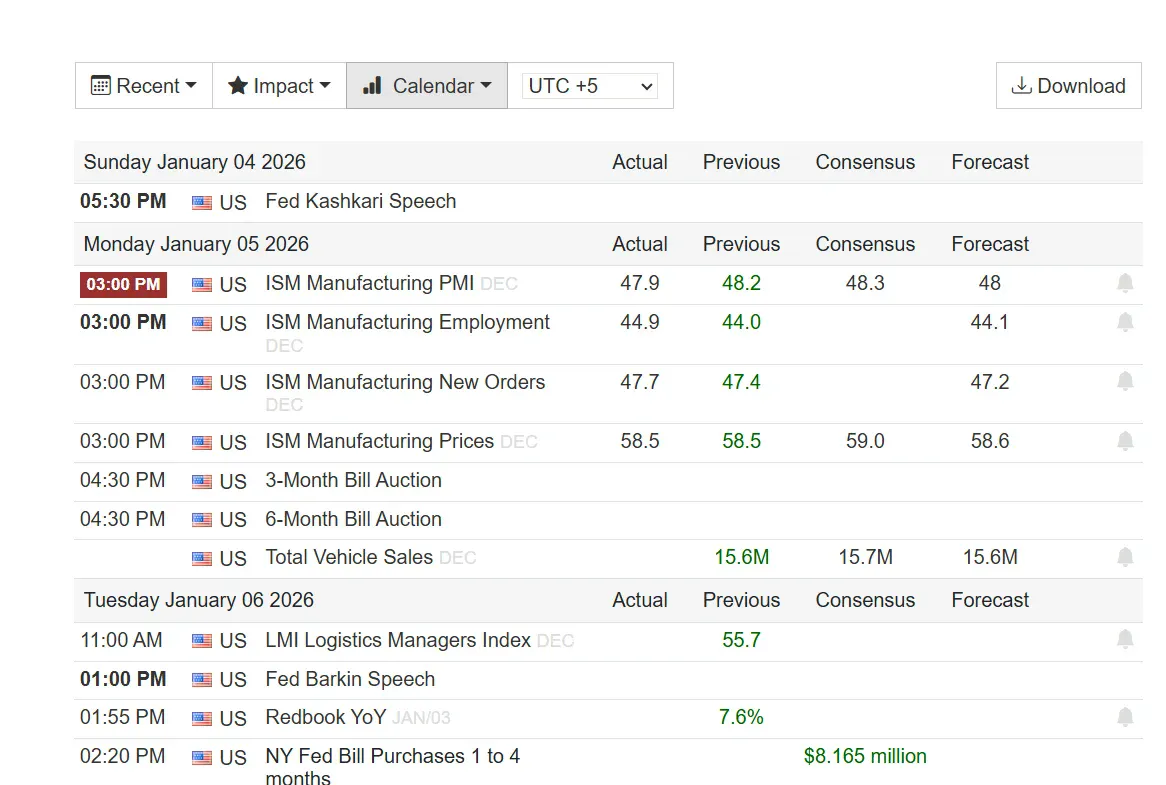
Small retail traders enter the market, often very excited about company stories, quarterly numbers, and big earnings surprises. However, the real movements that shape price trends actually begin long before any of these reports are released. The US economic calendar then becomes a map that shows the direction of the entire market and provides traders with a clearer view of what’s happening beneath daily price action. When traders understand these macro signals, they make decisions on solid ground instead of reacting to isolated earnings updates. This shift helps them avoid confusion, panic, and rushed exits, allowing them to make smarter decisions with clarity.
7 Reasons:

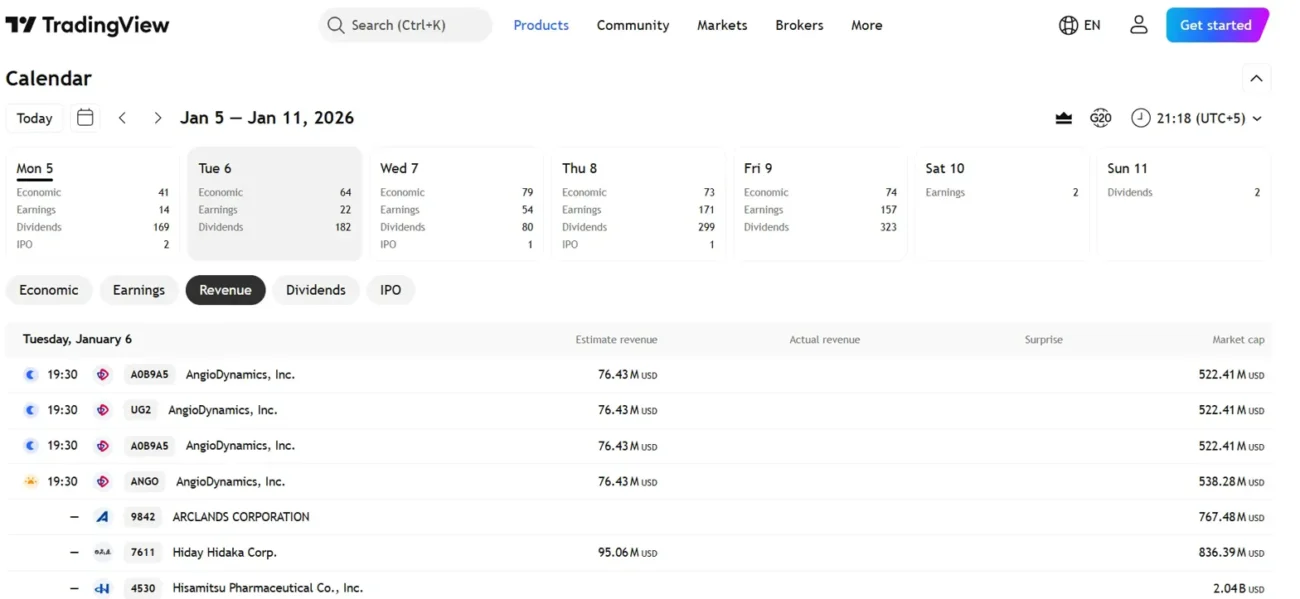
- Macro Conditions Are the First Driver of Market Trends: Every stock, regardless of the industry, moves within the boundaries of a bigger economic picture. Long before a company decides upon its hiring and spending strategies or announces price hikes, it responds to pressures of inflation, expectations of interest rates, and consumer behavior. These signals become visible through the economic calendar much earlier than earnings releases do. To smaller retail traders, who have less capital at their disposal, these early signals are a tremendous boon. They indicate whether the market is entering into a strong cycle, a risk-on phase, or a cautious environment. As traders consistently monitor them, they begin to see why sectors move in tandem, regardless of the performance at the individual company level.
- Sector Strength Starts with Economic Indicators, Not Earnings: Earnings may show how a single company performed, but economic indicators reflect how an entire category of businesses is behaving. When consumer confidence is rising, retail benefits. When manufacturing surveys indicate weakness, industrial stocks feel the impact. When inflation cools down, tech and growth sectors gain strength. The US economic calendar neatly outlines these events, allowing traders to read the market like a story, rather than react to every event out of context. This broader view helps small retail traders avoid buying into a stock that reports strong numbers but belongs to a sector affected by weak macro conditions.
- Earnings Look Different When Seen Through a Macro Lens: It is common to see a new trader who gets confused when a stock reports strong profits, but the price drops. Those reactions seem unfair or random without an understanding of the economic background. But when traders follow inflation numbers, job data, productivity reports, and spending trends, they see the bigger influence shaping investor expectations. Many stocks react more to what the economic indicators predict for the future than to the numbers a company reports for the past quarter. When traders have this awareness, earnings stop being a mystery and start becoming just one piece of a larger picture.
- Economic Releases Move Markets Much Faster Than Earnings: While earnings reports can create sudden moves in individual stocks, economic releases can move the whole market in a matter of seconds. Key updates impact interest rates, currency strength, and long-term outlooks. Most often, macroeconomic events bring the biggest volatility of the month. To a small retail trader, this kind of volatility is very risky because they may not necessarily be aware of upcoming announcements. Having an eye on the US economic calendar helps traders avoid opening new trades seconds before major data releases. Likewise, it allows them to plan entries and exits well in advance.
- Economic Awareness Reduces Noise: Earnings season is filled with hype, speculation, and dramatic reactions. Many stocks move sharply before or after earnings only to return to their earlier trends once the excitement settles. Traders who depend strictly on earnings often get caught in emotional trades or enter at the wrong moment. On the other hand, traders who see economic indicators can understand the trend beneath all the noise. This understanding helps them stay with stable strategies rather than pursue temporary moves. Keeping track of macro indicators builds patience and discipline, which are essential for any trader to grow their account safely.
- Economic Trends Help Predict Earnings Outcomes in Advance: A huge benefit of tracking macro indicators is that they often predict what earnings might look like weeks in advance of company releases. If consumer spending increases, revenue is likely to rise. If supply chains improve, margins could recover. These trends are very evident on the US economic calendar. Smaller retail traders who follow these signals have a good idea of which sectors might surprise to the upside and which ones might lag. This preparation makes earnings season far easier to navigate.
- Macro Signals Protect Traders from Unexpected Moves: Many sudden price drops or spikes are not a consequence of news in companies, but a reflection of changes in economic expectations. A single jobs report, inflation update, or policy comment can simultaneously impact the prices of thousands of stocks. Retail traders who do not follow economic data often find themselves in bewilderment when this happens, thinking that the stock’s performance is the reason for its reaction. But those who watch the economic calendar understand the real reason for such movement. This knowledge protects them from unnecessary losses and helps them stay calm in the most volatile moments.
- Sentiment Across the Market Comes from Economic Conditions: Investor sentiment drives stock prices rather than company achievements. If the economic outlook is worrying, even great earnings may fail to lift a stock. If the economic outlook is improving, even average results may push prices higher. The emotional side of the market, ranging from fear to optimism, is largely influenced by the general state of the economy. Small retail traders who follow the US economic calendar understand why certain market moods appear and how they influence price action. It allows them to choose trades in the right direction rather than against it.
In conclusion, it is at this point that small retail traders begin to gain a significant advantage as they shift their focus from the earnings results of individual companies toward the broader market signals driving the market. The US economic calendar yields vital data that guides sentiment, influences policy, and sets expectations well in advance of earnings releases. By closely watching these leading indicators, traders can understand the actual causes of price changes, identify areas to avoid excessive risk, and develop strategies with a clear view rather than relying on speculation. These tools enable them to trade smarter, safer, and with greater insight into the market’s direction.