

Blog
How to Get Your Motorhome Ready for Winter Touring

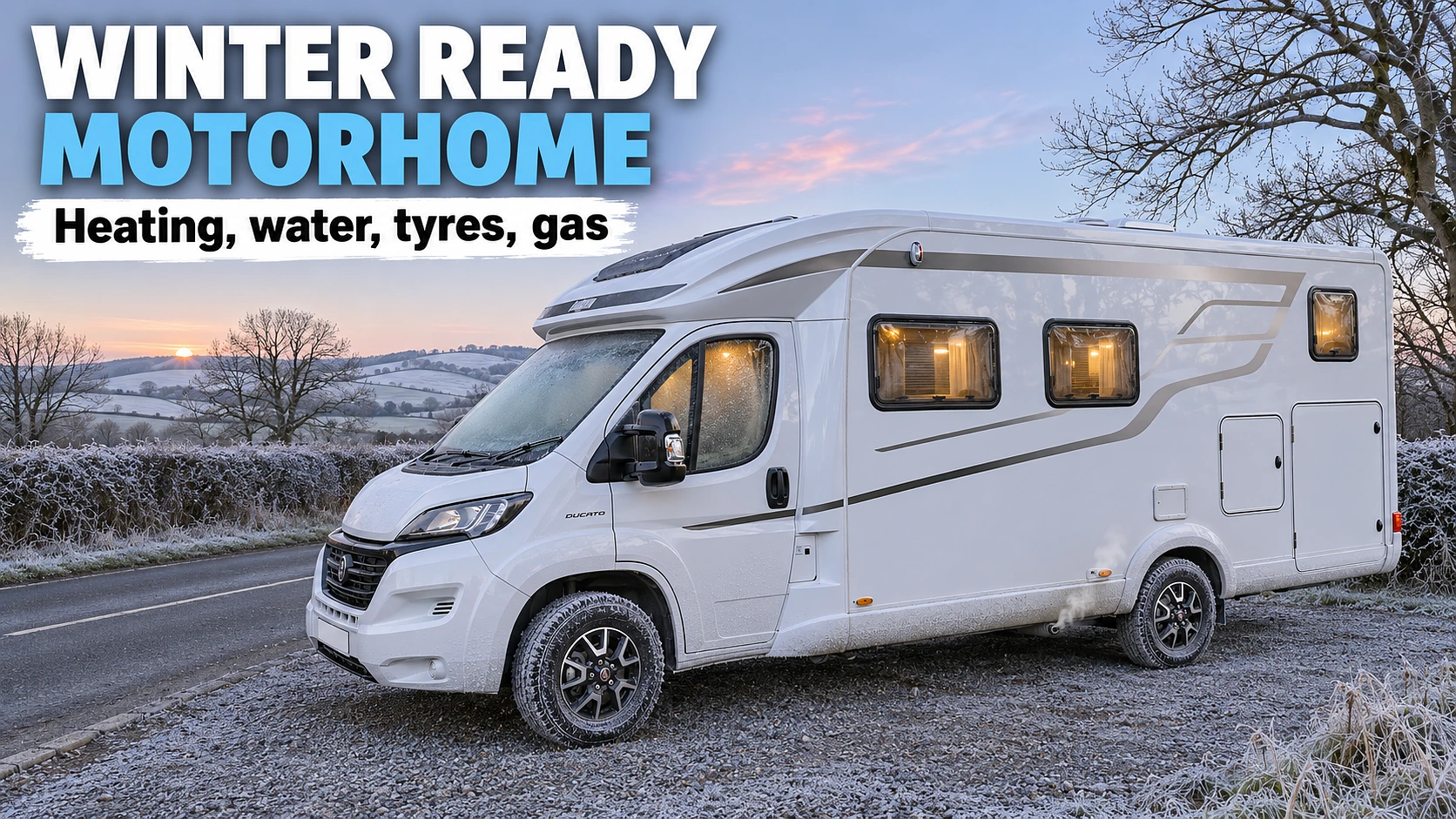
Welcome to Noodle Magazine. So you’ve been enjoying your motorhome throughout the main camping season, but winter is on its way. In the old days you’d probably have been thinking about putting your van into storage until next year, but today’s vehicles are designed for use all year round. Before you go anywhere, it’s a good idea to familiarise yourself with your motorhome insurance policy, so you know what it says about winter use and driving abroad. After that, Noodle Magazine’s test editor, Shahina Khan, is here to highlight some of the other things you might like to consider before you head out on a winter tour.
Check Whether Your Motorhome Is Built for Winter
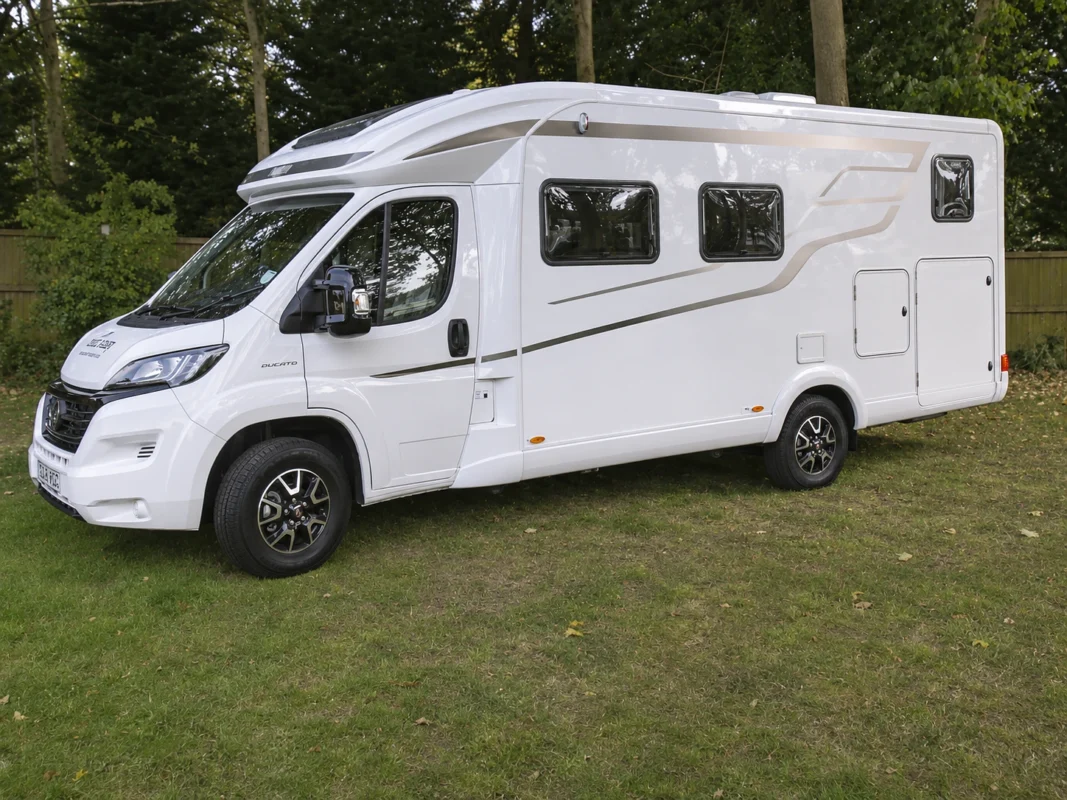
Today’s motorhomes can normally be classified into two types: those designed for winter touring, and more basic ones that are really for the warmer months only. One quick way to get an idea of which type you’re looking at is to check underneath to see if the pipework and tanks are insulated. The Hymer we tested is from a German manufacturer that sells into Scandinavia and other countries that regularly enjoy much lower temperatures than the UK, so it’s already set up for winter touring. But there are still some things you might like to think about. Look out for at least grade three insulation standard on a motorhome, as this means it’s been tested for UK winter conditions.
Switch to Propane Gas When It Drops Below 5°C
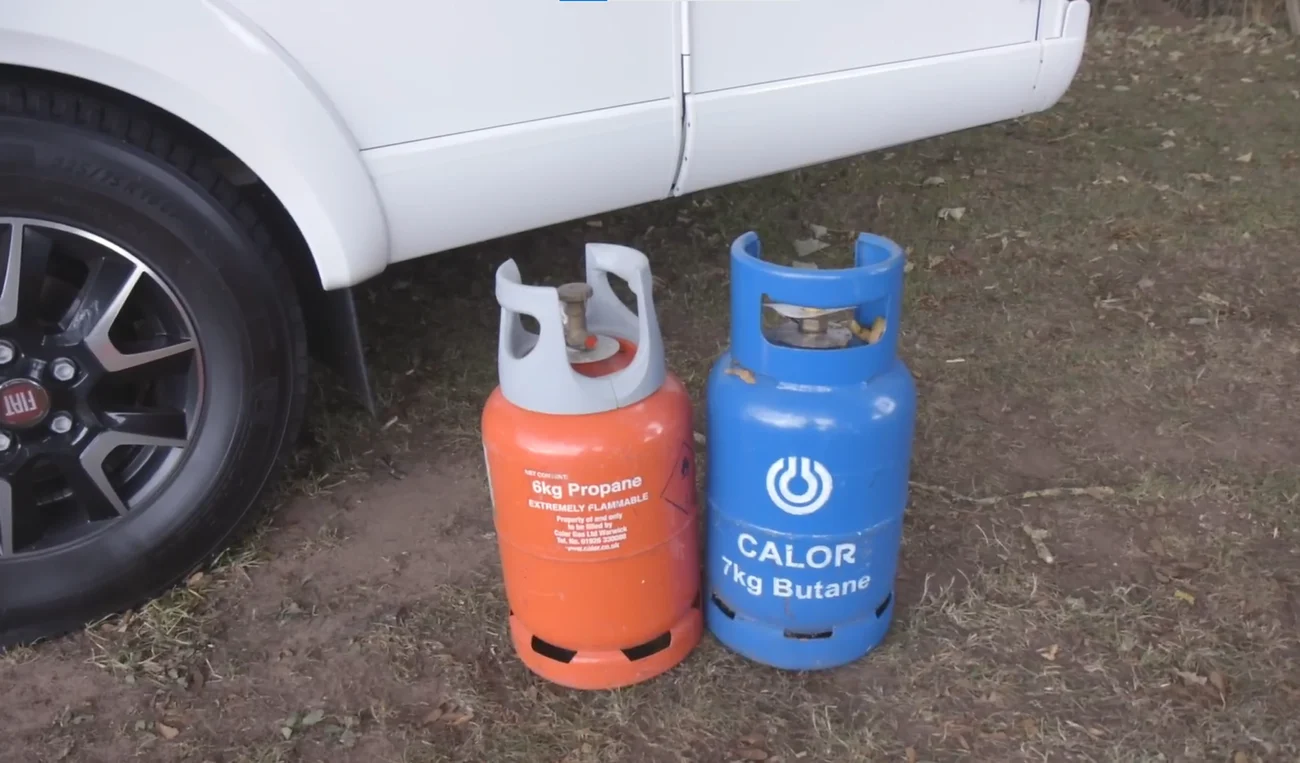
When you’re looking at your own tourer, you’ll want to keep warm inside, which means you’ll need gas for heating. When the temperature drops below five Celsius, it’s too cold for butane to go from liquid to gas easily, so your heating simply won’t work. If you’re planning to travel when it’s colder, you’ll need to take propane gas.In Calor’s case, propane comes in red cylinders. Other suppliers use different systems. In modern motorhomes, you can switch the cylinders without changing the regulator.If you have an older vehicle, you might need a different regulator.
Use Electric Hookup as Back-Up, Not Your Only Heat
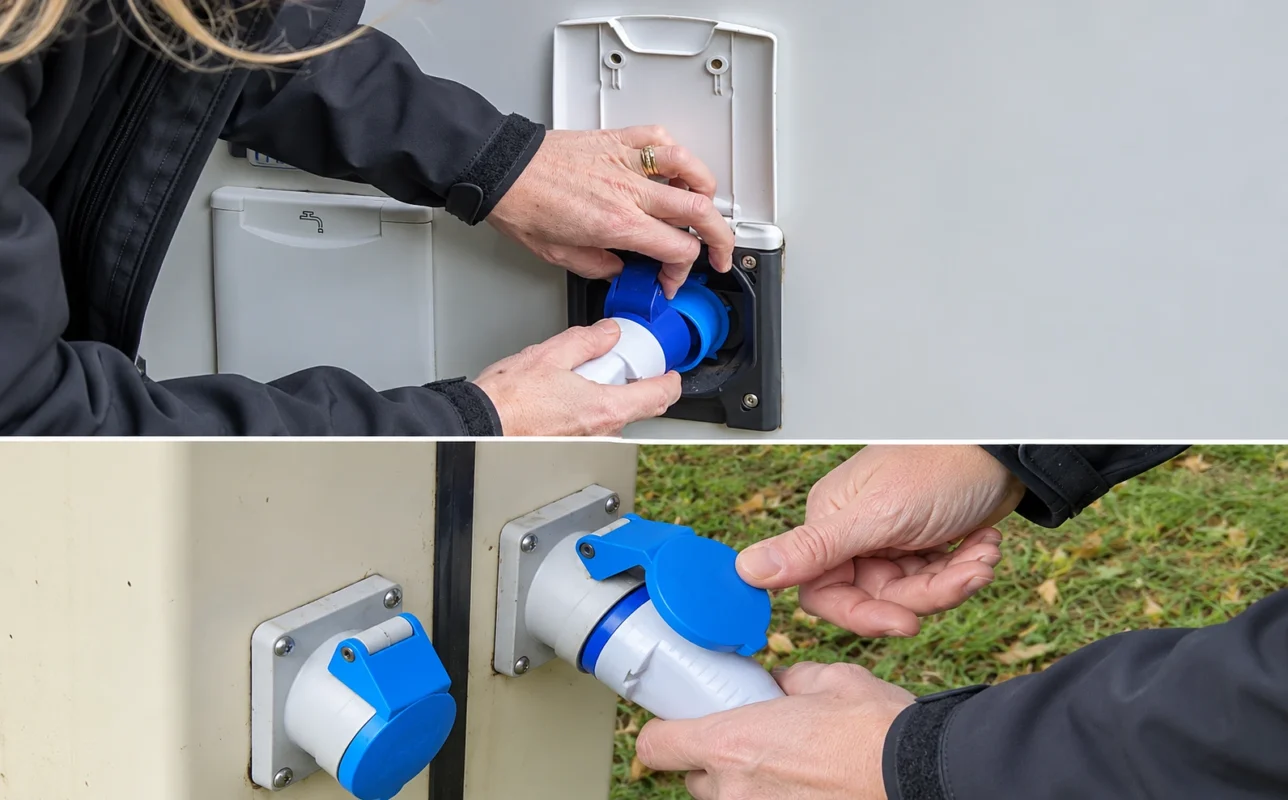
If you’d like to use electricity for extra heating support using a hookup, look out for a site with a good 16 amp supply, but make sure you also have gas available, as it’s the best way to warm up your unit from cold. Campsite supplies have been known to trip when everyone’s trying to keep warm, and electrical heating will struggle to keep your van warm on its own when it’s really cold.
Keep the Vents Open and the Heat In
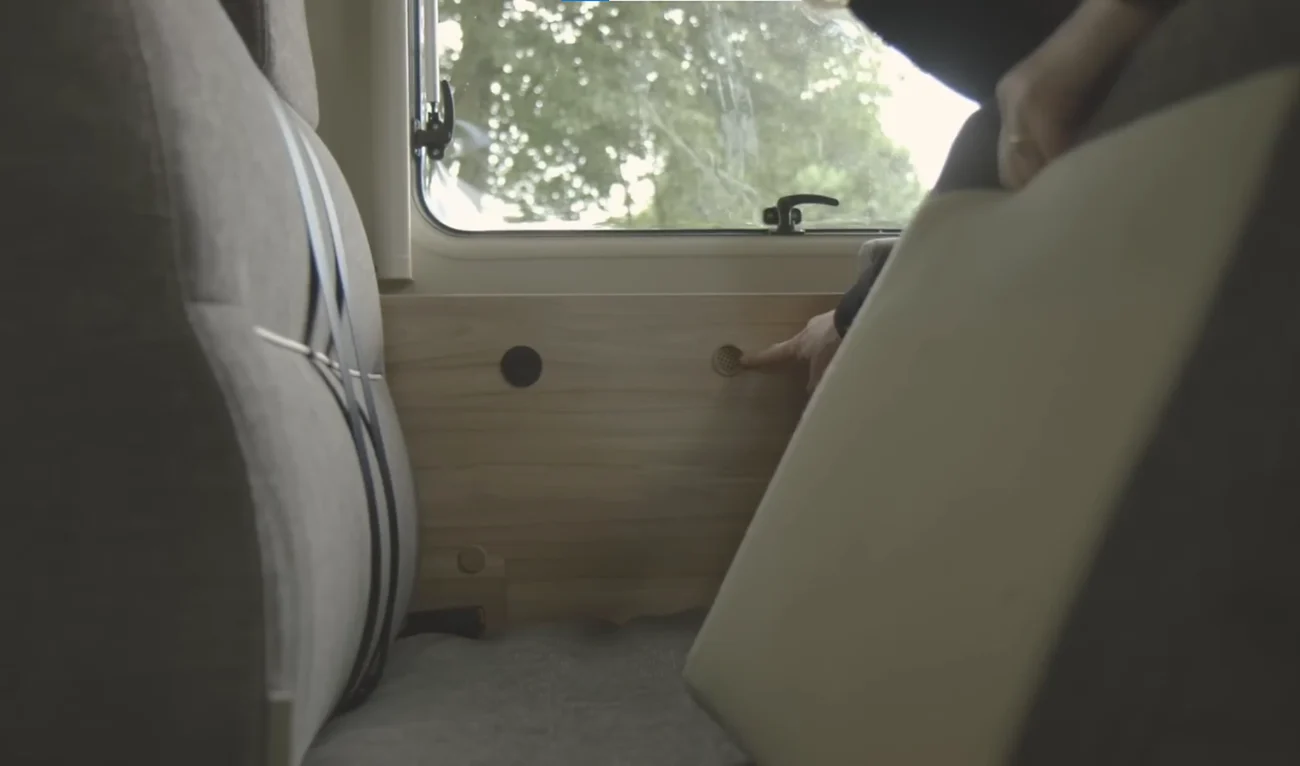
It might be tempting to close up any external gaps to keep warm, but it’s important to keep good ventilation inside, especially if you’re using gas appliances, so don’t block the fixed vents. A free flow of air should also prevent condensation, which can be a problem in such a small space. Thermal screens: blinds are great for privacy, but you may like to consider thermal screens as well to keep the heat in. Those that fit on the outside are more of a hassle to fit, but also more effective. Fridge vent covers: if temperatures are below eight Celsius, your fridge will work best with vent covers fitted. These are designed to let exhaust gases out safely while keeping as much of the cold air out as possible.
Stop Your Water From Freezing
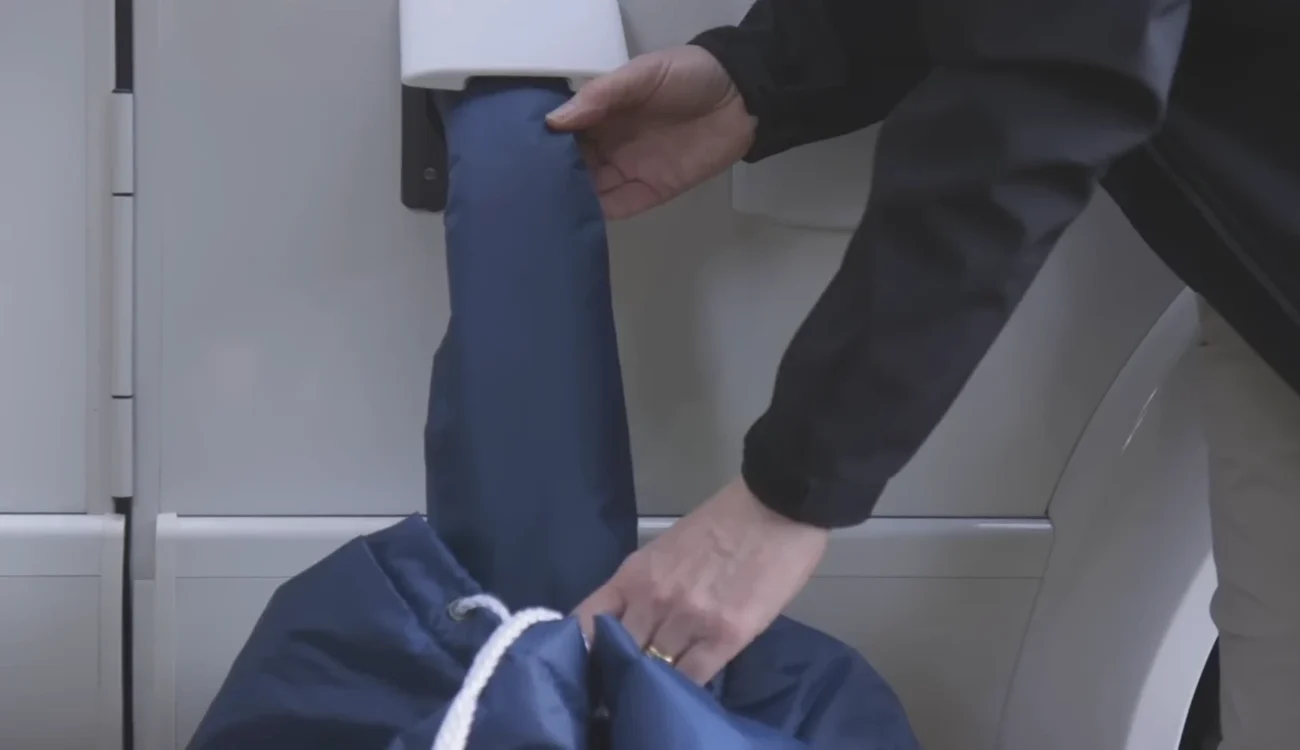
When the temperature reaches freezing and below, you’ll need to make sure anything containing water doesn’t freeze. Motorhomes like the Hymer have internal fresh water tanks that shouldn’t freeze if you’re living inside, but if your water tanks and pipes are exposed, you can buy insulation material. External water containers will benefit from a jacket and an insulating pad, but don’t forget to protect the hose as well, or take it inside overnight. External tanks will probably need draining if it’s going to be below freezing for a prolonged period, so you’ll rely on the water inside. Waste water tanks tend to be less vulnerable to freezing because of the soap and other things in the water, and you can add salt to help. It might be easier to leave the drain point open and let the waste run into a bucket, which is simpler to empty if it freezes.
Service the Van and Fit Winter Tyres
If you’re going to be touring regularly in winter, it’s particularly important to make sure your motorhome is well maintained, and you may like to consider fitting winter tyres for extra security on the road. You might even find they’re compulsory if you’re travelling abroad.