

Blog
Best Places in Norway for UK Travellers Who Can’t Stand the Heat


The thing most UK travellers get wrong about Norway is treating the whole country as one destination. Go to Oslo in July and you might hit 25°C. Head inland toward the valleys near the south coast and it gets warmer. The most stable, warmest conditions sit along the south coast between Mandal and Oslo, where temperatures can reach 25°C or more. That’s not what you came for. You want to go north, or west, or both.
Tromsø
July is actually Tromsø’s warmest month, with average highs of 13.9°C and lows of 8.7°C. For context, that’s a decent British autumn day. The midnight sun runs from the 19th of May through the 26th of July — so the sun genuinely doesn’t set. It just loops around the sky. Strange the first night, normal by the third.
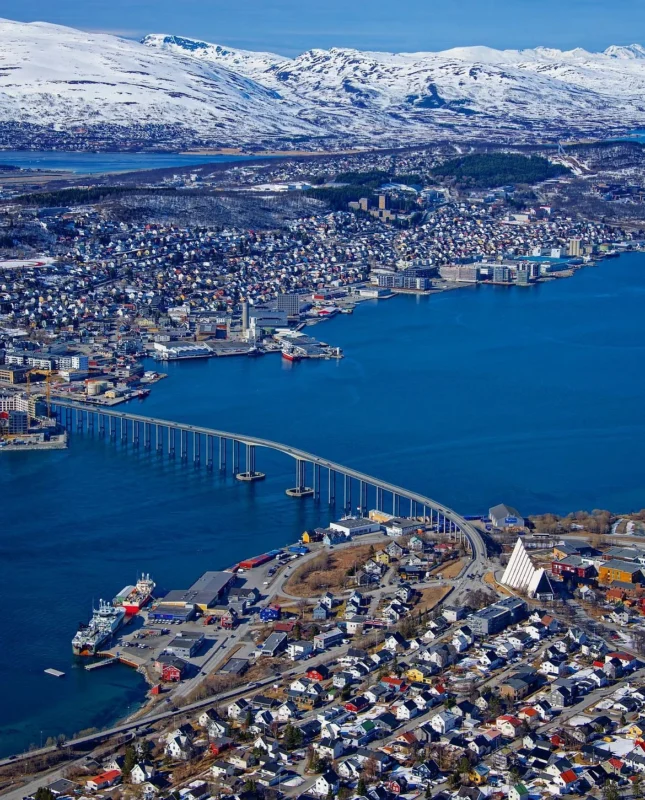
Most people visit Tromsø in winter for the Northern Lights, which means summer is quieter. Hotel prices reflect that — averaging around $109 per night in low season and $203 during peak summer. Eating out is where Norway takes a chunk out of your budget regardless of where you are. A mid-range dinner runs 350–500 NOK per person before drinks, and lunch with a daily menu costs 213–250 NOK. At 2025 exchange rates of approximately £1 to 13.50 NOK, that’s roughly £26–37 for dinner and £16–18 for lunch per person.
Lofoten
Difficult to get to, expensive once you’re there, and worth it anyway. The archipelago sits far enough north that even midsummer stays genuinely cool.
Trollfjord — a narrow, steep-sided inlet within the archipelago — has towering cliffs and emerald water and is the kind of place that makes you wonder why you spent previous summers somewhere hot. The rorbuer — traditional red fishing cabins built on stilts over the water — are what everyone wants to stay in. In high season, they range from €400 to €800 per night. There are cheaper guesthouses, but they book out fast.
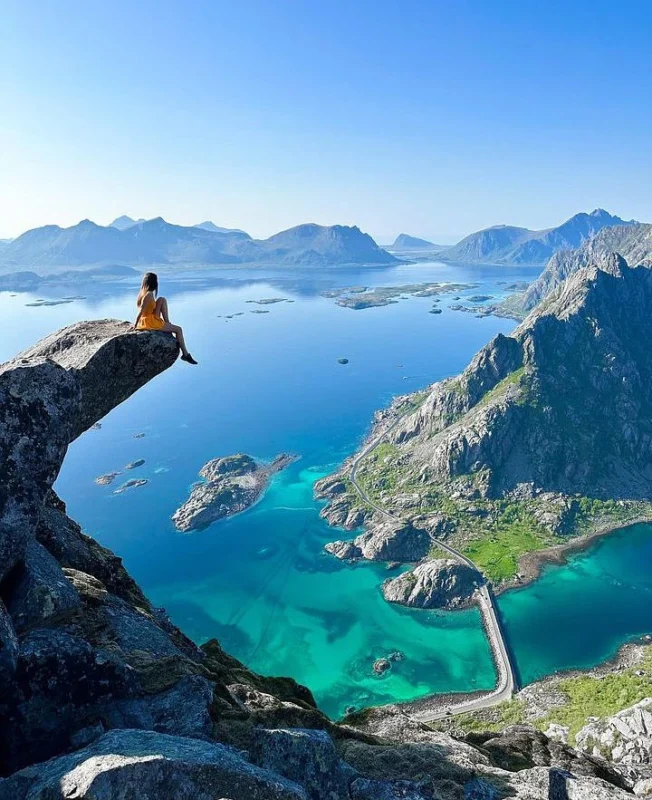
Visit Norway themselves suggest skipping the mid-June to mid-August window if crowds and prices are a concern. Shoulder season — late May, or September — gets you the same scenery with fewer people and beds that don’t cost a mortgage payment.
Bergen
The west coast averages 19°C in July. It also rains more than almost anywhere else in Europe — Bergen regularly tops European rainfall charts — but that’s what makes the surrounding fjords so absurdly green. You’re not going to Bergen for the sunshine. You’re going because it’s the most sensible base for the Hardangerfjord and Sognefjord, the trains are excellent, and the old wharf at Bryggen is free to walk around.
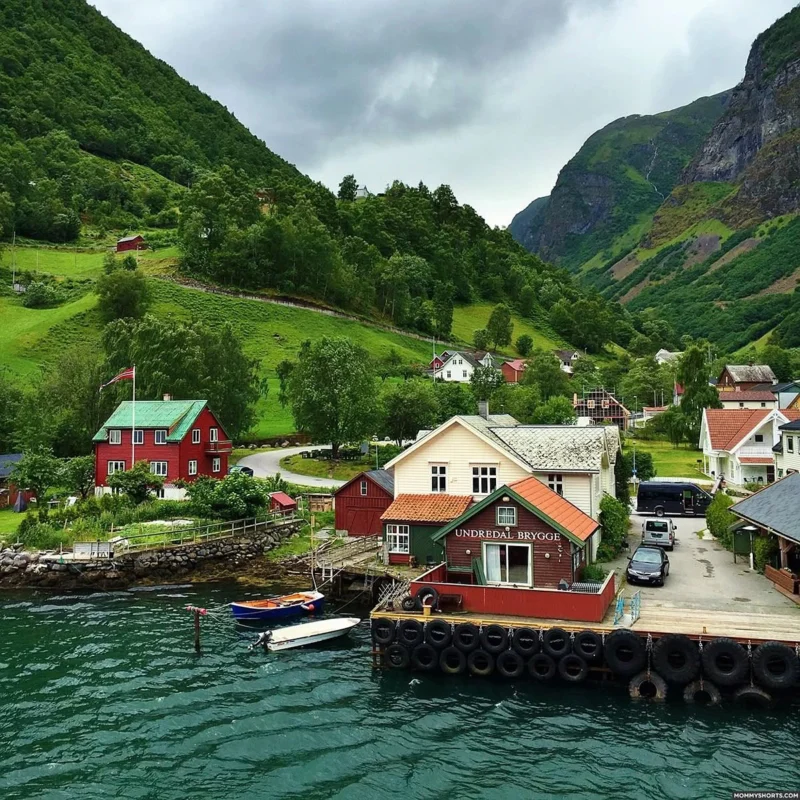
Hotels in Bergen range from around $81 per night in low season to $412 at peak. The average Norwegian hotel room including breakfast in 2024 cost 1,725 NOK — about £128 at current rates — which is a reasonable benchmark for what to expect in Bergen’s mid-range.
The Bergen Railway to Oslo, if you want to tag on a city end to a fjord trip, costs €40–120 booked early.
Ålesund
Less visited than Bergen, same cool west-coast climate. The entire town centre was rebuilt after a fire in 1904, which produced an unusually consistent Art Nouveau townscape — turrets, ornate facades, the lot. It’s a genuinely odd-looking place, in a good way. The hike up Mount Aksla takes about twenty minutes and gives you the full view of the archipelago spread out below.
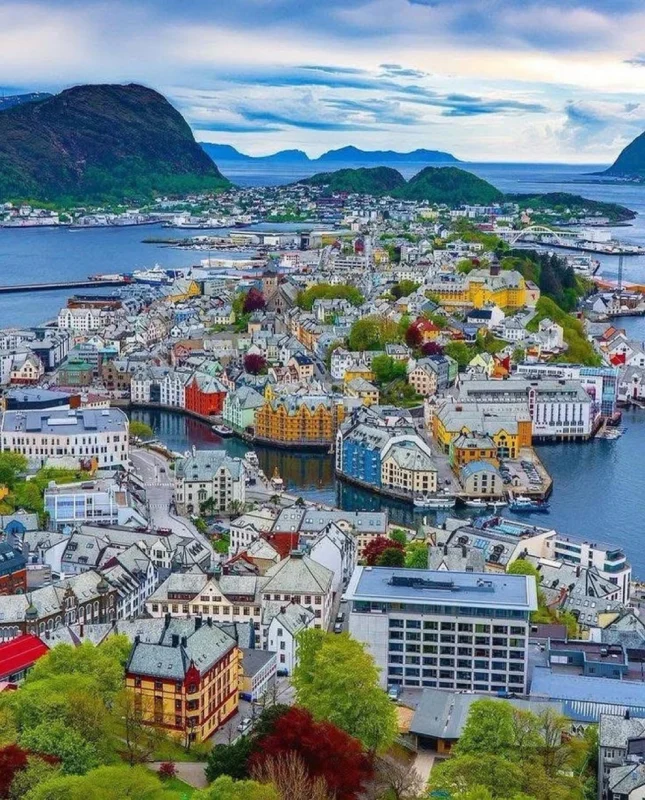
Accommodation is cheaper here than Bergen. Hotel 1904 — a boutique option in the centre — runs around €183 per night for a double room, while a downtown loft room goes for around €61.
Svalbard
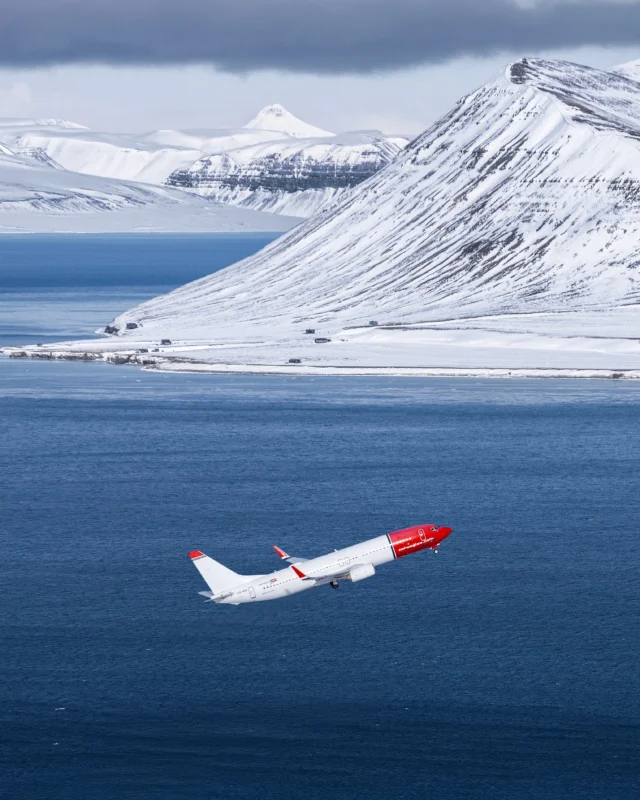
78° north. Over the course of the year, temperatures vary from -6°C to 14°C — summer is short and cool. Polar bears roam outside Longyearbyen, which means solo hiking isn’t an option. Everything requires a guide beyond the town boundary. Longyearbyen is among the most expensive places to stay in Norway, which is saying something. But if the whole point of your trip is cold air and somewhere genuinely remote, nothing on this list comes close.
The Cost Question
A mid-range traveller in Norway spends roughly $135 per day on accommodation, food, and local transport. Food from supermarkets — Rema 1000 and Kiwi being the two main budget chains — cuts that figure noticeably.
A Norway cruise removes most of the daily cost uncertainty — meals, transport between ports, and accommodation rolled into one. Hurtigruten’s coastal route calls at 34 Norwegian ports over 12 days, including smaller stops along the northern coast that simply don’t appear on any standard independent itinerary.