


Every creator hits the same wall eventually, and mine always showed up at the same point in the week. The footage is filmed. The episode is recorded. After that, I would visit a music licensing website and spend the next hour scrolling through songs that were either too pricey, had previously been used by a hundred other channels, or were just a little off for the mood I was in.
I used to dedicate two to three hours to music per project. Licensing research, downloading, testing it against the edit, realising it didn’t quite work, starting again. For a solo creator that isn’t a minor annoyance, it’s a proper chunk of the production week, gone, every single week.
Then I tried SongAgent and something happened I wasn’t expecting. I described what I needed in plain English, and instead of just spitting out a track, it came back with a complete musical plan before generating a single note. That was the moment it stopped feeling like another AI music button and started feeling like something else.
It works more like talking to a producer than clicking a generator
The majority of AI music tools function similarly. You select a genre, adjust a few settings, press produce, and hope that something workable emerges. It’s quick, but it’s superficial; you receive what the algorithm determined, not what you truly intended.
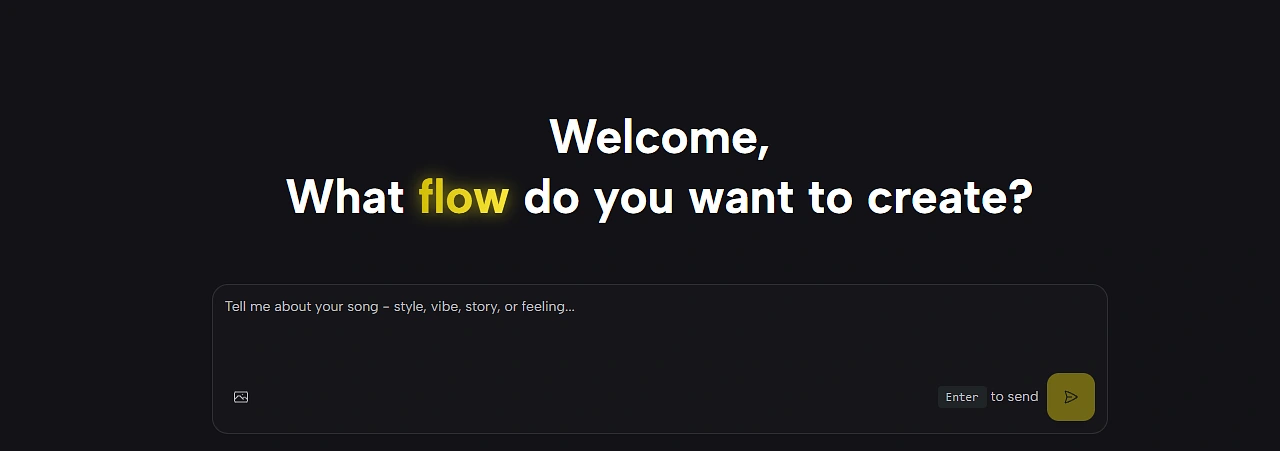
SongAgent does it differently. When you describe a project, it analyses the request and shows you a musical blueprint first, the proposed structure, the instrumentation, key, tempo, the emotional arc of the thing. You look it over, change what you want, and approve it before anything gets generated.
I wrote a thirty-second enigmatic opening theme, low strings, some tension, nothing overly dramatic, and a slow unveiling for a podcast. A genuine breakdown, minor note, cello-led melody, sparse percussion, and a slow build into the last eight seconds were what returned. That was the brief, more or less exactly. I approved it and had the track not long after.
That review step sounds like a small thing. In practice it’s the whole difference between a tool that guesses and a tool that actually listens to what you asked for.

Three things that genuinely changed how I work
The honest test of any tool is whether it changes your actual workflow or just your enthusiasm for a week. Three things here did the first one.
The first is getting a complete music package done in one sitting. For a podcast, the music need isn’t one track; it’s a system: intro theme, background music for the interview segments, transition stings, and an outro. Eating days were spent sourcing all of that independently while maintaining a uniform tone over the entire lot. I summed up the entire package in a single prompt, saying something like, “a full music set for a business interview podcast, professional but warm, sixty-second theme, three-minute background loop, two five-second transitions, and an outro.” It handled the whole thing, and the style actually matched across every piece. What used to be a multi-day licensing hunt turned into one afternoon.
The second is batch generation for a video series, and this is the bit I haven’t really seen anywhere else at the same level. Instead of generating one track at a time, SongAgent can compose a whole series or album with consistent style and musical continuity running across every track. For a documentary series on YouTube I needed music that felt cohesive across all the episodes, same emotional world, different mood per episode. I described the series concept once. It mapped out a full soundtrack with thematic variations for each episode type, contemplative, tense, hopeful, resolved. Weeks of work, folded into a single session. For anyone running a series format that genuinely changes the production maths.
The third one matters more than most creators realise until it’s happened to them, and that’s copyright that actually holds up. A Content ID claim on a monetised video isn’t just irritating, it can pull the ad revenue on a video you’ve already published, sometimes retroactively. Every track SongAgent generates comes with full commercial rights and no royalty obligations. YouTube, TikTok, podcasts, ads, client work, no licensing fees, no attribution required, no third-party claims turning up later. You own it outright. For anyone building a monetised channel or doing client-facing production work, that isn’t a nice extra. That’s the actual point of the thing.
The practical questions you’ll probably want answered
A few things worth knowing before you spend any time on it.
- Is it actually free to start? Yes. You get free credits when you log in, no card required, and that’s enough to test the full workflow and hear real output before you commit to anything. The site’s own pricing page lists ten free credits on login, good for around five generations, and paid plans take over from there once you need the volume.
- Is the quality good enough to publish? The output is mixed and mastered, and you can download it as MP3 or WAV. For background music, podcast themes and YouTube scoring it’s publish-ready without you needing to do extra post-processing. For most of what content creators actually need, it does the job.
- Can you ask for changes after it generates? Yes, and this is the point at which the conversational aspect is justified. Once a track has been created, it can be refined by continuing the session, adding an acoustic guitar in the second half, or making the chorus more lively. The initial output is never a dead end.
One thing worth trying today
If you’ve got a project sitting there with a music brief, even a vague one, Open Song Agent and describe it the way you’d explain it to an actual person. Not a genre tag. A real description, the mood, the context, the length, what it needs to feel like.
Then watch the blueprint it hands back before it generates anything. That first response is usually enough to tell you whether this fits the way you work. And since the first tracks cost nothing and there’s no card involved, the only thing you’re really spending is five minutes.
For creators who’ve quietly accepted “finding music” as an unavoidable tax on their production time, this is the first tool I’ve used that treats music as a conversation, and then actually delivers on it.