

Blog
Where to Invest Outside the UK: Malaysia Is Growing at Nearly 6% and Britain Just Signed Itself Into Its Trade Club

Quick word before anything else, and then it will not come up again. This is not financial advice, it is a magazine writer sharing a research rabbit hole, and if the curiosity ever turns into real intent, that conversation belongs with someone qualified.
So, the rabbit hole. A previous piece here followed all those British companies moving their stock listings to New York, and the question behind it, where else could British money live, kept nagging afterwards. Everyone knows the American answer already. Ask a dinner table to name five US companies and they will not stop until they hit thirty.
Now ask the same table to name one Malaysian company.
Nothing. Maybe someone half remembers Petronas from the Formula 1 cars. And that gap is strange, because the evening that began with comparing dull savings rates somehow finished on the Kuala Lumpur stock exchange’s website at midnight, which is nowhere anyone plans to be, and the numbers sitting there were doing something British numbers have not managed in years. Growing, and quickly.
Britain Joined Their Trade Club and Hardly Anyone Noticed

On 15 December 2024 the UK’s membership of the CPTPP came into force, the big trans-Pacific trade pact whose members include Malaysia, Singapore, Vietnam, Japan and Australia. A bloc of more than 500 million people. It gave Britain its first ever free trade agreement with Malaysia, and the whole thing got about as much coverage as a royal haircut.
Think about what that means in plain terms, because it is not really about tariff schedules. The country formally hitched part of its trading future to the fastest growing corner of the world economy, so British trade policy is already pointed east, on paper and in force. Ordinary British money conversations simply have not caught up with the paperwork yet.
Malaysia Is the One Actually Growing
The number does most of the arguing. Malaysia’s economy grew 5.8% year on year in the second quarter, quicker than the quarter before, and the first half of 2026 came in at 5.6 after two full years above five. Unemployment sits at 2.9%, the lowest in a decade. Inflation is a sleepy 1.6. The ringgit has been one of Asia’s better performing currencies, and the country is deep in an AI data centre building boom with the biggest names in technology writing the cheques. Microsoft has committed $2.2 billion, Google is spending $2 billion on its first Malaysian data centre, Oracle pledged more still, and Nvidia’s partnership with local power group YTL has already produced a vast AI facility in Johor, the state next to Singapore that the property consultancy Knight Frank has crowned the hottest data centre market on earth two years running. All of that computing needs feeding, which is why Malaysia’s power planners expect electricity demand to keep climbing for the next ten years straight. Britain would frame numbers like these and hang them in the hallway.
And what actually trades over there, on Bursa Malaysia, turns out to be far less exotic than the distance suggests. Maybank and Public Bank, the big lenders. Tenaga Nasional, the national power company. Petronas linked energy names, telecoms, plantation groups, consumer brands. Banks and utilities and things people pay for every month, the same dependable furniture as the FTSE, only bolted to an economy moving several times faster. Anyone curious can browse Malaysia stocks much the way they would browse the FTSE’s constituent list, and the local mood is confident enough that Maybank’s analysts hold a year end target of 1,750 points for the KLCI, the benchmark index. Targets miss all the time, of course. The direction of the optimism is the part worth noting. With a trading platform malaysia, you can buy Bursa shares online in board lots and build a small starter portfolio the same afternoon you fund the account.
Singapore Is Where the Money Feels Safe
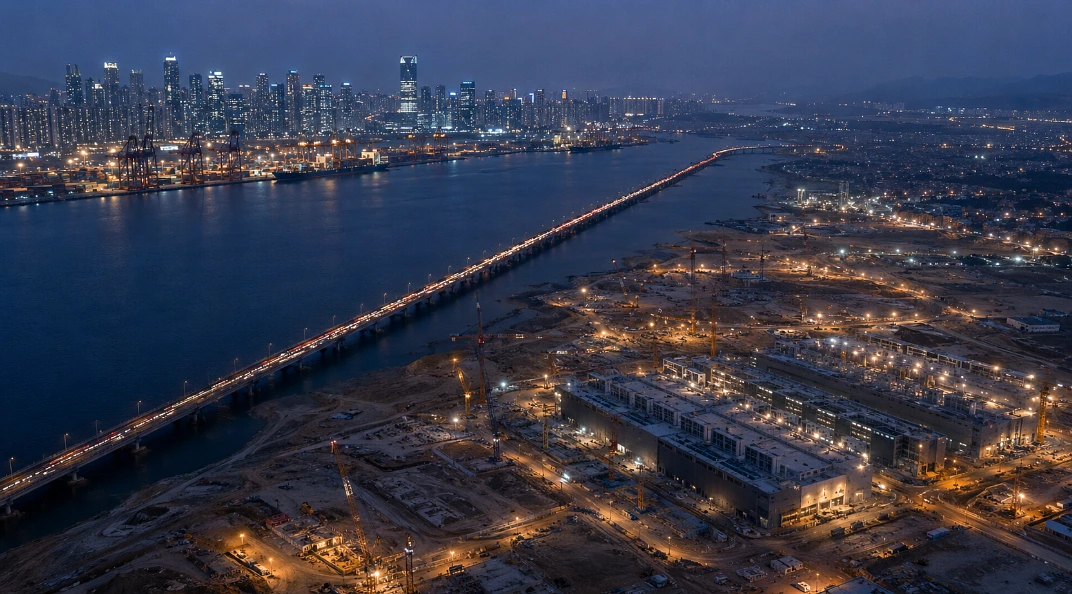
The pair need separating, though, because they are doing different jobs. Singapore’s own official forecast for 2026 is growth of just one to three, after a strong run near four last year, so anyone expecting Malaysian pace on that island has the wrong island.
What Singapore sells is trust, and trust is the one thing a fast growing neighbour cannot manufacture. The courts, the currency, the regulators, the whole apparatus that global capital already leans on, plus some of the highest labour productivity in the world. Cautious money that wants Asian exposure without Asian nerves tends to land there first, and always has. The two countries keep stitching themselves closer as well, with a new border crossing system between Singapore and Johor announced by both prime ministers and investment gathering on the Malaysian side of the causeway. Read together, the growth on one side and the trust on the other, the pair make far more sense than either does alone.
The Frictions, Because There Are Always Frictions
This section is the honest one, clearly labelled so it cannot be scrolled past.
Access comes first, and it surprises people. The mainstream UK platforms most savers already use, the Hargreaves Lansdowns and Trading 212s of the world, do not offer dealing on the Kuala Lumpur exchange at all. Reaching these markets from Britain generally means a global brokerage of the Interactive Brokers sort for the wider region, or letting a Malaysia tracking fund or ETF do the travelling instead, and each of those routes carries its own fees and homework.
Currency risk comes next. Returns earned in ringgit or Singapore dollars still have to survive the trip home into pounds, and a bad exchange rate year can quietly eat a good market year. Time zones matter more than they sound, since these markets open and close while Britain sleeps, and things do move overnight. The regulators are different. The disclosure culture is different. Those familiar sounding companies are only actually familiar after study, not before. Malaysia carries its own structural worries too, economists there talk openly about a productivity gap and the steady pull of higher Singaporean salaries on local talent. And the oldest rule in investing has not been repealed, a growing economy and a growing portfolio are two different things, and plenty of people have lost money in booming countries.
Distance adds risk. Always has.
So where does the search outside the UK actually finish? Probably with patience rather than a purchase, and that is the sensible ending. But the map genuinely looks different once seen properly. British companies drifting west for their listings, British trade policy signed east into the Pacific, and in between, a British saver whose whole investing map still shows one island and one America. The dinner table that cannot name a Malaysian company is right to be careful. It might also be reading a map with a corner torn off, and the missing corner happens to be the fastest growing one on the sheet.