

Blog
Nice Places in the UK to Explore on Foot


Britain has over 140,000 miles of public rights of way in England and Wales, according to the Ramblers Association. Most of it goes unwalked. Which is a shame, because some of the best parts of the country only really show up when you’re on foot.
Here are places in the UK worth your time.
The Cotswolds
The villages here are close enough together that walking between them is the obvious option, not the exertion. Bourton-on-the-Water, Lower Slaughter, Upper Slaughter — do two or three in a morning without rushing. The Cotswold Way runs 164 kilometres from Chipping Campden to Bath, but no one says you have to walk it all. Most people choose a section between two villages and halt wherever it appears viable.
What makes it work on foot:
- Well-marked paths throughout
- Pubs and tea rooms between most villages
- Mostly gentle terrain — no serious climbing required
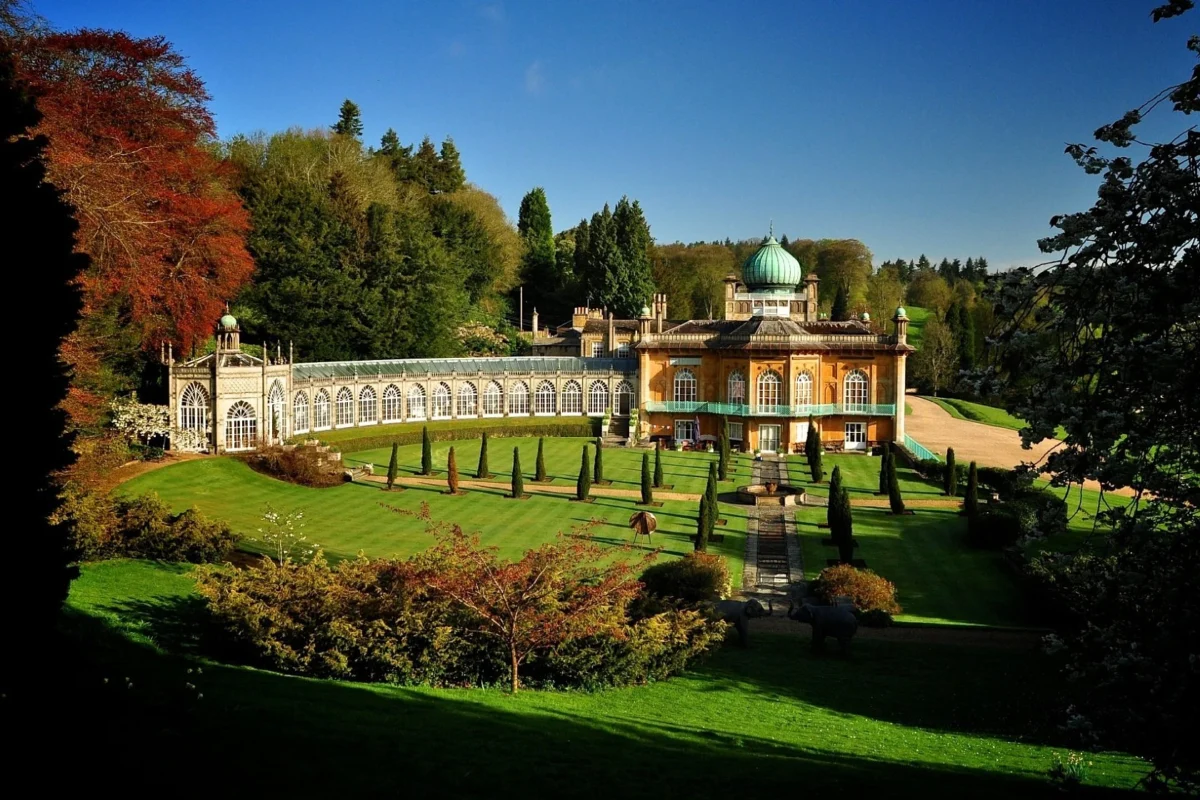
The Lake District
UNESCO awarded it World Heritage status in 2017, and it’s easy to understand why. The fells get the most attention, but the lower-level walking here is just as good — woodland paths, lake edges, villages close enough together to join without much planning.
Grasmere is worth a full day. Dove Cottage, where Wordsworth lived from 1799 to 1808, is a short walk from the village centre. The whole place is compact enough that a car feels unnecessary. This is exactly the kind of destination where travellers find that walking holidays offer a more balanced experience — not because it’s physically demanding, but because the pace suits the place.
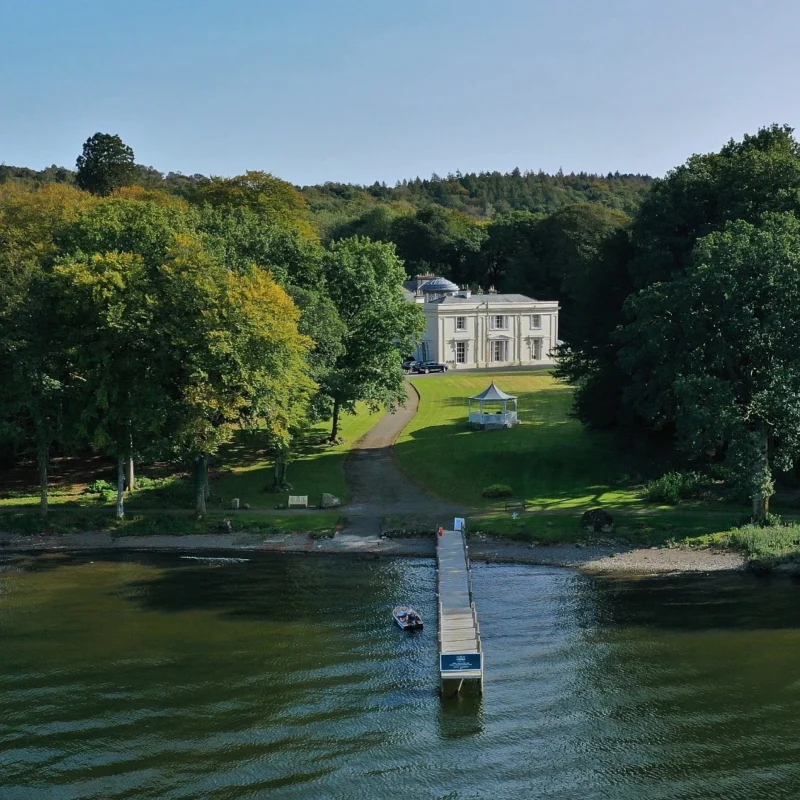
Bath
Compact, flat in the middle and actually easy to walk around. The Roman Baths, Royal Crescent and Pulteney Bridge are all within a short walk of one another. The Georgian streets between them are worth slowing down for.
If you need a break from where the tourists flock, the Kennet and Avon Canal towpath heads east out of the city centre — flat, quiet and an entirely different atmosphere than gaudy main streets half a mile away.
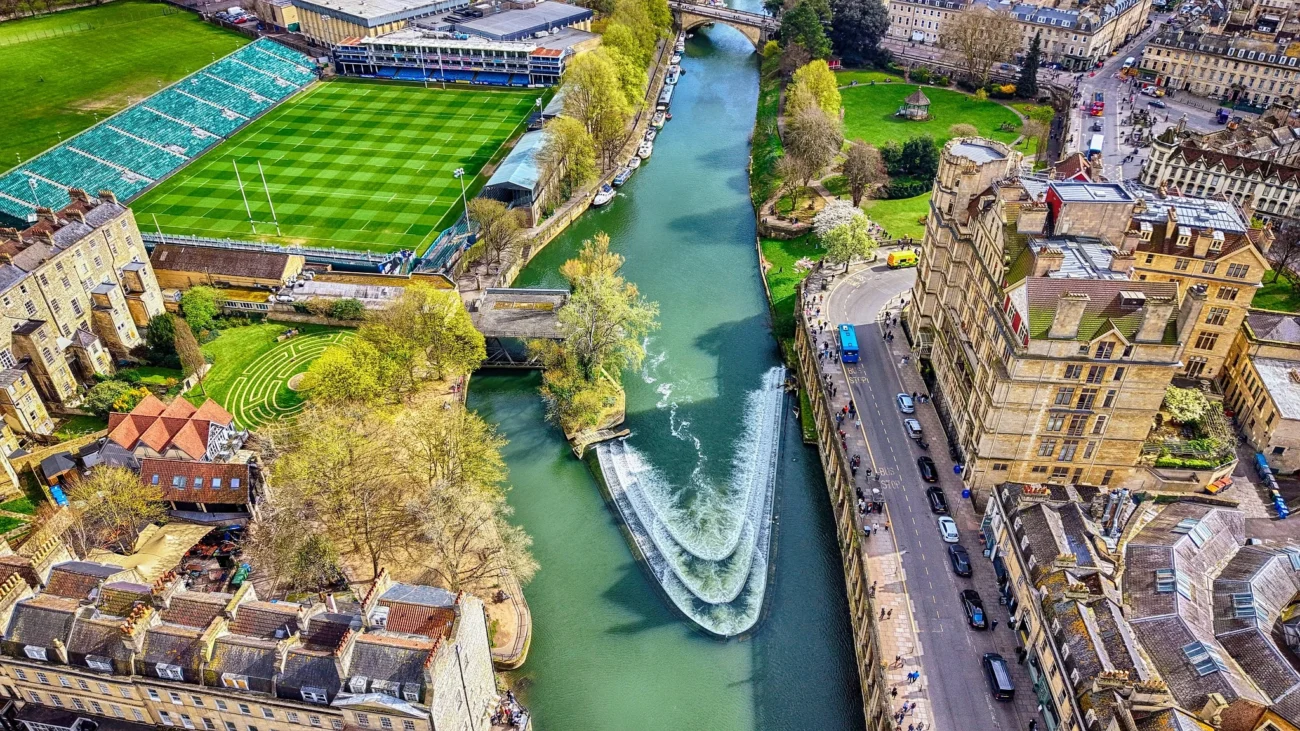
Pembrokeshire Coast
The coast path here covers 299 kilometres, and it is the only National Trail in the U.K. of which almost all is coastal, according to Natural Resources Wales. The full walk takes about two weeks, but sections make fine day walks.
Perhaps the most manageable stretches are from St Davids to Whitesands Bay, and Newport to Cardigan — both of which afford you cliffs and sea stacks but don’t require that you be fully committed to the entire route. St. David’s itself is one of the smallest cities in the UK by population, which gives you an idea of the scale of things out here.
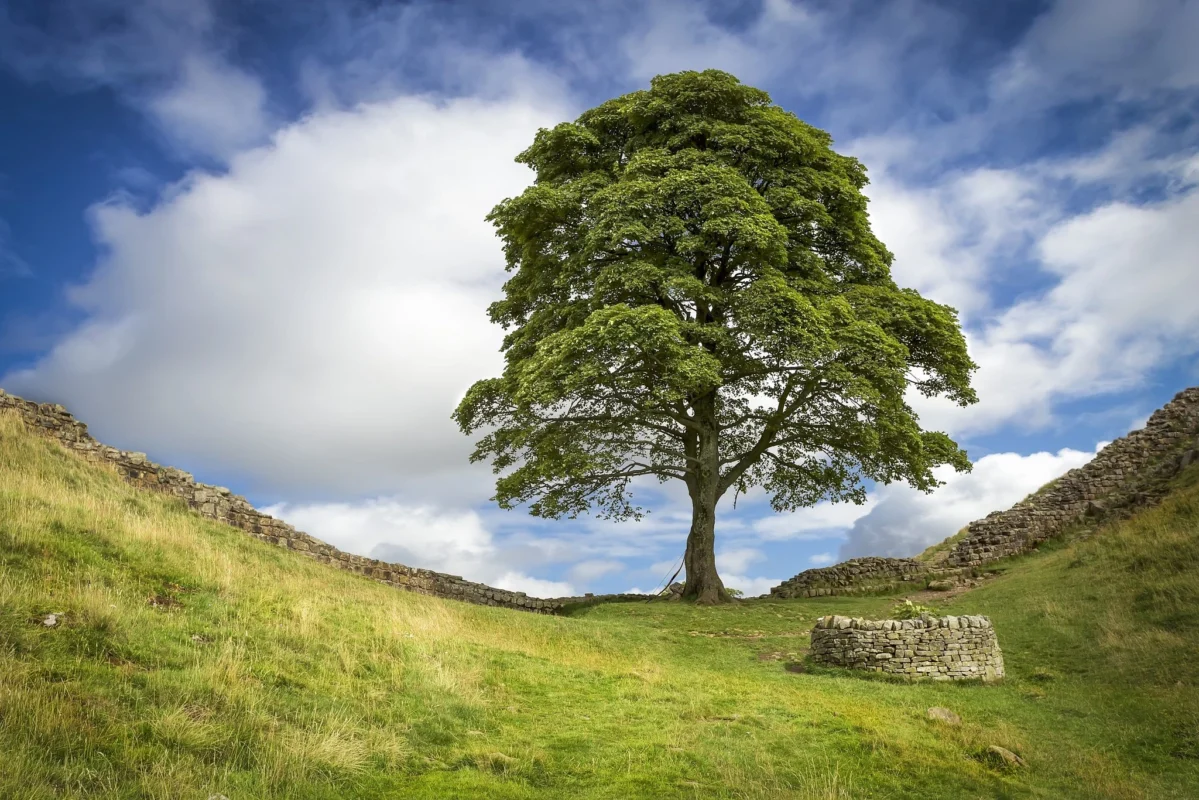
Edinburgh Old Town
The Royal Mile is about a mile — Edinburgh Castle on one end, the Palace of Holyroodhouse on the other. Pretty much everything worth seeing in the Old Town is walkable from there.
The closes are the real find. These narrow passageways branch off the main street and lead into courtyards, little altered for centuries. Easy to overlook if you’re not on foot. Arthur’s Seat — an ancient volcano, 251 metres above sea level — lies just on the city’s outskirts and is accessible directly from Palace gates.

Comparison of the two main walking areas:
| Area | Character | Best for |
|---|---|---|
| Royal Mile & closes | Historic, dense, lots to look at | Half-day wander |
| Arthur’s Seat | Open, elevated, city views | Full morning or afternoon |
Yorkshire Dales
Smaller villages, quieter paths, and a landscape that doesn’t try to impress anyone. Malham is a solid base. The walk up to Malham Cove — a curved limestone cliff left behind at the end of the last ice age — starts from the village. The limestone pavement at the top is unlike anything else in England.
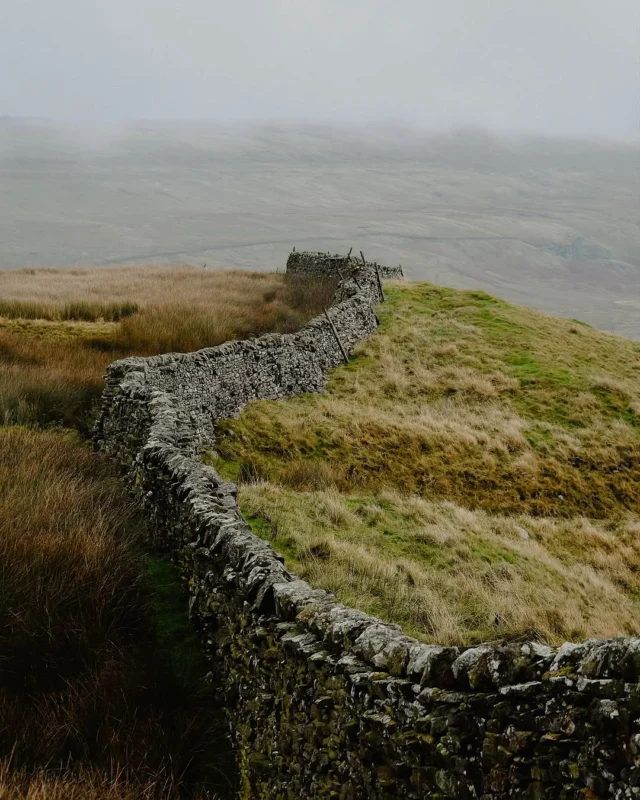
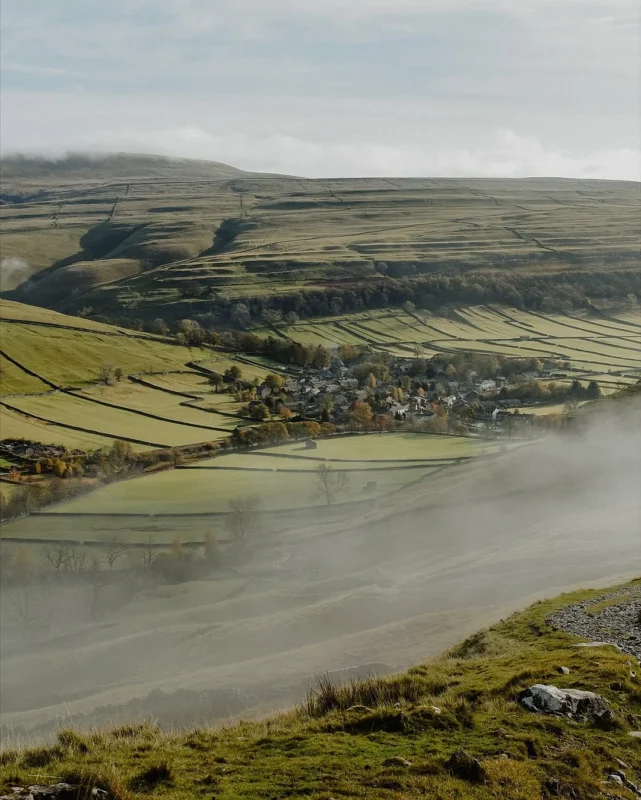
The Pennine Way runs through here too. The full route is 431 kilometres from Edale to Kirk Yetholm — worth knowing about if you want to plan something longer.