

Blog
A Charity Running Vest Isn’t Marketing, It’s the London Marathon’s Fundraising Engine

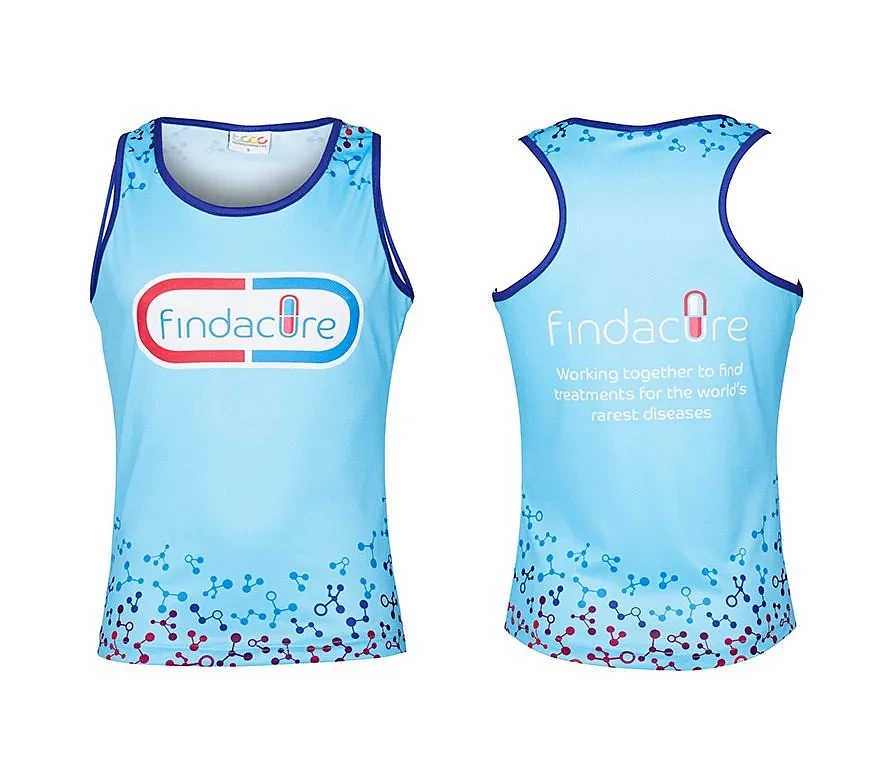
The usual line on branded charity vests is that they make volunteers into walking billboards. At Britain’s biggest fundraising event, the vest does something far more concrete than advertise: it is the thing that turns a runner into a fundraiser.
Strangers lining the course don’t cheer a number, they cheer the name and the cause printed across someone’s chest, and a good chunk of them donate because of it.
The vest is what raises the money, not the Brand Awareness
The London Marathon is the world’s biggest single day fundraising event, and the runners doing it are almost all wearing a charity vest. The 2025 race raised a record £87.3 million for charity, up £13.8 million on the year before, and it has now raised £1.4 billion since 1981.
The scale, year on year:
- 2024: £73.5 million
- 2025: £87.3 million
- Since 1981: £1.4 billion
What that looks like for one runner is just as telling. On the official platform the average fundraising page raised £2,809, off an average donation of £46.75. The vest is the prompt for nearly every one of those donations. It tells a watcher who you’re running for before you’ve said a word.
Most runners wear a Charity Vest because it’s how they got in
The charity place is the main route into the race, and the vest is the condition of the deal. Demand is brutal: a record 1,133,813 people entered the public ballot for the 2026 marathon. Most don’t get a place that way.
So they take a charity place instead, which works like this:
- The charity gives you a guaranteed entry.
- You commit to raising a minimum sum, often four figures.
- You run in the charity’s branded vest on the day.
That last point isn’t decoration. With 59,830 finishers in 2026, the vest is what makes one runner in that crowd legible as a cause rather than a stranger in shorts.
Building Trust and Credibility with Charity Vests
Charity and volunteer causes have always been infiltrated by bad actors who walk in, impersonate staff, and scam both the attendees and donors. Such events give your organisation a bad look and destroy the trust you have worked or are working so hard to build.
However, you can curb these issues by designing a unique and professional-looking charity vest. This added layer of identification contributes to a safer and more organised environment for everyone involved. Besides making your team easy to identify, a professional charity vest from The Charity Clothing Company reinforces the legitimacy of your organisation.
Donors, attendees, and volunteers will be more open and willing to engage with an organisation that looks prepared and connected to a recognised cause.
What makes a Charity running Vest actually work
Readability and comfort over 26.2 miles matter more than logo placement. A vest that looks smart on a desk but chafes by mile six, or whose cause name nobody can read from the kerb, has failed at the only two jobs it has.
The things that count:
- The cause name is large and high, readable from across the road, not a small logo lost on the hem.
- Lightweight, breathable, sweat-wicking fabric, because this is worn while running, not standing at a stall.
- A fit that suits a range of bodies, since a charity is kitting out dozens of different runners.
This is why charities don’t improvise it. They order proper branded charity running vests from suppliers like The Charity Clothing Company, built for distance and printed so the cause reads clearly on camera and at the roadside.
Treat the vest as the fundraising instrument it is, get the name bold and the fabric right, and it earns its place on the start line. It’s not promoting the charity. It’s how the charity gets paid.