

Blog
A Long Weekend In Rome Starts At The Spanish Steps, Where The City Once Had An English Quarter

Rome began charging tourists €2 for close access to the Trevi Fountain on 2 February 2026, and about ten minutes’ walk from the fountain is the corner of the city that Romans used to call the Ghetto degli Inglesi, the English ghetto. A British visitor can see where Keats died, drink tea in a room two women from Britain opened in 1893, and be back at the fountain before the paid hours end.
- Trevi Fountain: €2 for close access during the paid hours, which generally run until 10pm with last entry at 9pm, free from the square around it
- Keats-Shelley House: 26 Piazza di Spagna, beside the Spanish Steps, €7 for adults, €5 reduced
- Babington’s Tea Rooms: beside the Spanish Steps, founded in 1893
- Pantheon: €7 for tourists since 1 July 2026
- Flight: about two and a half hours from London
Paris has its influential galleries and Barcelona has its buildings, but Rome has drawn British travellers for centuries, from the Grand Tour to the organised holidays Thomas Cook began offering to Italy in 1864. The long weekend you book today is a trip with 160 years behind it.
Keats Died In The House Beside The Steps
John Keats came to Rome in 1820 hoping the climate would help his lungs. He died on 23 February 1821, aged 25, in a small room at 26 Piazza di Spagna. The house is now the Keats-Shelley House, a museum kept by a British charity, with his death mask, letters and first editions.
The museum is open Monday to Saturday from 10am to 1pm and 2pm to 6pm, with last admission at 5.45pm. Adults pay €7 and the reduced ticket is €5. Normal visiting resumed in September after a temporary change in hours, and tickets can be booked on the museum’s website. The outside of the house and the window of his room can be seen from the steps at any time.
Keats is buried in Rome’s Non-Catholic Cemetery in Testaccio, where Shelley’s ashes also lie. The cemetery asks for a donation of at least €5 a visitor.
Two Women Opened A Tea Room With £100
Babington’s Tea Rooms stands at the bottom of the Spanish Steps, on the left as you face them. The business opened on 4 December 1893 at Via Due Macelli 66, a short walk away, and moved to its present spot later. It was started by Anna Maria Babington, an Englishwoman, and Isabel Cargill, whose father founded Dunedin in New Zealand. They had £100 in savings between them. Tea in Rome was sold only in pharmacies at that time, and their customers were the British visitors staying around the piazza.
The tea room is still run by the family, now the fourth generation descended from Isabel Cargill. It is not cheap, so treat it as the one sit-down treat of the day and not as a place for lunch.
Give Rome Three Days, Not One
Rome rewards a slow pace. Romans drink their coffee standing at the bar, eat lunch late and walk in the squares after dinner, and a visitor who copies them sees more than one who runs between sights. That is why a city break in Rome works better over a long weekend than as a day stop on a longer tour.
A simple plan is one district a day:
- Day one: the Spanish Steps, Keats’s house, Babington’s, then the Trevi Fountain in the evening
- Day two: the Pantheon and Piazza Navona in the morning, Trastevere for dinner
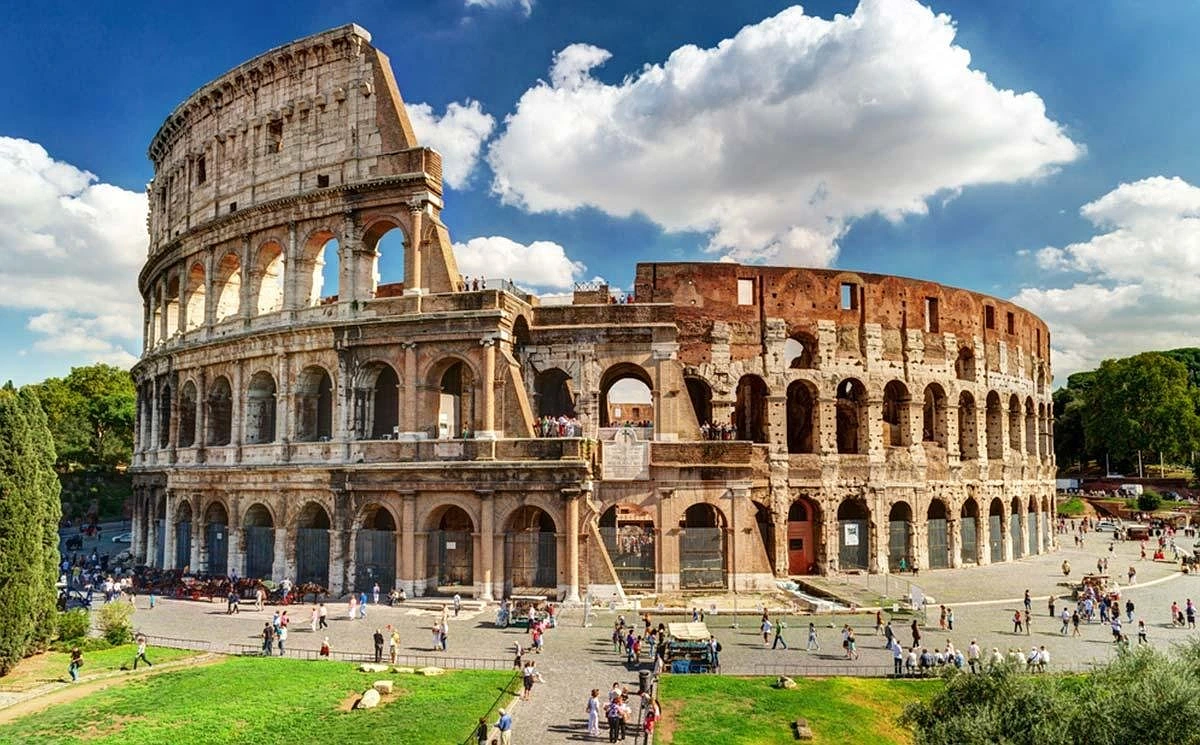
- Day three: the Colosseum and the Forum, with the Arch of Constantine beside them
Constantine has a British link of his own. He was proclaimed emperor at York in 306, and his arch has stood next to the Colosseum since 315.
The Small Charges Add Up
Rome has introduced or increased several visitor charges in recent years. For two adults following the three-day plan above on a three-night stay, at standard prices, they come to this:
- Trevi Fountain close access: €2 each, €4
- Pantheon: €7 each, €14
- Keats-Shelley House: €7 each, €14
- Colosseum and Roman Forum combined ticket: €18 each, €36
- City tax in a four-star hotel: €7.50 a person a night, €45
- Total: €113 before food, flights, the hotel and transport
- With the cemetery donation of €5 each: €123
The city tax has existed since 2011 and the current rates date from 1 October 2023. It is paid at the hotel, usually at checkout, and is not included in most package prices. The rate depends on the star rating, so ask the hotel what it charges before you travel. Rome residents do not pay at the Trevi Fountain or the Pantheon.
Rome’s tourism assessor, Alessandro Onorato, said of the Trevi charge that tourists “were shocked by the fact that the city of Rome is only asking for 2 euros for a site of this level”.
Eat Two Streets Back From Any Landmark
Restaurants facing a famous sight can charge more for the position. Walk two streets away, compare the menus and prices on the door and look at recent reviews before you sit down. A market stall or a bakery does for lunch. Pasta dishes such as carbonara and cacio e pepe are Roman, so order them here and not in Venice.
Book one dinner in advance and keep the rest informal. Time Out’s list of special restaurants across Europe is a fair place to start looking, and a neighbourhood trattoria does for the other nights.
Allow More Time At The Airport
British passport holders travelling to Italy come under the EU’s Entry/Exit System, which records a facial image and fingerprints at the border the first time and checks them on later trips. The checks have made queues longer at some airports, so arrive early for the flight home as well as the flight out. The separate ETIAS travel authorisation is not operating as of November 2026. Its planned fee is €20, and no start date has been announced, so check the official EU website before you travel.
Which would you do first, Keats’s house or the tea room?