

Blog
Aluminium Shutters Sydney: Benefits, Types and Uses

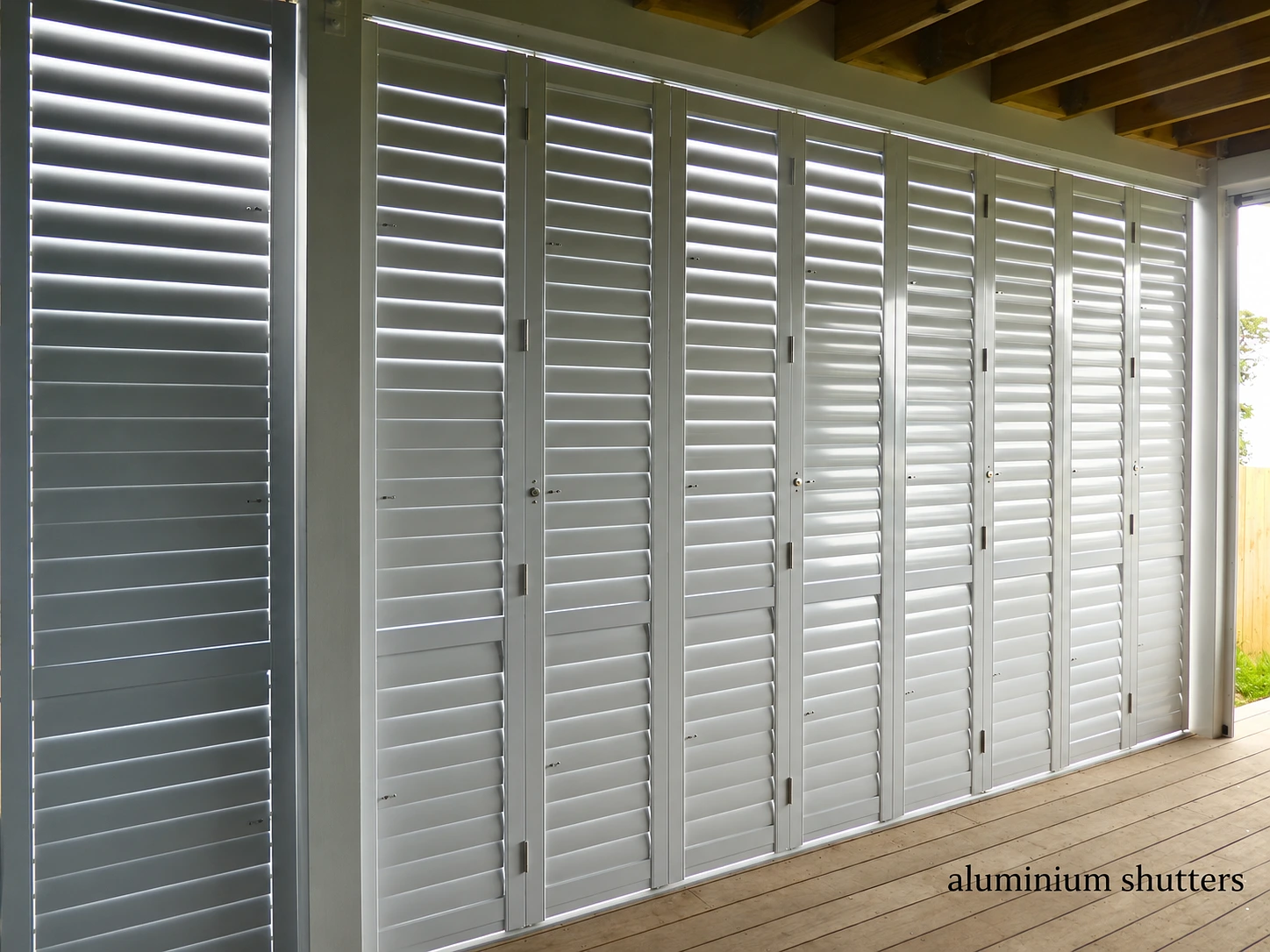
Choosing the right shutters can make a noticeable difference to how comfortable, private and functional your home feels. For Sydney homeowners dealing with strong afternoon sunlight, changing weather conditions or exposed outdoor areas, aluminium shutters offer a practical way to manage light, airflow and privacy.
Unlike traditional timber shutters, aluminium shutters are designed to resist moisture, warping and everyday environmental exposure. Their durable construction makes them particularly suitable for patios, balconies, outdoor entertaining areas and windows exposed to changing weather.
However, not all aluminium shutters are the same. Different styles, louvre configurations, finishes and installation methods affect how well they perform.
This guide explains the benefits of aluminium shutters, the main types available, where they work best and what to check before purchasing them for your Sydney property.
What Are Aluminium Shutters and How Do They Work?
Aluminium shutters are window or opening coverings manufactured from aluminium frames and panels. Many designs feature adjustable horizontal louvres that can be tilted to control sunlight, visibility and airflow.
They are commonly used in residential properties because aluminium provides a strong, lightweight and moisture-resistant alternative to traditional shutter materials.
Depending on their design, aluminium shutters can be installed internally or externally. Outdoor versions generally require suitable coatings, hardware and installation methods to withstand exposure to rain, sunlight and changing temperatures.
Homeowners comparing aluminum shutters Sydney options will find products with different panel configurations, louvre sizes and finishes. The appropriate choice depends on the installation location and how the shutters will be used.
How Do Adjustable Aluminium Louvres Work?
Louvres are horizontal blades fitted within a shutter panel. In adjustable designs, they rotate to change the amount of light and air passing through the opening.
For example, partially opening the louvres may allow fresh air to circulate while reducing direct views into a room. Closing them can increase privacy and limit sunlight, although standard louvred shutters do not necessarily create a completely lightproof or weatherproof barrier.
The amount of control available depends on the louvre design, spacing and operating mechanism.
Where Are Aluminium Shutters Commonly Installed?
Aluminium shutters can suit several areas around a property, including:
- External windows exposed to sunlight or moisture.
- Patios and alfresco entertaining areas.
- Balconies requiring adjustable privacy.
- Covered verandahs and courtyards.
- Selected internal rooms where moisture resistance is useful.
- Large openings fitted with suitable sliding or folding systems.
The installation environment should always guide material and hardware selection. A shutter designed for a sheltered indoor window may not be suitable for an exposed outdoor application.
What Are the Main Benefits of Aluminium Shutters?
Aluminium shutters offer a combination of durability, privacy, ventilation and design flexibility.
Their advantages are particularly useful in areas where conventional window coverings may be affected by moisture or where occupants want greater control over sunlight without permanently blocking airflow.
1. Resistance to Moisture and Warping
Aluminium does not absorb water in the same way as timber. This makes it less susceptible to moisture-related swelling and warping.
For areas exposed to humidity, occasional rain or changing temperatures, appropriately specified aluminium shutters can provide reliable dimensional stability.
However, aluminium is not completely immune to environmental deterioration. Surface damage, poor-quality coatings and unsuitable hardware can still cause problems, especially near coastal areas.
2. Improved Control Over Sunlight
Adjustable louvres allow homeowners to change how much direct sunlight enters a room or outdoor area.
For example, closing the louvres during periods of strong afternoon sunlight may help reduce glare in a west-facing living area.
The effectiveness of this approach depends on the louvre angle, shutter position and surrounding conditions.
Aluminium shutters should not automatically be treated as a substitute for specialised thermal glazing or insulation.
3. Adjustable Privacy
Privacy is another reason homeowners choose aluminium shutters.
The louvres can be adjusted to limit direct views into a property while allowing some daylight and airflow.
This can be useful for street-facing windows, balconies overlooking neighbouring homes or outdoor entertaining spaces located near property boundaries.
Privacy levels depend on the viewing angle and louvre position, particularly when indoor lights are switched on at night.
4. Ventilation Without Fully Opening the Space
Adjustable aluminium shutters can provide airflow without requiring an opening to remain completely exposed.
This can help create a more comfortable environment in covered outdoor areas and selected internal spaces.
For example, a sheltered patio fitted with louvred shutters may allow occupants to manage sunlight and breezes while maintaining some privacy.
However, shutters do not replace adequate ventilation or provide the same weather protection as a sealed wall or window system.
5. Low-Maintenance Surfaces
Powder-coated aluminium shutters are generally straightforward to clean.
Regular removal of dust, salt deposits and surface dirt can help preserve their appearance and reduce deterioration of finishes and moving components.
Unlike timber, aluminium does not require periodic sanding or repainting simply to prevent moisture absorption.
Maintenance requirements still depend on the product, finish and installation environment.
6. Flexible Architectural Appearance
Aluminium shutters are available in different colours, panel arrangements and finishes.
They can complement contemporary homes, renovated properties and outdoor living areas.
Homeowners may choose finishes that coordinate with window frames, doors, balustrades or exterior cladding.
For indoor spaces where a softer fabric covering is preferred, roller blinds Sydney options provide an alternative approach to managing privacy and daylight.
Types of Aluminium Shutters Available in Sydney
Aluminium shutters are available in several configurations, each designed for different openings and operating requirements.
Choosing the right style involves more than appearance. Panel movement, available space, access requirements and wind exposure can all affect suitability.
Aluminium Plantation Shutters
Aluminium plantation shutters feature horizontal louvres installed within a rigid frame.
They are commonly selected for windows, patios, balconies and sheltered outdoor spaces.
Adjustable louvres allow occupants to manage sunlight, ventilation and privacy without necessarily opening the entire shutter panel.
Exterior plantation shutters should use materials, finishes and hardware specified for outdoor exposure.
Fixed Aluminium Louvre Shutters
Fixed aluminium louvre shutters have blades positioned at a set angle.
They can provide screening, shading and some ventilation without requiring regular adjustment.
These shutters may suit areas where a consistent level of privacy or sun protection is preferred.
However, fixed louvres provide less flexibility than adjustable systems because occupants cannot change the blade angle.
Hinged Aluminium Shutters
Hinged shutters swing open from one side of an opening.
They can be useful for standard windows and selected doors where there is enough clearance for the panels to move.
Before installation, check whether nearby furniture, walls, railings or other fixtures could interfere with their operation.
Sliding Aluminium Shutters
Sliding shutters move along a track rather than swinging outward.
They may be suitable for large patio openings, balconies and spaces where hinged panels would obstruct access.
Sliding systems require appropriate tracks, guides and support hardware.
The opening width and available stacking space influence how practical the arrangement will be.
Bi-Fold Aluminium Shutters
Bi-fold shutters consist of connected panels that fold together when opened.
They can provide flexibility for wider openings where occupants want to open or screen different sections.
However, folding systems involve multiple hinges and moving components. Their hardware and structural suitability should be confirmed for the intended opening.
Aluminium Shutters vs Roller Shutters
Although both can be made from aluminium, plantation shutters and roller shutters serve different purposes.
Plantation shutters generally use adjustable louvres for light, airflow and privacy. Roller shutters typically use interlocking slats that travel vertically into a housing.
Roller shutters may be selected for stronger light blocking, weather protection or security-related functions, depending on their design and rating.
The two systems should not be treated as interchangeable.
Where Can Aluminium Shutters Be Used?
Aluminium shutters can be installed in different parts of a home, but their performance depends on choosing the right configuration for each location.
Outdoor installations require particular attention to weather exposure, hardware durability and structural fixing methods.
Outdoor Patios and Alfresco Areas
Patios and alfresco spaces are common applications for aluminium plantation shutters.
Adjustable louvres can help manage glare, airflow and visibility from neighbouring properties.
For example, shutters installed along one side of a covered patio may provide additional privacy while keeping the area visually connected to the garden.
Balconies and Apartment Outdoor Areas
Aluminium shutters may suit balconies where privacy and sun protection are priorities.
Sliding or folding configurations can work well where space is limited, provided the opening allows safe operation.
Apartment installations may require approval from the owners corporation or another relevant authority, particularly when the shutters affect the building’s exterior appearance.
Windows Facing Strong Sunlight
External aluminium shutters can help control sunlight before it passes through a window.
This can reduce direct glare and may help limit solar heat gain when the shutters are positioned appropriately.
The effectiveness depends on the direction of the window, the louvre configuration and the amount of shade provided.
Bathrooms and Laundry Areas
Suitable aluminium shutters may be used in internal spaces where humidity is common.
Their resistance to moisture-related swelling makes them an option for bathrooms and laundries.
However, coatings, fixings and operating hardware still need to suit the conditions, particularly where water regularly contacts the installation.
Courtyards and Covered Verandahs
Courtyards and verandahs can benefit from adjustable screening that improves privacy without completely enclosing the area.
Aluminium shutters may also complement nearby doors, windows and outdoor furniture.
Their location should allow enough space for panels to operate and for maintenance to be carried out safely.
Aluminium Shutters vs Timber and PVC Shutters
Aluminium, timber and PVC shutters each offer different advantages.
The best material depends on where the shutters will be installed, the desired appearance and the level of environmental exposure.
| Feature | Aluminium Shutters | Timber Shutters | PVC Shutters |
| Moisture resistance | High with suitable finishes and hardware | Depends on timber and protective coating | Generally good |
| Warping resistance | Good dimensional stability | Can be affected by moisture and temperature | Depends on product quality and heat exposure |
| Outdoor suitability | Available in exterior-rated systems | Depends on timber and coating system | Depends on manufacturer specification |
| Maintenance | Routine cleaning and hardware inspection | May require coating maintenance | Routine cleaning |
| Appearance | Modern, with various finishes | Natural timber appearance | Painted or manufactured finishes |
| Large openings | Suitable systems available | Depends on frame and panel design | Depends on product limitations |
| Cost | Varies by specification and configuration | Varies by timber and finish | Varies by quality and design |
Aluminium is often worth exploring for outdoor spaces where moisture resistance and structural stability are priorities.
Timber may appeal to homeowners who prefer a natural material, while PVC can suit selected indoor applications where cost and ease of cleaning are important.
Always compare products intended for the same installation environment rather than assuming that one material performs better in every situation.
How to Choose Aluminium Shutters for Sydney Conditions
Sydney properties experience varying levels of sunlight, rainfall, humidity and coastal exposure.
These conditions can influence which aluminium shutter system will provide the most suitable performance.
A sheltered bedroom window and an exposed coastal balcony may require very different materials, fixings and installation details.
Check the Aluminium Grade and Finish
Exterior shutters should be manufactured from aluminium suitable for the intended environment.
Powder-coated finishes can provide decorative and protective benefits, but their durability depends on preparation, coating quality and environmental exposure.
For coastal properties, ask whether the selected system and finish are suitable for salt-laden conditions.
Review Corrosion-Resistant Hardware
Hinges, screws, tracks and other moving components can influence how long the shutter system operates reliably.
Outdoor installations should use hardware suited to the exposure conditions.
Corrosion-resistant components are particularly relevant near the coast, where salt deposits can accelerate deterioration.
Choose an Appropriate Louvre Size
Louvre size affects the shutter’s appearance, view-through and light control.
Wider louvres may provide a more open view when tilted, while narrower designs can create a different visual appearance.
However, the best size also depends on the window dimensions, panel configuration and available product options.
Select the Right Operating System
Think about how frequently the shutters will be opened and closed.
Hinged panels may suit smaller openings, while sliding or folding systems can be more practical for wider areas.
The operating mechanism should provide convenient access without obstructing doors, pathways or nearby fixtures.
Match the Shutters to Their Intended Use
Some homeowners prioritise privacy, while others want sun protection, airflow or weather resistance.
Identifying the main purpose helps narrow the available options.
For example, a sheltered patio may benefit from adjustable louvres, while a more exposed opening may require a system specifically engineered for the applicable wind and weather conditions.
Do Aluminium Shutters Help With Heat and Privacy?
Aluminium shutters can help manage direct sunlight and visibility, but their effectiveness depends on design and placement.
Their benefits should be evaluated realistically, especially when homeowners want to improve indoor comfort or reduce overlooking.
Managing Solar Heat
External shutters can intercept some sunlight before it reaches a window.
When appropriately positioned, this shading may reduce solar heat gain compared with leaving the window fully exposed.
However, aluminium is a heat-conductive material. The thermal performance of a shutter system depends on more than the frame material alone.
The opening size, louvre angle, ventilation and surrounding glazing also influence results.
Improving Privacy
Adjustable louvres allow homeowners to control direct sightlines into a room or outdoor area.
This is useful for street-facing windows and properties with nearby neighbours.
However, privacy can change depending on the angle of observation, lighting conditions and how far the louvres are opened.
Managing Airflow
Partially opened louvres can allow air to pass through while providing some shading.
This may help maintain ventilation in covered outdoor spaces.
The amount of airflow depends on the louvre configuration, opening size and prevailing wind conditions.
Shutters should not be relied upon as the sole ventilation measure for rooms that require specific airflow provisions.
What Affects Aluminium Shutter Installation Costs?
The price of aluminium shutters in Sydney depends on several factors, including opening dimensions, material specifications, operating mechanisms and installation requirements.
A standard window installation may involve a different level of work from custom sliding shutters fitted across a wide outdoor entertaining area.
Comparing quotations requires a clear understanding of what is included.
Size and Number of Openings
Larger openings generally require more materials and may involve additional structural supports or specialised operating systems.
Installing shutters across multiple windows can also affect the overall project cost.
Measurements should be confirmed before manufacturing begins.
Shutter Style and Configuration
Fixed, hinged, sliding and bi-fold shutters have different hardware and construction requirements.
More complex operating systems may involve additional components and installation work.
Custom shapes or unusual openings can also increase fabrication complexity.
Finish and Hardware
Powder-coating specifications, specialised colours and corrosion-resistant hardware may influence pricing.
For exposed outdoor locations, selecting suitable finishes and fittings may reduce maintenance problems over time.
Installation Conditions
Site access, wall construction and the condition of existing openings can influence installation requirements.
Some properties may need additional fixing supports or preparation work.
These details should be identified during the measurement and quotation process.
What Should an Aluminium Shutter Quote Include?
Before accepting a quotation, confirm:
- Shutter material and finish specifications.
- Panel dimensions and louvre configuration.
- Operating system and hardware.
- Installation and fixing arrangements.
- Any required structural modifications.
- Weather exposure suitability.
- Applicable warranties.
- Maintenance instructions.
- Exclusions or additional charges.
A detailed written quote makes it easier to compare products and avoid misunderstandings about the final installation.
Installation and Safety Requirements for Aluminium Shutters
Aluminium shutters should be installed with suitable fixings and support arrangements for the intended application.
This is particularly relevant for outdoor shutters, which may be exposed to wind loads and repeated movement.
Incorrect installation can affect operation, alignment and safety.
Professional Measurement
Accurate measurements help ensure that panels fit the available opening and operate without obstruction.
Installers may need to check the opening’s width, height, squareness and fixing surfaces.
Sliding and folding shutters also require sufficient clearance for tracks, panel movement and stacking.
Wind Exposure and Structural Fixings
Outdoor shutters may experience wind pressure, especially when fitted to exposed balconies or large openings.
The frame, fixings and supporting structure should be suitable for the installation conditions.
A qualified installer or relevant building professional should confirm whether engineering or additional structural support is necessary.
Building and Strata Requirements
Some installations may affect the exterior appearance of a building or involve changes to shared property.
Apartment owners may need owners corporation approval, while other projects may require confirmation of applicable local planning or building requirements.
Homeowners should check relevant permissions before ordering custom shutters.
Safe Everyday Operation
Shutters should open and close smoothly without excessive force.
Hinges, tracks and operating mechanisms should be installed according to the manufacturer’s instructions.
Where applicable, panels should have suitable methods for preventing unintended movement during windy conditions.
Shutters must also avoid obstructing required exits or other safety features.
How to Maintain Aluminium Shutters
Aluminium shutters generally require less surface maintenance than traditional timber shutters, but regular care still helps protect their appearance and operation.
Outdoor installations may need more frequent attention because of dust, rain, salt deposits and environmental pollutants.
Maintenance should follow the manufacturer’s instructions for the specific shutter system.
Clean the Surfaces Regularly
Dust and dirt can accumulate on louvres, frames and tracks.
A soft cloth or sponge with mild soapy water may be suitable for many powder-coated finishes.
Avoid abrasive pads, harsh chemicals and cleaning products that could damage the protective coating.
Rinse and dry surfaces according to the manufacturer’s recommendations.
Inspect Hinges and Tracks
Moving parts should be checked for signs of wear, stiffness or corrosion.
Sliding tracks should be kept clear of dirt and debris that could interfere with movement.
If a panel becomes difficult to operate, avoid forcing it. The problem may involve alignment, damaged hardware or an obstruction.
Maintain Coastal Installations
Properties near the ocean may experience greater exposure to airborne salt.
Regular cleaning can help remove deposits from frames, louvres and hardware.
The appropriate cleaning frequency depends on exposure conditions and the manufacturer’s maintenance guidance.
Check for Damage
During routine cleaning, look for:
- Scratched or damaged coatings.
- Loose hinges or fixings.
- Difficulty rotating louvres.
- Misaligned panels.
- Corrosion around hardware.
- Damaged sliding tracks or operating mechanisms.
Addressing minor problems early may prevent additional wear.
Common Mistakes to Avoid When Buying Aluminium Shutters
Choosing aluminium shutters without reviewing the installation requirements can lead to disappointing results.
A product that looks suitable in a showroom may perform differently when installed on a sun-exposed balcony or near the coastline.
Understanding common purchasing mistakes can help homeowners make more informed decisions.
Choosing Indoor Shutters for Outdoor Use
Not all aluminium shutter systems are designed for external exposure.
Outdoor installations require appropriate finishes, hardware and fixing arrangements.
Confirm the product’s intended use before purchasing.
Ignoring the Opening Configuration
A hinged shutter may not be practical where nearby furniture or walls restrict movement.
Similarly, sliding systems require enough space for tracks and stacked panels.
Check the available clearance before deciding on a configuration.
Focusing Only on Price
A lower quote may exclude specialised hardware, suitable coatings or necessary installation work.
Comparing product specifications and installation inclusions provides a more useful basis for choosing between suppliers.
Overlooking Maintenance Access
Shutters installed in elevated or difficult-to-reach locations may be challenging to clean and inspect.
Consider how the panels, tracks and hardware will be maintained.
Assuming All Shutters Provide Security
Standard aluminium plantation shutters are primarily designed for privacy, shading and ventilation.
They should not automatically be treated as security barriers.
Where security is a priority, choose a system specifically designed and rated for that purpose.
How to Choose the Right Aluminium Shutters for Your Home
Selecting suitable aluminium shutters begins with understanding how the space is used.
The right design should balance practical requirements, environmental exposure, appearance and maintenance.
Step 1: Identify Your Main Goal
Determine whether privacy, shade, airflow, outdoor weather resistance or appearance matters most.
For example, an exposed balcony may require a different system from a sheltered living room window.
Step 2: Review the Installation Location
Check the opening dimensions, surrounding surfaces and available space for panel movement.
Consider sunlight direction, wind exposure and whether the shutters will come into contact with rain.
Step 3: Compare Product Specifications
Review the aluminium construction, coating, louvre dimensions and operating hardware.
For outdoor installations, confirm that the system is suitable for the expected environmental conditions.
Step 4: Arrange Professional Measurement
Accurate measurements help prevent fitting problems and ensure the selected design works with the existing opening.
Ask about any structural or installation requirements identified during the site assessment.
Step 5: Review the Quote and Warranty
Compare written quotations based on the complete product and installation scope.
Check what the warranty covers, including finishes, hardware and installation workmanship.
Choosing Aluminium Shutters for Long-Term Comfort and Durability
Aluminium shutters can provide an effective combination of privacy, sun control, ventilation and moisture resistance for Sydney homes.
Their suitability depends on selecting the right shutter style, materials, finishes and installation method for the property’s conditions.
Before purchasing aluminium shutters, review the location, opening dimensions, environmental exposure and intended use. Compare suitable products and arrange a professional measure and quote to understand the available options and installation requirements.
A carefully selected aluminium shutter system can help create more comfortable, practical and visually appealing indoor and outdoor spaces.
Frequently Asked Questions About Aluminium Shutters in Sydney
1. Are aluminium shutters suitable for outdoor use in Sydney?
Yes, aluminium shutters can be suitable for outdoor use in Sydney when they are specifically designed for external conditions. Exterior-rated systems may include protective powder-coated finishes, corrosion-resistant hardware and suitable structural fixings. They can be installed in locations such as patios, balconies and covered entertaining areas. However, exposure to wind, rain and coastal salt can affect performance. Homeowners should confirm that the selected shutter system is appropriate for the installation environment and maintained according to the manufacturer’s instructions.
2. Are aluminium shutters better than timber shutters?
Aluminium shutters may be more suitable than timber shutters in areas exposed to moisture, humidity or changing weather because aluminium does not absorb water or swell like timber. They also generally require less surface maintenance. However, timber shutters offer a natural appearance that some homeowners prefer, particularly indoors. The better option depends on where the shutters will be installed, the desired appearance, maintenance expectations and budget. Comparing products intended for the same application provides the fairest comparison.
3. Do aluminium shutters help keep a house cooler?
Aluminium shutters can help manage indoor temperatures by reducing direct sunlight entering through windows. External shutters can be particularly useful because they intercept sunlight before it reaches the glazing. However, aluminium itself conducts heat, and the overall result depends on shutter placement, louvre angle, window performance and ventilation. Homeowners should view aluminium shutters as one possible shading measure rather than a guaranteed insulation solution. Their effectiveness varies according to the property’s orientation and surrounding conditions.
4. How long do aluminium shutters last in Sydney?
The service life of aluminium shutters depends on product quality, environmental exposure, installation and maintenance. Well-manufactured systems with suitable finishes and hardware can remain serviceable for many years, but moving components, fixings and protective coatings may deteriorate over time. Coastal conditions can increase maintenance requirements because airborne salt may affect exposed metal components. Regular cleaning and inspections can help identify wear early. Homeowners should check the manufacturer’s warranty and maintenance guidance rather than relying on a fixed lifespan estimate.
5. How much do aluminium shutters cost in Sydney?
The cost of aluminium shutters in Sydney varies according to opening dimensions, shutter configuration, coating specifications, hardware and installation requirements. Custom sliding or bi-fold systems may involve different costs from standard hinged plantation shutters. Large openings, restricted installation access and specialised finishes can also influence pricing. To obtain an accurate estimate, arrange a professional measure and request a detailed written quotation. Confirm that the price includes the selected shutter system, installation, hardware, applicable warranties and any necessary additional work.