

Blog
The Quiet Link Between Looking After Yourself and Actually Feeling Confident

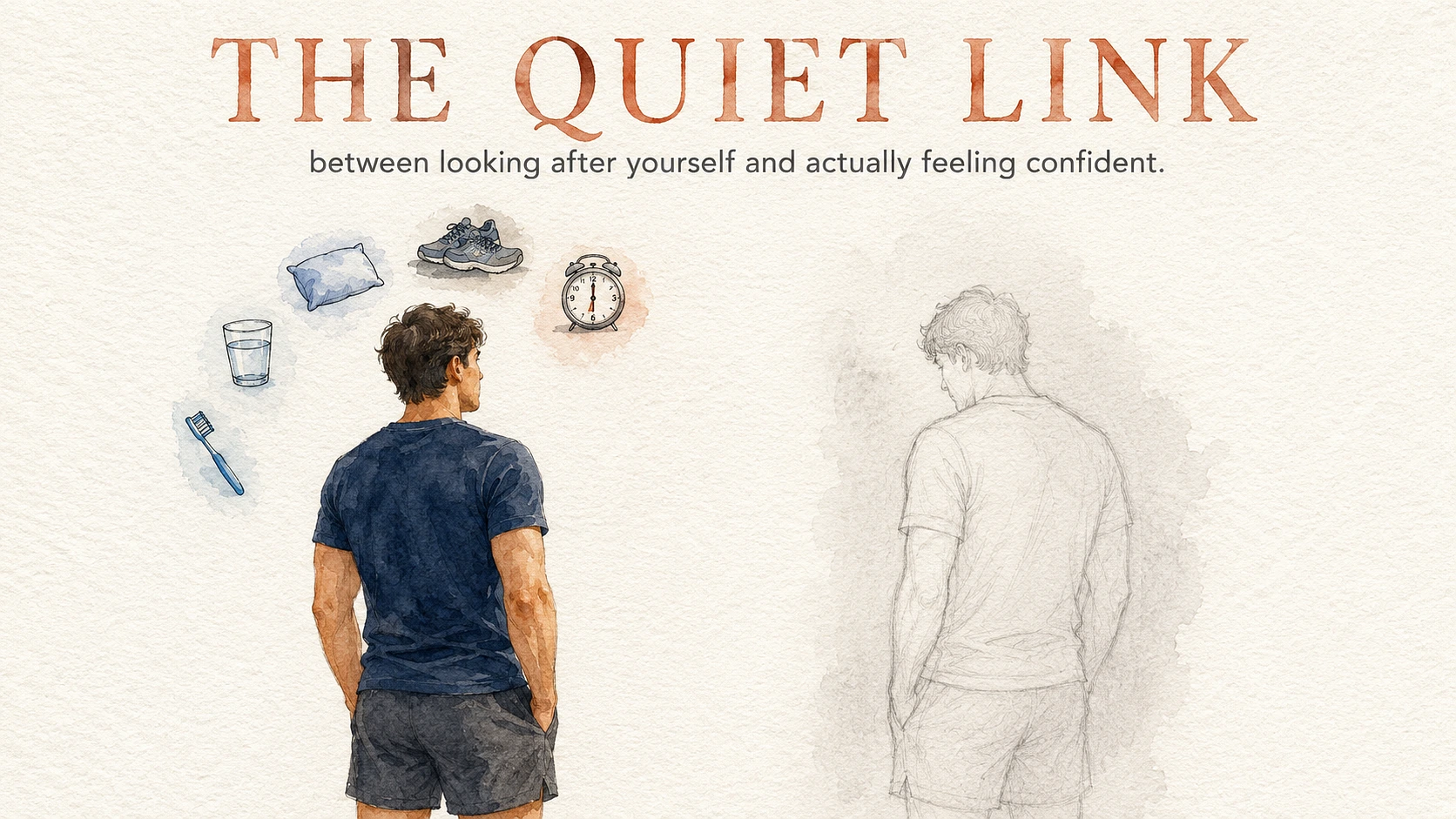
Confidence gets talked about as if it’s floating somewhere in the air. Stay optimistic, have a bit of faith in yourself, project self-assurance and the rest falls into place. There’s something to that, the mindset half is real, but it skips the other half of the equation, which is that how you feel about yourself tends to track pretty closely with how well you’ve actually been taking care of yourself.
It’s something we all know from the inside and never say out loud. The version of you that shows up well-rested isn’t the same person who shows up running on half a night’s sleep. It’s not about willpower. It’s that your body’s in a better state, and the confidence is sitting on top of that state.
Confidence comes after how you feel, not before it
You don’t do things as well when you don’t feel physically good. When you do, you’re more patient, you can focus longer, and you’re the one who speaks up instead of sitting on a thought. None of that needs an attitude change. It’s mostly just your nervous system not being frayed.
Which is worth saying straight, because the self-help framing has it backwards. It tells you to feel good about yourself first and then the good habits follow. In practice it’s usually the reverse. You sleep well, you move a little, you eat something that isn’t beige, and a couple of weeks in you realise you’re carrying yourself a bit differently and you didn’t have to talk yourself into it. The habits came first and the confidence built on them. This isn’t about perfection either, it’s about building up enough small evidence that you can trust yourself to handle the basics.
The first bit nobody connects to confidence is your teeth
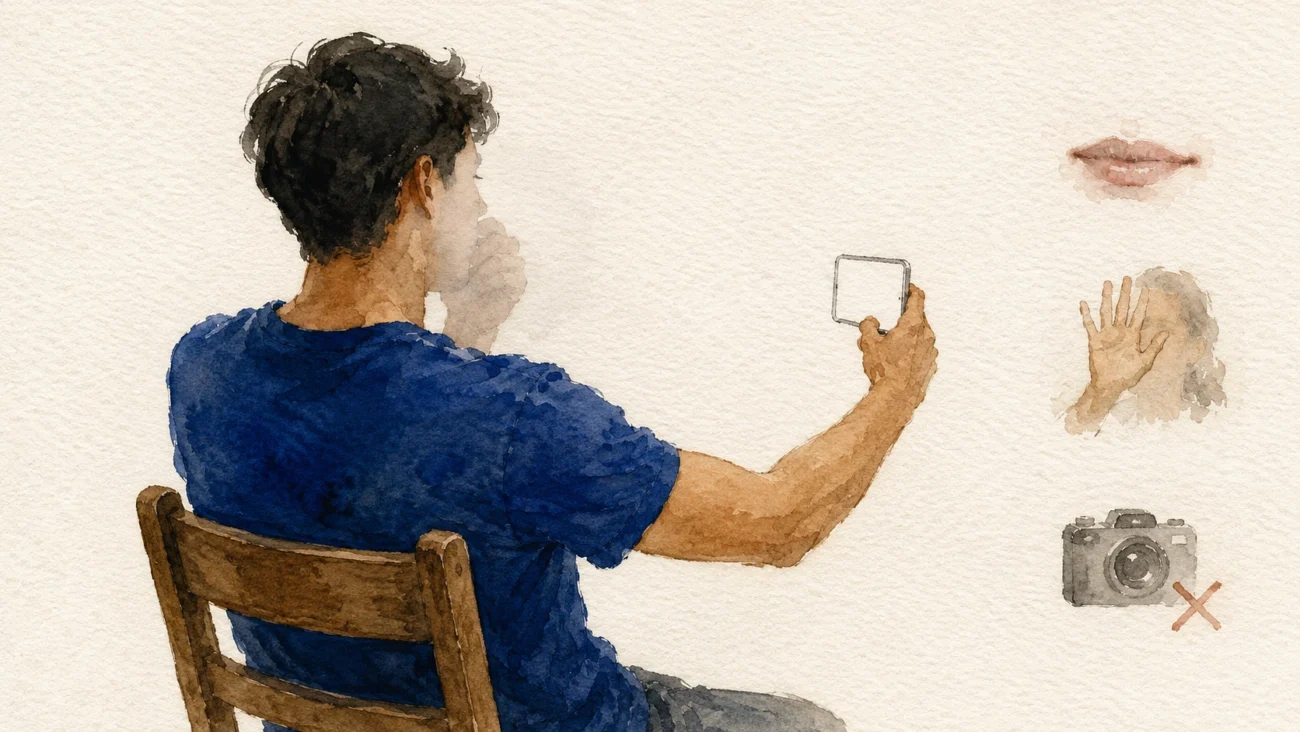
This is the part of the wellness conversation that probably bores you because it gets overlooked, it’s not as glamorous as morning routines and cold plunges. A lot of people who are quietly low on confidence are wearing it on their lips and would never describe themselves that way.
It shows up in subtle physical cues. The hand that comes up over a laugh. The closed-lip smile in every single photo. The person who’s trained themselves not to grin properly in years. When you’re self-conscious about your teeth you don’t just think about it less, you behave differently, and other people read that as you being reserved or standoffish when you weren’t being either. It seeps into your voice, your pictures, the impression you make on a first date, none of which has anything to do with your actual personality.
And it’s rarely vanity. It’s far more often the quiet awareness that you’ve been putting off a visit to the dentist, that there’s a chip or a bit of staining or a tooth that’s been bothering you and you’ve let it slide. That low hum of “I really should sort that”, well, that’s a drain on confidence too, and you stop noticing it because it’s been there so long.
Why ‘just go to the dentist’ isn’t the easy answer it’s cracked up to be
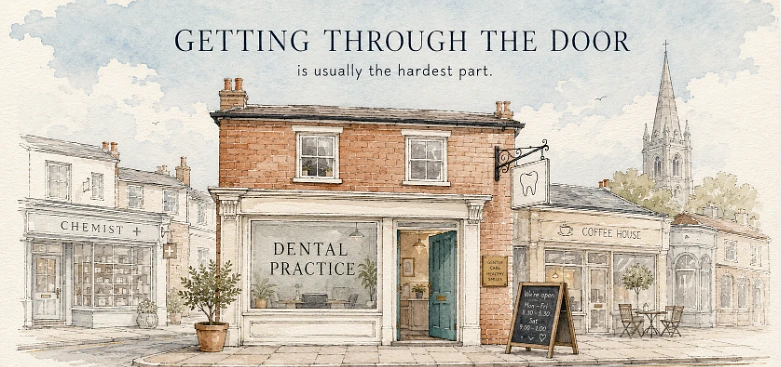
The frustrating thing is the fix is often very simple, and the trouble in Britain now is getting through the door, not the dentistry itself. NHS dental access has been genuinely bad for a while, with plenty of practices refusing to take on any more NHS patients and people in some areas ringing around a long list to find anyone with space. So the breezy “just book a check-up” line runs straight into a wall that a lot of readers already know is there.
That’s the real reason so many people end up looking at private care, and it’s not because they’re chasing a Hollywood smile, it’s that they want to be seen this side of next year. A practice like Direct Dental covers the ordinary range that people actually need, routine examinations and hygiene appointments through to orthodontics and cosmetic work, which is the right order of things because someone who’s been avoiding the dentist needs the boring maintenance first and the cosmetic stuff much later, if at all. The point isn’t really about which practice; it’s about the principle of getting back into a regular check-up rhythm, which does as much for the low-grade anxiety as it does for the teeth.
Preventive care is a message you send yourself
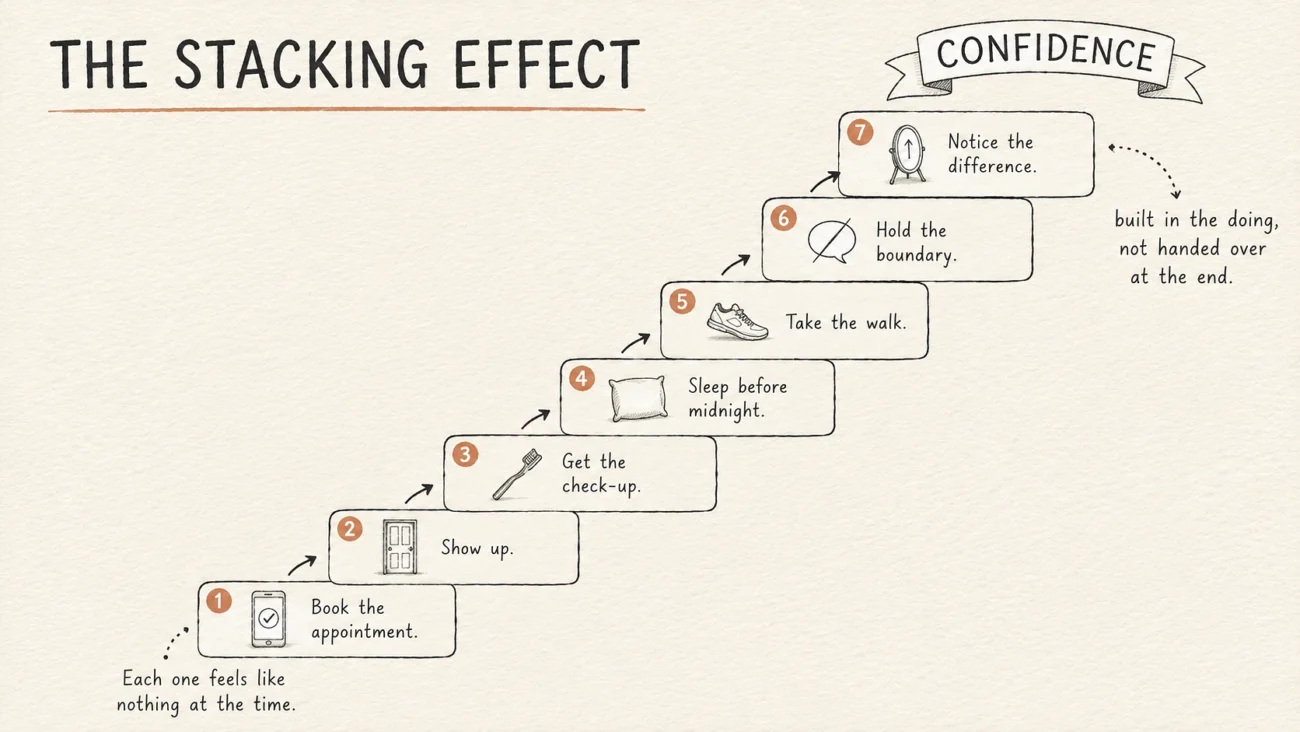
The psychological side of prevention, dental or otherwise, is underrated. Booking the appointment, turning up, dealing with the thing you’ve been avoiding, all of it quietly says you’re worth the effort. That sounds soft until you’ve lived the opposite, the months of putting something off and the background guilt that builds while you do.
Sorting it doesn’t feel dramatic. It’s mostly relief, and a bit of mild annoyance that you didn’t do it sooner. But that relief is the confidence dividend. You’ve put the thing down.
The mental side does the same work, just less visibly
None of this is purely physical. Stress and burnout wear away self-belief in the same slow way an avoided dentist does, making ordinary tasks feel heavier than they should until you forget they were ever easy. The habits that push back are unglamorous, getting out of the house, holding a boundary you’d normally give in on, and actually resting instead of scrolling in that half-alert state. On their own, they look too small to count. The effect is in the stacking, over weeks rather than days.
What the physical and the mental have in common is that both run on consistency rather than intensity. Nobody gets their self-esteem back over one heroic weekend. It comes from a hundred ordinary maintenance decisions that each feels like nothing at the time.
Wellness stopped being a goal, and confidence came with it
The old model treated wellness as a destination. Hit the weight, reach the fitness level, and then you’d feel good about yourself. The trouble was the goalposts shifted every time you got near them, so the feeling never actually arrived.
What’s changed is the understanding that looking after yourself is the thing, not a toll you pay to reach the thing. Confidence works the same way. It doesn’t wait at the end to be handed over as a reward. It builds in the doing, in the unremarkable act of making the appointment, getting the early night, taking the walk. The quietly self-assured people aren’t usually the big achievers. They’re the ones who kept turning up for the small stuff and never made a project out of their confidence.