

Blog
Why Trainer Shopping Stopped Starting With A Model Name
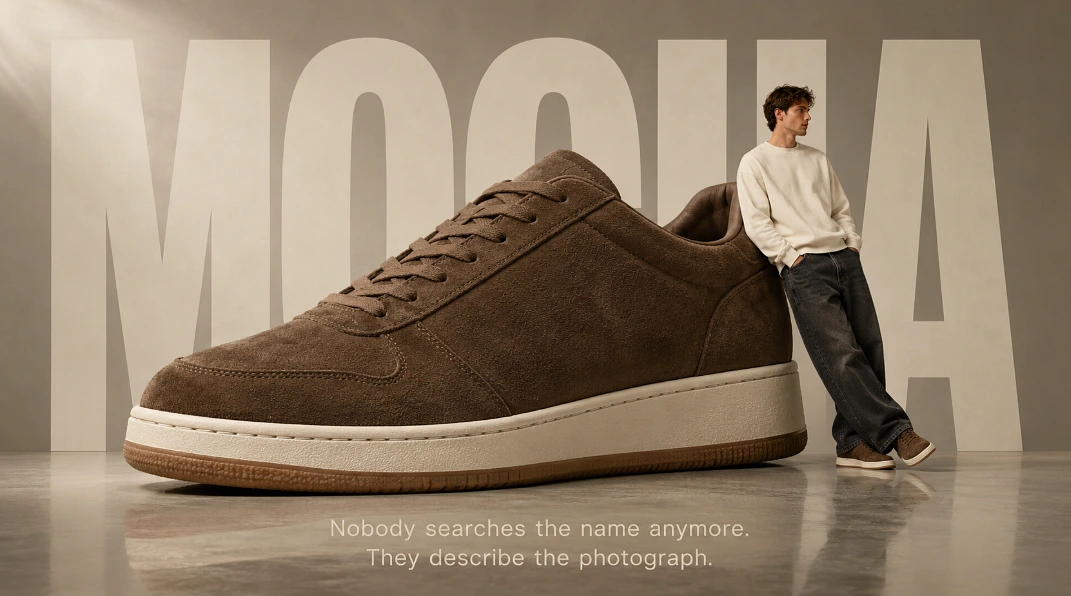
A name is meant to do a job. You say it, something fixed lands in the other person’s head, and neither of you has to describe the thing to get to an agreement about what it is. That works for almost everything until somebody learns to build the object without permission and put the name on it anyway, and at that point the name is still doing its job in conversation but it has quietly stopped doing its job in commerce.
Trainers are where that argument got tested in public, in a courtroom, with lawyers, and the outcome was not what anybody expected.
For Twenty Years The Model Name Did All The Work
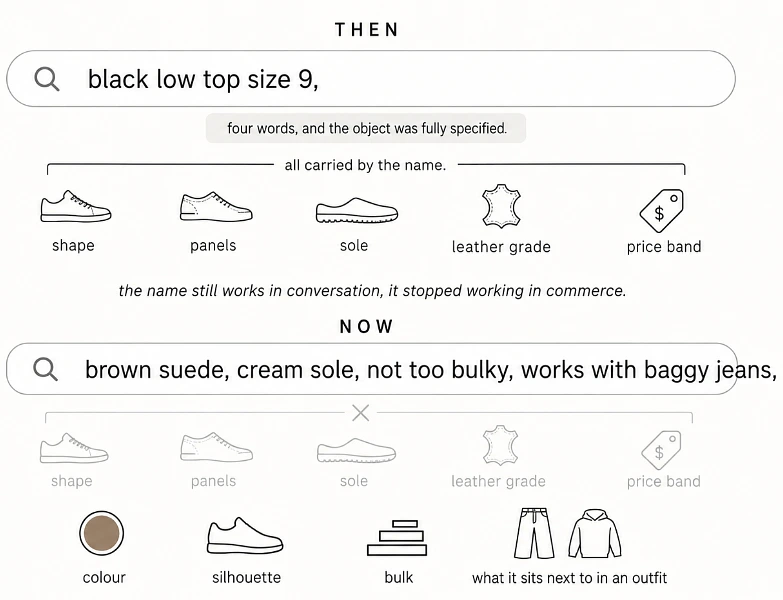
Sneaker shopping used to start with a name and finish shortly after. You wanted a Jordan 4, or a Samba, or a Dunk Low, or a plain white Air Force 1. You searched it, you found the colourway you had in mind, you picked your size, and you took a punt on whether the seller’s photographs were honest.
The name carried everything. It told you the shape, the panel layout, the sole, the quality of the leather, the price band, and roughly what people would think when they saw it on your feet. Six words of typing and you had all of that.
None of that has gone away exactly. People still remember old releases and collabs and which silhouettes came from where. But the first search is messier now, and a lot of the time it isn’t a name at all, it’s a description of something half remembered from a photograph. Cream sole trainers with black jeans. Brown suede, nothing too bulky. Olive, but not the sporty kind.
That shift gets written about a fair bit and it usually gets explained as taste, as though shoppers simply became more visual. I think that’s the wrong way round. People started shopping by description because the names stopped guaranteeing anything, and there is a court filing that documents the exact moment that became impossible to ignore.
Nike Took StockX To Court And Ended Up Arguing Against Its Own Interests
Nike sued StockX in February 2022. It began as a dispute over NFTs, which sounds like a footnote now, and then in May Nike widened it considerably by adding counterfeiting claims after buying four pairs of fake shoes on the platform, all of which arrived carrying StockX’s “100% Authentic” guarantee.
The case ran for three and a half years, and the filings are where it stops being a trademark squabble and starts being interesting.
A collector called Roy Kim received 38 pairs of fake Nikes from StockX between March and July of 2022. Over the course of the litigation Nike said it had identified at least 77 counterfeit pairs on the platform. One fraud ring moved more than 1,800 products through before anybody stopped it. And the fakes were not obscure oddities that nobody would think to check, they included the Ben and Jerry’s Chunky Dunky SB Dunk, the Grateful Dead Dunks, and the Off-White Air Jordan 2, which are precisely the shoes an authenticator would look hardest at.
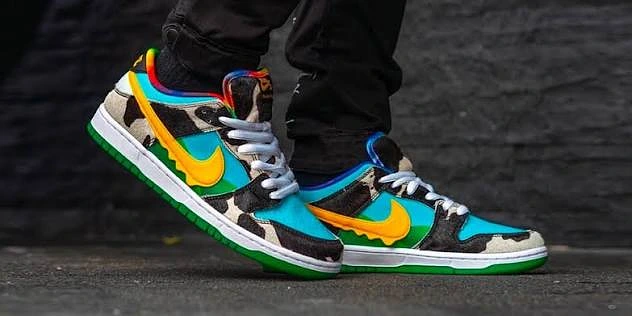
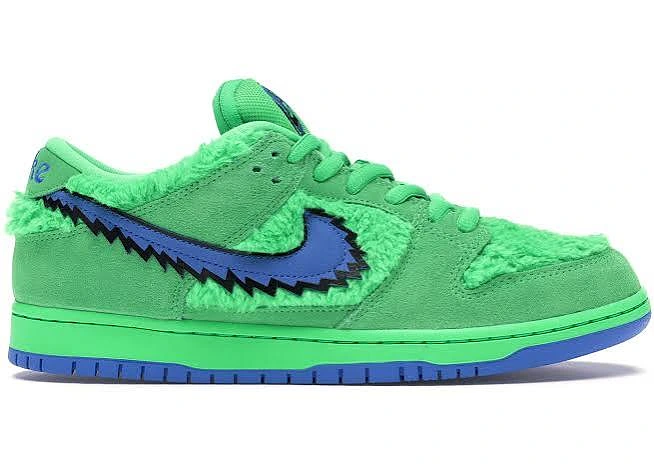
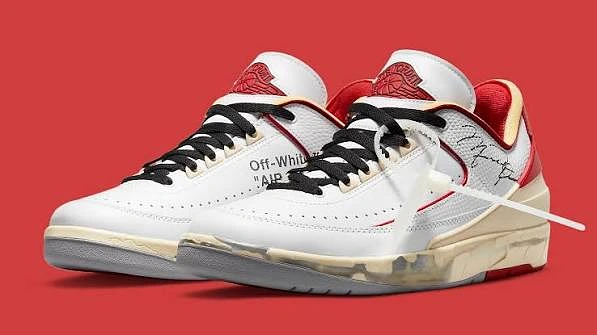
And then one line in Nike’s filings does more damage than all the rest of it put together, which is where Nike stated that StockX had admitted its authenticators could not determine whether a product was authentic.
Roy Kim put it more usefully on the Complex Sneakers Podcast, describing the pairs that kept slipping through. “We’re talking about the SKUs that matter, that have very, very, very accurate reps and the failure rate, at that point in time, was really high. 50% plus of those SKUs failing in that time period, it really wasn’t anything human-error related. To me, that’s a systemic issue.”
StockX, to be fair to them, landed a decent counterpunch by pointing out that hundreds of Nike employees including senior executives buy and sell on the platform themselves.
The whole thing settled quietly at the end of August 2025, dismissed with prejudice, jury trial cancelled a month before it was due to start.
My honest read on it isn’t flattering to either side. Nike got its result, but to fight the case it had to stand up in a federal court and argue at length that professional sneaker authentication does not reliably work. That argument is now on the record. It did more to legitimise buying trainers on visual detail rather than on paperwork than any seller in Putian has ever managed, and Nike made it themselves, out loud, because there was no other way to win.
What The Grades Actually Mean, Because Most People Use The Words Wrong
Putian, in Fujian province, has been making footwear for the big brands for decades. That is not a scandal, that is just where a lot of the world’s shoes come from. What grew alongside it is a parallel industry that makes the same silhouettes without the licence, and it developed its own vocabulary for quality because it needed one.
AAA is the lower grade. It reads convincingly from a few feet away and it falls apart on inspection, because the shortcuts are in the materials and the finishing and you find them the moment you pick the shoe up in daylight.
1:1 shoes sit at the other end. The term means the construction, the materials and the detailing have been matched closely enough that a side by side comparison is the only test with any chance of settling it. Batch names travel with them, PK God and LJR and a dozen others, and people search those names the way they used to search colourways.
Whatever you think about any of that, the terminology tells you something about how buying works now. Shoppers are searching by grade because a grade describes the object and a brand name has stopped describing anything reliable.
What People Type Into The Search Bar Instead
The practical result is that trainer search now reads like somebody describing a photograph to a friend.
The colour words do a lot of the lifting. Mocha, sail, bone, pine green, cream, washed black. Those aren’t just labels, they tell a shopper where the shoe will sit in an outfit, because a cream midsole softens things and a gum sole warms them up and a black upper makes the whole pair easier to wear without thinking about it.
Then the shape words. Not too bulky. Slim retro runner. Chunky but not sporty. High top, low top, how the toe box sits, whether the tongue rides high.
And underneath most of it there’s one practical question that shapes the whole search, which is whether the thing will actually work with clothes the person already owns. A high top looks right under stacked denim and clumsy under cropped trousers. A chunky pair grounds a wide jacket and looks daft with shorts. That is why the searches carry outfit language in them, baggy jeans and cargos and oversized tees, because the shoe is not being bought as an object on its own, it’s being bought as the last piece that decides whether the proportions hold together.
It also explains why the boring colourways outlast the exciting ones in most people’s rotations. Black, cream, grey, brown, navy, olive. Nobody puts those on a wishlist with much enthusiasm and everybody wears them constantly.
What This Asks Of Shops, And Of You
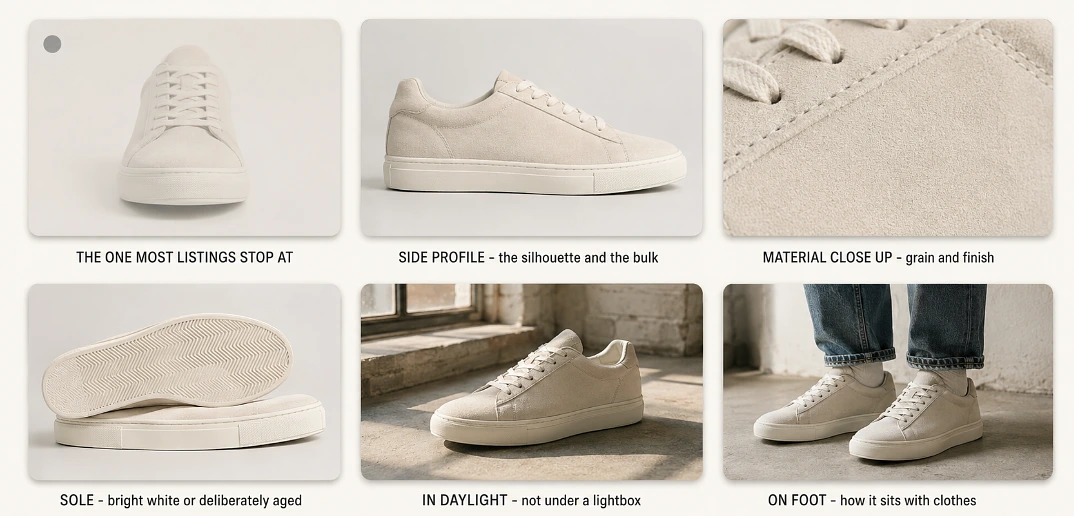
For anybody selling online this is a bigger problem than it looks, because the product title has stopped being able to carry the sale on its own. A single front-facing photograph tells a shopper almost nothing they now want to know. They want the side profile, the material close up, an honest read on whether the sole is bright white or has been aged deliberately, and some sense of how the thing behaves in daylight rather than under a lightbox.
And for anybody buying, the change is simpler and slightly grim. You have to look at the shoe. Not the label on it, not the platform’s badge, not the guarantee in the listing, the actual shoe, in the actual photographs, in as many angles as you can get out of the seller.
That used to be the paranoid approach. It’s just the normal one now.