

Blog
Two Best Essential Oils for Skin, Compared, and How Much to Dilute Each One
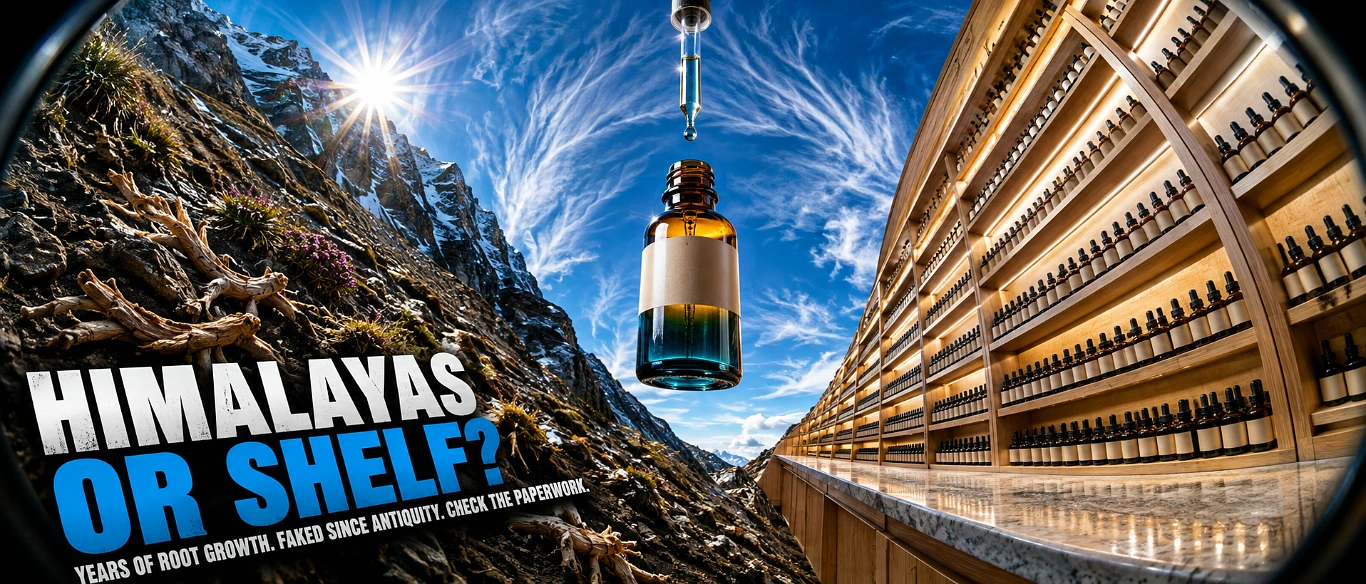
Before any names, the numbers, because dilution is the whole game with these:
Face: 0.5 to 1%, which is 1 to 2 drops in 10ml of carrier | Body: 2 to 3%, roughly 12 to 18 drops per 30ml by the National Association for Holistic Aromatherapy’s counting | The 10% some retailer pages print, 60 drops in 30ml: ignore it, whoever is printing it.
Now the two winners. Out of everything the beauty world keeps recommending, two oils earn a place on actual skin for two completely different reasons. Lavender, because it is the most forgiving thing in the entire category and the right first bottle for anyone. And nard oil, also sold as spikenard or jatamansi, because it is the interesting one, the expensive one, and the one with three thousand years of receipts behind it.
Lavender Is the Right First Essential Oil for Skin
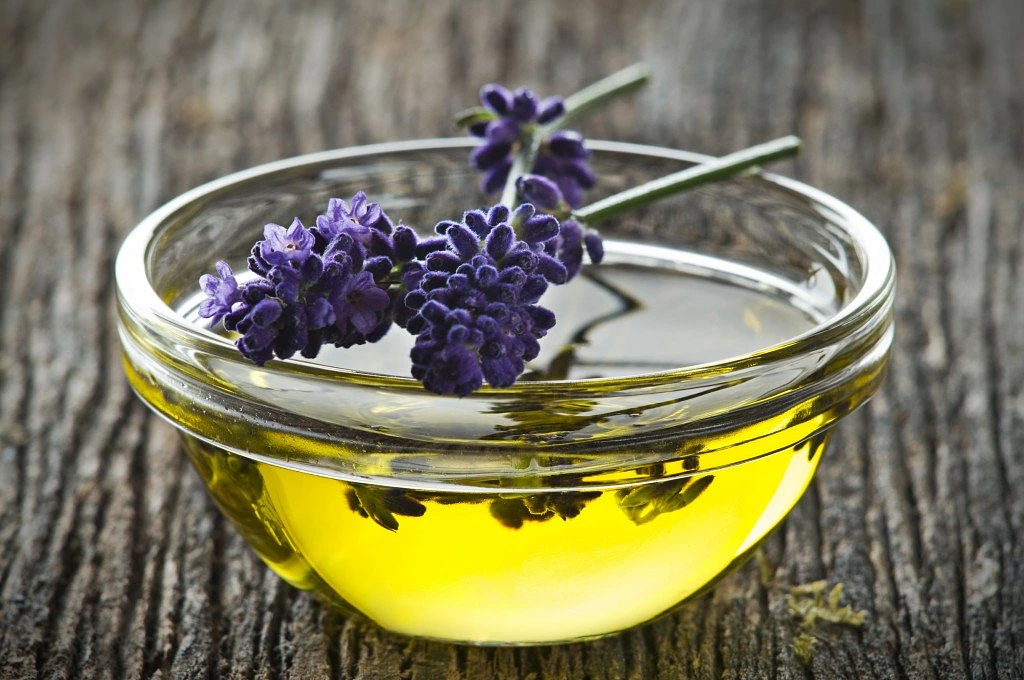
So with regard to why lavender wins the beginner slot, it is simple: it forgives mistakes. Good on minor irritation, pleasant enough to wear as a scent on its own, tolerated by most skin at low dilution, and cheap enough that a wasted bottle costs a coffee’s worth of regret.
Could a stronger oil do more for a specific problem?
Sometimes, yes. But plenty of oils that smell friendlier than lavender will punish an overdose far harder, and a beginner’s first job is learning their own skin without paying for the lesson.
How Much to Dilute Lavender
- Face: 0.5 to 1%, so 1 to 2 drops into 10ml of jojoba or rosehip. And yes I counted the drops out against the NAHA table twice, because the internet disagrees with itself constantly on this.
- Body: 2 to 3% at most.
Even with an oil this gentle, patch test first. Mix it at the dilution you actually plan to wear, put a small amount on the inside of the forearm, cover it, leave it 24 hours. Testing it neat tells you nothing useful about a 1% blend.
Nard Oil Comes From Himalayan Roots and Takes Years to Make
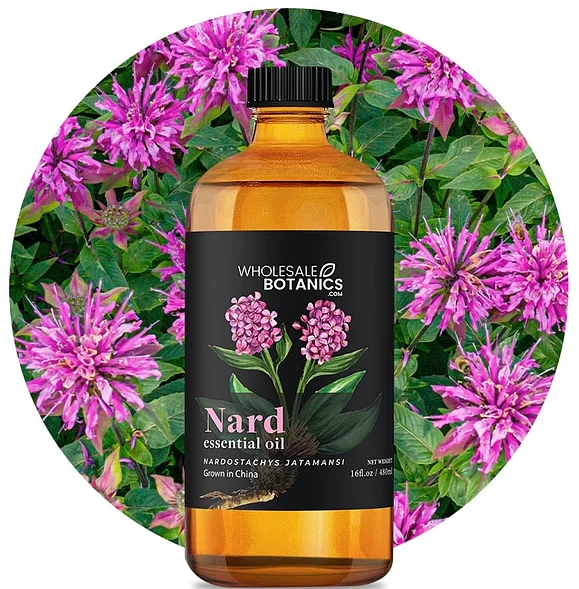
Nard is the odd one out in all of aromatherapy and the one worth spending longer on. It comes from Nardostachys jatamansi, a flowering plant in the honeysuckle family growing wild through the Himalayas across Nepal, China and northern India. The oil is steam distilled from the roots, and the roots take years to grow large enough to harvest.
That root patience is most of the reason the price sits where it does.
Fresh Nard Oil Is Blue, Aged Nard Oil Is Amber
There is a detail about fresh Nard oil that I have not seen a single retailer mention. Straight out of distillation the oil runs blue to blue green, then slowly turns golden amber as it ages. So if your bottle arrived amber, nothing is wrong, it simply is not new.
Chemically it runs roughly 50% sesquiterpenes, 10 to 15% sesquiterpenols and around 5% aldehydes, a profile close enough to vetiver that the two smell related, deep and earthy and woody, though nard is less smoky, and some noses catch an animalic note underneath.
Nard in the Bible Cost a Year’s Wages
- One receipt, and it is two thousand years old. The Gospel of John records a woman anointing with a jar of pure nard valued at 300 denarii, roughly a year’s wages for a labourer, and the room complained about the extravagance on the spot. The oil that provoked that argument is the same species being distilled in Nepal today, which means even the price complaint is two thousand years old.
How to Use Nard Oil on Skin, and How Much to Dilute It
Ayurvedic practice has reached for jatamansi across centuries of applications including skin ones, and modern reviews of the plant note antioxidant, antibacterial and antifungal activity among its documented properties. In practice it suits mature and dry complexions, blended into a facial oil with rosehip or jojoba.
The face number does not move for the price tag: 0.5 to 1%. Some suppliers print 2 to 3%, and that is a body dilution being sold as a facial one.
How to Spot Fake Nard Oil
Sourcing matters more with nard than with anything else on this page, because fake nard is a genuinely ancient trade. The name has been hung on oils from the valerian genus and on Spanish lavender for centuries, both far cheaper plants, both used to stretch or replace the real thing since antiquity.
Three checks before buying:
- The full botanical name Nardostachys jatamansi on the bottle, not just the word spikenard.
- A GC/MS report from the supplier.
- The price itself. A £9 bottle of something that needs years of Himalayan root growth is telling you exactly what is inside it.
Tea Tree, Frankincense and Rosemary: Why They Missed the Top Two
Tea tree came closest, and it has the most famous fan of any oil here. Back in a 2014 Allure interview, Meghan Markle called a small container of tea tree oil her travel essential, her “little cure-all” for cuts, bites and small breakouts, and the beauty press has been resurfacing that quote ever since she joined the royal family. She is not wrong about blemishes either.
What kept it out of the top two?
Shelf life. Oxidised tea tree oil is a well documented cause of contact dermatitis, since it degrades on air and light and the degraded version is the irritating one. So:
- Buy small bottles and keep the lid on tight.
- Store it dark and cool.
- Bin it after a year. A bottle open since 2023 is doing your skin no favours.
Frankincense turns up in every anti-ageing list and the wrinkle evidence behind it is thin. It smells wonderful and sits comfortably on most skin, so use it because you like it in a blend, and if someone sells it to you as a retinol substitute, that is marketing talking.
Rosemary belongs on your scalp rather than your face. The clogged-pore claims are weak, but several trials have compared rosemary oil favourably against minoxidil for androgenetic alopecia, which is a far stronger result than anything on the pore front. Scalp oil, not face oil.
Citrus Oils Can Burn Skin in Sunlight
Citrus oils get recommended for skin constantly, and the warning rarely travels with them. Cold pressed bergamot, lemon, lime and bitter orange contain furocoumarins that react with UV light, and applying them before going outside can produce a genuine chemical burn hours later.
Steam distilled versions of the same fruits are fine, so the label matters more than the fruit. Neither lavender nor nard is phototoxic, which is part of why they won.
Storage for everything above is one sentence: dark glass, tight lid, cool cupboard, away from the window, because heat and light are what turn a useful oil into an irritating one.
Which to Buy First
Lavender first, in a small bottle, with a decent carrier like jojoba, since the whole outlay is small enough that a mistake barely costs anything. Nard is the one to graduate to once you know your skin tolerates oils and you are willing to pay for something properly sourced, and anyone calling it a starter purchase is selling rather than advising.