

Blog
Creating Accessible and Practical Home Spaces

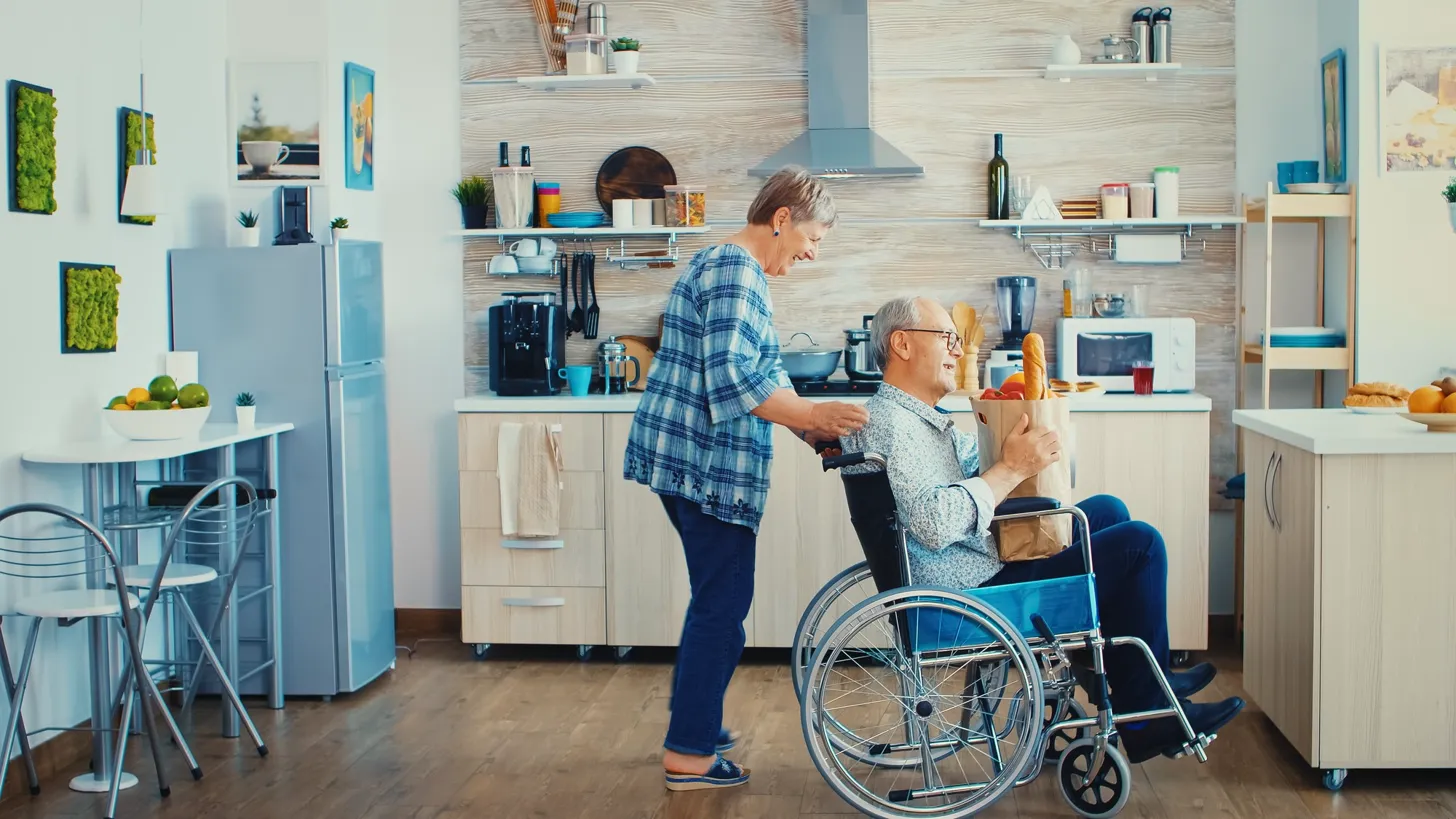
Your home should be a place that works for you, not the other way around. Prioritising accessibility doesn’t mean sacrificing style or comfort. Small, intentional changes can create a space that suits your needs and supports your daily life. Whether you’re updating your current design or planning a new layout, accessibility can simplify routines and reduce unnecessary frustrations. Thoughtful design ensures that your home adapts to your life, making each day easier.
Key Areas to Focus on for Accessibility
Start by evaluating the most important areas where you move around often. Wider doorways, for example, improve accessibility, especially if you use mobility aids. The same goes for rearranging furniture to ensure there’s enough space to navigate easily. Bathrooms are another key area – low sinks and grab bars add convenience and safety. When adding these adjustments, don’t forget about light switches and power outlets. Placing them at a height that’s easy to reach makes your home more accessible.
Storage Solutions That Support Accessibility
Opt for shelving that can be adjusted to suit your needs, making it easier to store and access items. Sliding wardrobes are an excellent option, especially in tighter spaces. They eliminate the need for space to open a door, making them easier to use in small bedrooms or hallways. You can also integrate multifunctional furniture that doubles as storage, like ottomans with hidden compartments. These solutions help you keep your home tidy and accessible without adding clutter.
Maintaining Accessibility Over Time
Regularly reassess your home to make sure it still works for you. If mobility becomes more challenging, consider adding ramps at entrances or swapping bulky furniture for more manageable pieces. Think about durable, low-maintenance materials that can stand the test of time. These small changes can help maintain the functionality of your home and prevent future obstacles. Another key aspect is ensuring that entry points remain accessible. If mobility becomes more challenging, adding ramps at entrances or even upgrading to automatic door openers can eliminate barriers.
Creating a Home That Grows with You
Accessibility isn’t just a feature to add; it’s a mindset to incorporate into your living space. By thinking ahead and making thoughtful adjustments, you build a home that’s not only convenient today but will continue to serve you as your needs change. In the end, your home should be a place that adapts seamlessly to your life, ensuring that you’re always at ease in your surroundings.