

Blog
The small things people forget when moving into a new home

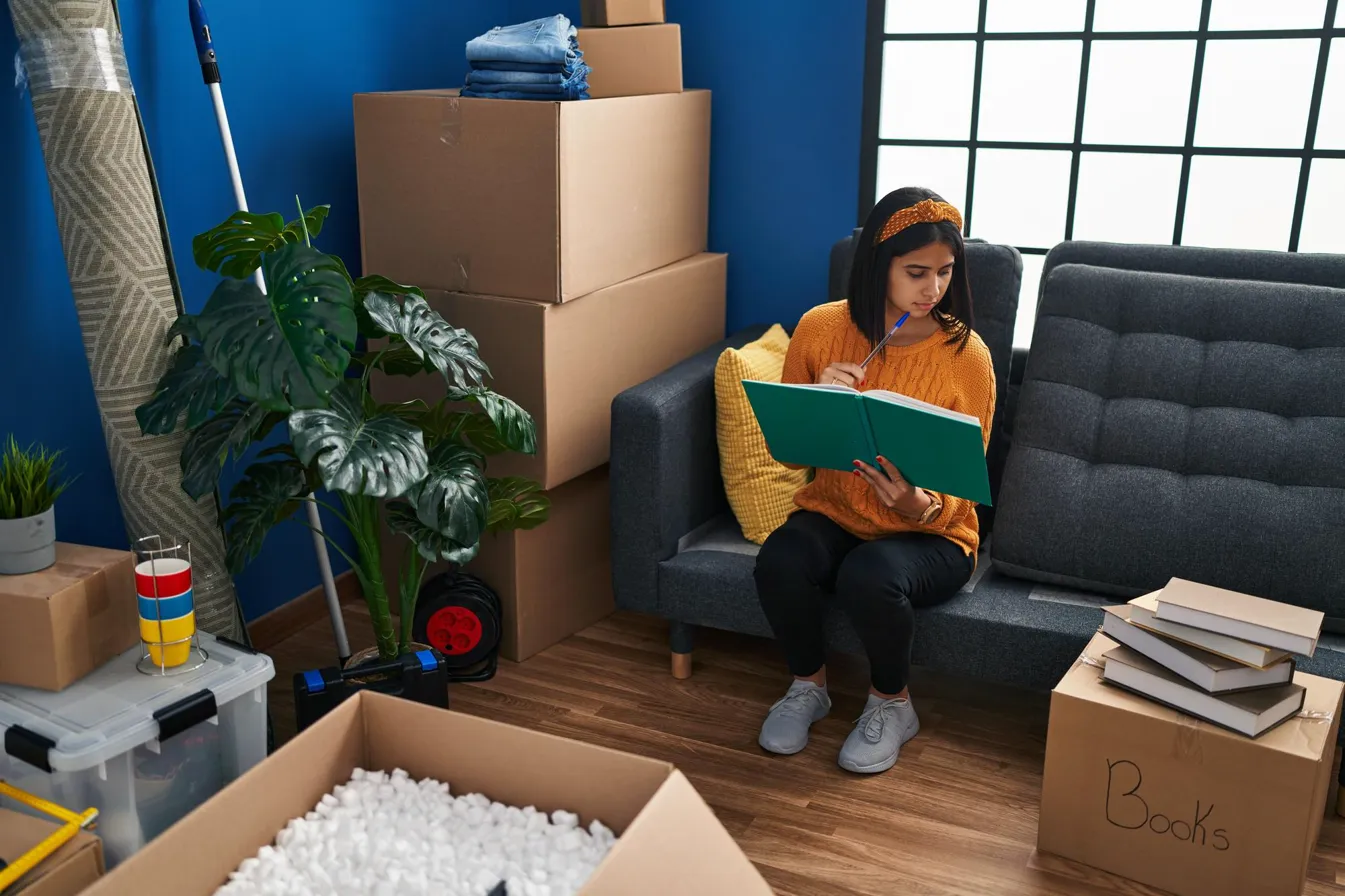
Moving into a new home takes over your life for weeks. Between removal vans, utility switchovers, and unpacking, the bigger tasks demand so much attention that smaller but genuinely useful details tend to slip through the cracks. It is often only once the dust settles that you realise what you overlooked.
1. The things you only notice after the move
During viewings, most people are focused on room sizes, natural light, and whether the kitchen will fit their table. Practical details about the property’s day-to-day functionality rarely get the same scrutiny. According to Zoopla’s moving home guide, there are several steps buyers consistently delay until after moving in, from checking meter locations to assessing storage solutions, simply because they did not seem pressing at the time. Once you are actually living somewhere, those gaps become far more apparent.
2. The little details you don’t think about at first
After the initial unpacking frenzy, everyday routines start to reveal what the property is really like to live in. Outdoor lighting, bin storage, and kerb access are the kinds of features that rarely come up in conversations with estate agents but shape how comfortable a home feels within the first fortnight. For households with a car, features like extra storage or electric garage doors fall into the same category: hardly front of mind during a viewing, yet surprisingly missed once you are wrestling with a manual door in the rain on a dark evening. Security, convenience and daily ease all quietly depend on features that only reveal their value once you are settled.
3. Practical tips for a smoother move-in
Getting utilities set up and your address updated promptly prevents a backlog of admin that becomes harder to resolve the longer it sits. According to Please Connect Me’s 2024 moving checklist, notifying your bank, GP, employer, and subscription services early is one of the most commonly forgotten steps and one of the most disruptive to leave until later. Tackling one room at a time instead of spreading unpacking across the whole house also makes the process feel far more manageable, and keeping a small kit of basic tools to hand means minor fixes do not sit on a list for weeks.
The small details may not carry the same weight as exchanging contracts or choosing a sofa, but they are often what determines how quickly a new house starts to feel like home.