

Blog
What Really Influences the Price of a Smile Makeover?

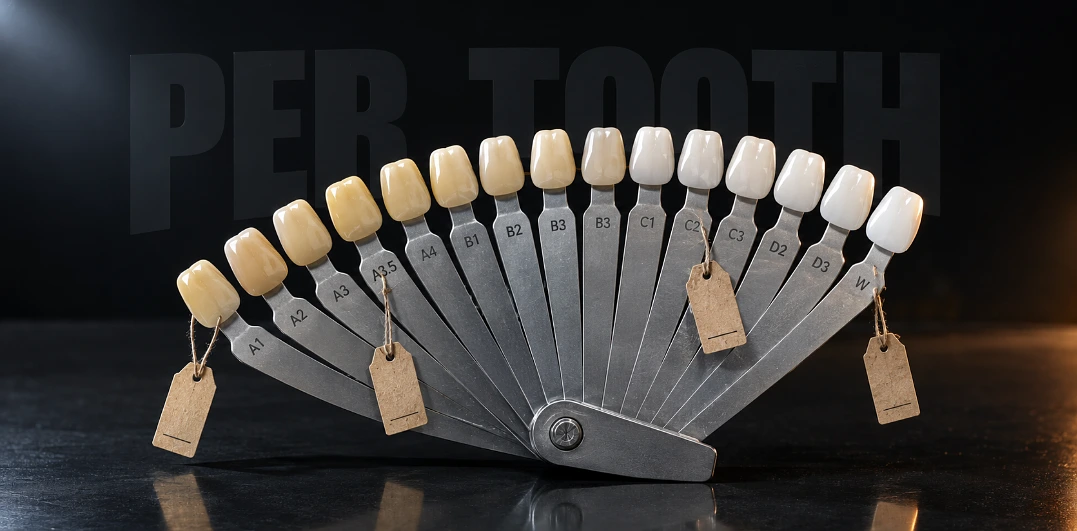
A smile makeover can mean very different things from one person to another. For some, it might involve correcting a small chip or closing a noticeable gap. For others, it could mean changing the colour, shape and overall appearance of several teeth. Unsurprisingly, this means there is no single price that applies to every smile makeover.
Understanding what influences the final cost can make it easier to consider your options and decide which treatments are worth exploring.
The Treatments You Choose
One of the biggest factors is the type of cosmetic dental treatment involved. Teeth whitening, composite bonding, veneers and orthodontic treatments all involve different materials, techniques and amounts of clinical time.
A relatively straightforward makeover may only require whitening and minor reshaping, while a more extensive transformation could involve work on several teeth. Someone researching “how much is composite bonding?”, for example, should consider not only the treatment itself but also how many teeth may need to be treated to achieve the desired result.
The Number of Teeth Being Treated
Treating one or two teeth is naturally different from changing the appearance of most of the visible teeth in a smile. The number of teeth involved can have a considerable impact on the overall cost. However, more treatment is not always necessary. A cosmetic dentist may find that concentrating on a few prominent teeth creates the improvement a patient wants without treating every tooth.
The Condition of Your Teeth
Cosmetic dentistry is not always the first step. Existing dental problems may need to be addressed before a makeover can begin. Issues such as tooth decay, gum problems or damaged teeth could require treatment beforehand. This can increase the overall investment, but establishing good oral health provides a stronger foundation for cosmetic work.
The Materials Used
Materials can also influence the price. Veneers, crowns and other restorations may be available in different materials, each with its own characteristics, appearance and expected longevity. The most appropriate choice will depend on factors such as the position of the tooth, the desired finish and the amount of pressure the restoration will experience. Choosing purely according to price may not produce the most suitable long-term result.
The Complexity of the Smile Makeover
Two people requesting similar improvements can require very different approaches. Bite alignment, tooth position, gaps, discoloration and previous dental work can all affect the complexity of treatment. More complicated cases may require additional appointments, detailed planning or a combination of treatments. This extra clinical time can be reflected in the final cost.
The Dentist’s Experience and Location
The experience of the dental professional and the location of the practice can also influence fees. Practices in major cities or areas with higher operating costs may charge differently from those elsewhere. Experience can be particularly important with cosmetic work, where small differences in tooth shape, symmetry and shade can affect the finished appearance.
Looking Beyond the Initial Price
When considering a smile makeover, the cheapest option is not necessarily the best value. Longevity, maintenance requirements, oral health and the quality of the final result should all be considered alongside the initial cost.
A detailed consultation can provide a clearer picture of which treatments are appropriate, how much work is actually required and what the complete makeover is likely to cost. With a personalised treatment plan, patients can make decisions based on their individual smile rather than relying on a generic price.